
Skincare
What Are Foot Exfoliating Masks and Their Benefits?

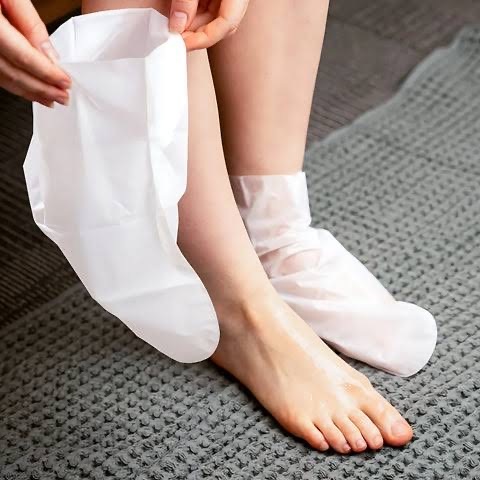
Foot exfoliating masks are an innovative solution for achieving smooth, soft feet without the effort of scrubbing. These masks are designed to deeply exfoliate and remove layers of dead skin over a period of days, leaving your feet feeling refreshed and rejuvenated.
What Is a Foot Exfoliating Mask?
Foot exfoliating masks typically come in the form of bootie-like pouches filled with a blend of exfoliating and moisturizing ingredients, such as alpha hydroxy acids (AHAs) like glycolic acid or lactic acid, and nourishing elements like aloe vera and vitamin E. When worn for a set amount of time, the mask initiates a peeling process that sloughs off dead skin over the next week or so.
Benefits of Foot Exfoliating Masks:
1.Deep Exfoliation: These masks penetrate deeply to remove built-up layers of dead skin, revealing smoother and healthier-looking feet.
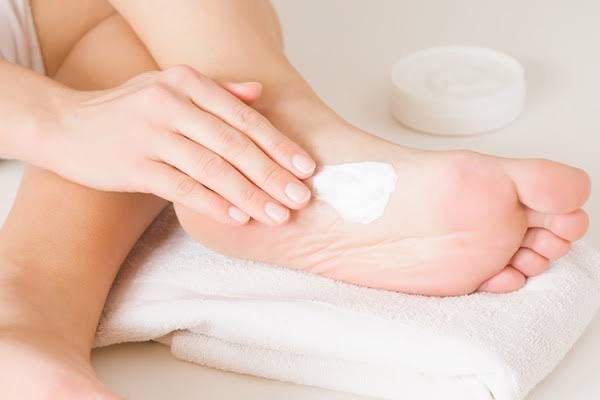
2.Convenience: Unlike manual exfoliation, foot masks are easy to use and require minimal effort. Simply slip them on and let them work while you relax.
3.Softens Rough Patches: Foot masks help soften tough, calloused areas that are difficult to manage with regular scrubbing alone.
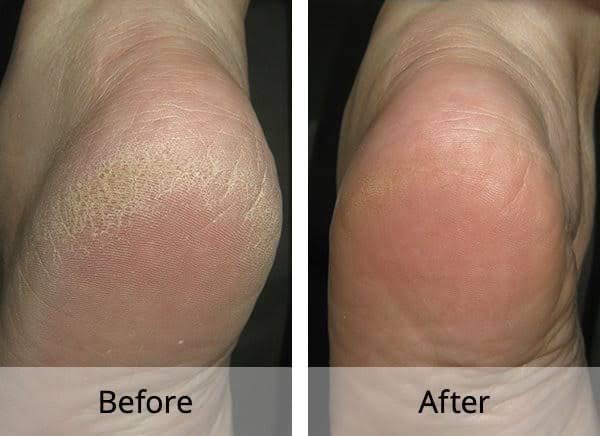
4.Prevents Cracking: Regular use of exfoliating masks helps prevent dry, cracked heels and keeps feet hydrated.
5.Promotes Renewal: By accelerating the shedding of dead skin, foot masks encourage the growth of new, healthier skin cells.
How to Use a Foot Exfoliating Mask:
1.Start with Clean Feet: Wash and dry your feet thoroughly before using the mask.
2.Wear the Mask: Put on the foot mask booties and secure them according to the instructions. Leave them on for the recommended duration, usually 60-90 minutes.
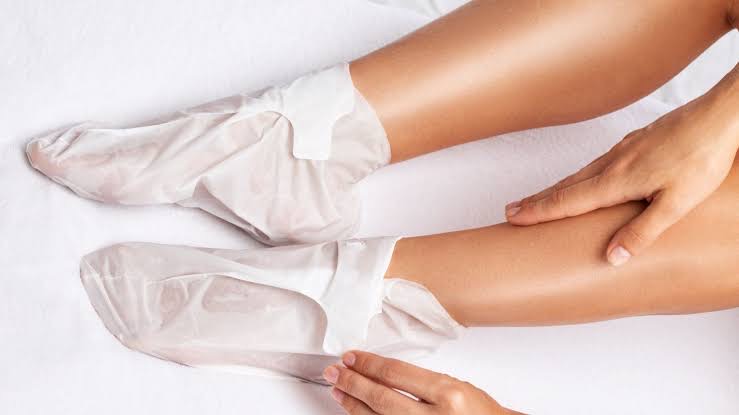
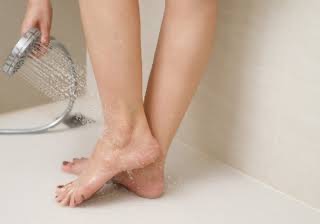
3.Remove and Rinse: After the allotted time, remove the masks and rinse your feet with warm water.
4.Wait for Results: Over the next 3-7 days, the dead skin will start to peel off naturally. Avoid manually peeling the skin to prevent injury.
Tips for Best Results:
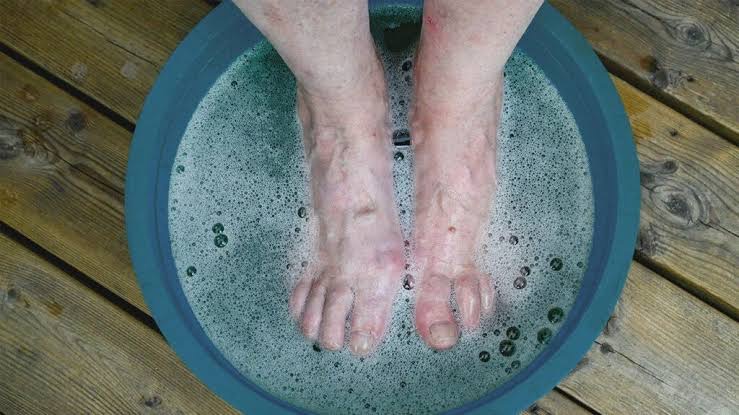
– Soak Your Feet: Soaking your feet in warm water daily after using the mask can help accelerate the peeling process.
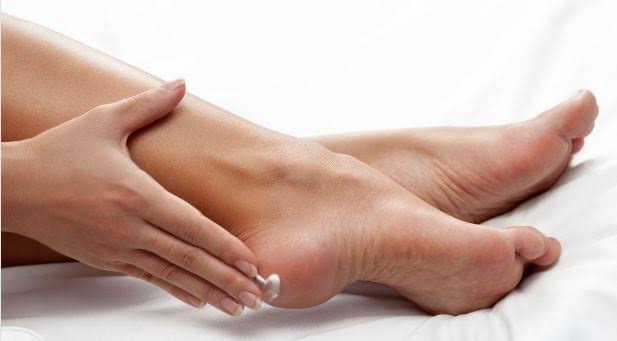
– Moisturize Gently: Apply a light moisturizer to keep your feet hydrated without interfering with the exfoliation process.
– Avoid Immediate Exposure: During the peeling phase, avoid wearing open-toed shoes to prevent debris and dirt from getting onto peeling skin.

Conclusion
Foot exfoliating masks are an excellent addition to your foot care routine, providing a hassle-free way to maintain soft, smooth, and healthy feet.

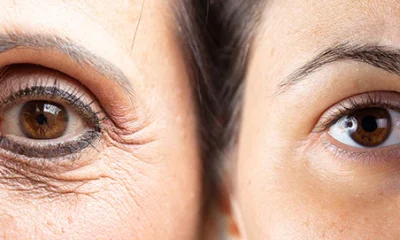








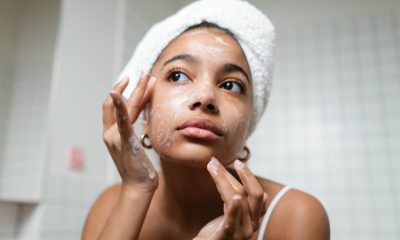




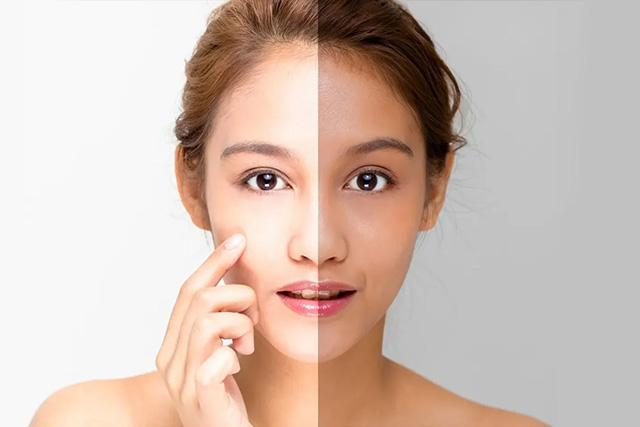
Skin lightening and natural methods. Many people want to have a more radiant, brighter complexion, but skin lightening must be done carefully and cautiously. Natural solutions provide a gentler and safer way to get radiant skin, even if there are many products on the market that promise rapid results. We’ll look at five natural skin-lightening techniques in this article that make use of natural chemicals.
SKIN LIGHTENING AND NATURAL METHODS
These easy yet powerful cures, which include papaya, yogurt, turmeric, aloe vera, and lemon juice, can help reduce dark spots, balance out skin tone, and encourage a healthy glow. These natural remedies provide a comprehensive approach to skincare that nourishes and nurtures the skin, regardless of whether you’re battling with hyperpigmentation, acne scars, or just want to improve your complexion. Let’s explore the wonders of nature’s abundance for radiant skin.
This Natural lightening agents include:
1. Lemon Juice:

SKIN LIGHTENING AND NATURAL METHODS
Lemon juice contains citric acid, which acts as a natural bleaching agent. Applying freshly squeezed lemon juice to the skin can help lighten dark spots, freckles, and blemishes over time. However, lemon juice can be drying, so it’s essential to dilute it with water or mix it with honey or aloe vera gel before application.
2. Yogurt:
Yogurt contains lactic acid, which gently exfoliates the skin and promotes cell turnover, leading to a brighter complexion. Applying plain yogurt to the skin as a mask can help lighten dark spots and even out skin tone. Leave it on for 15-20 minutes before rinsing off with lukewarm water.
3. Turmeric:

SKIN LIGHTENING AND NATURAL METHODS
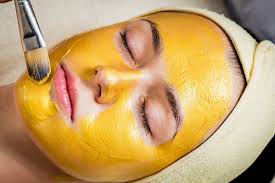
Turmeric has long been used in traditional medicine for its anti-inflammatory and brightening properties. Mixing turmeric powder with honey or milk to create a paste and applying it to the skin can help reduce hyperpigmentation and improve overall skin radiance. Be cautious as turmeric can temporarily stain the skin yellow.
4. Aloe Vera:
Aloe vera gel is known for its soothing and healing properties, making it an excellent natural remedy for lightening dark spots and scars. Apply fresh aloe vera gel directly to the skin and leave it on for 15-20 minutes before rinsing off. Regular use can help improve skin texture and tone.
5. Papaya:

Papaya contains enzymes like papain, which help exfoliate the skin and promote cell renewal. Mash ripe papaya into a paste and apply it to the skin as a mask. The natural enzymes in papaya can help lighten dark spots, improve skin texture, and give the complexion a healthy glow. Rinse off after 15-20 minutes.
Summary
It’s crucial to remember that persistence is essential and that natural therapies may take some time to show results. Before using any new ingredient on your skin, it’s crucial to do a patch test, particularly if you have allergies or sensitive skin. Stop using it right once and see a dermatologist if you have any irritation or negative reactions.
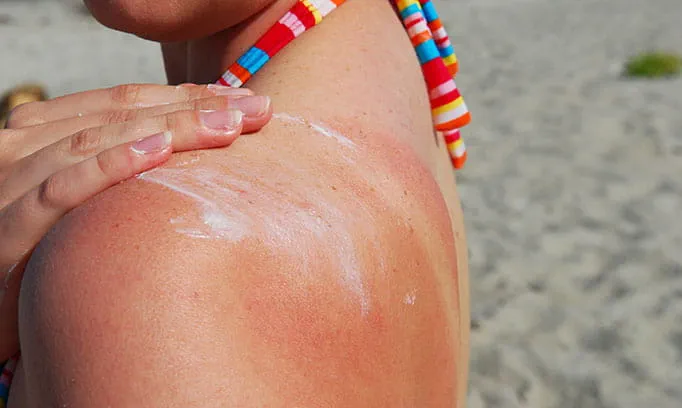
Sunburn and remedies. Overexposure to ultraviolet (UV) light from the sun or artificial sources, such as tanning beds, can result in sunburn, a skin response. It results in skin that is uncomfortable, red, and perhaps hot to the touch. Sunburn symptoms include swelling, blistering, and peeling, and they can vary in severity. Overexposure to ultraviolet (UV) radiation is the main cause of sunburn. The following are some particular causes of sunburn:
SUNBURN AND REMEDIES
Applying aloe vera or soy-based lotions, taking cold showers, drinking plenty of water, and taking ibuprofen or aspirin to relieve pain and inflammation are all effective ways to treat sunburns. When healing, stay out of the sun, avoid using harsh soaps, and refrain from popping blisters. Seek medical attention if you experience severe blistering, fever, or lightheadedness.
1. UVB and UVA Radiation:
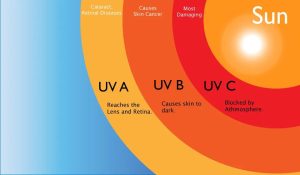
Prolonged exposure to both UVB and UVA rays from the sun can damage the skin. UVB rays cause sunburn, while UVA rays can contribute to premature aging.
2. Intensity of the Sun: The risk increases during periods of high sun intensity, typically between 10 a.m. and 4 p.m.
3. Sun Sensitivity: Some individuals are more susceptible to sunburn due to their skin type, which may include fair skin, light hair, and light-colored eyes.
4. Altitude and Location:

UV radiation is more intense at higher altitudes and closer to the equator, increasing the risk of sunburn.
5. Reflection: Surfaces like water, sand, and snow can reflect UV rays, intensifying exposure and the risk of sunburn.
6. Lack of Sunscreen: Not using or inadequately applying sunscreen with sufficient sun protection factor (SPF) can leave the skin vulnerable to sunburn.
7. Medications: Certain medications, like some antibiotics and acne treatments, can increase sensitivity to UV radiation, making sunburn more likely.
8. Duration of Exposure:
Sunburn and remedies
Spending extended periods outdoors without protection increases the likelihood of sunburn.
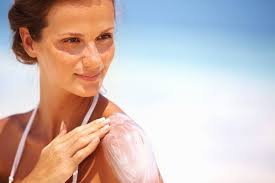
It’s important to take preventive measures, such as wearing sunscreen, protective clothing, and seeking shade to reduce the risk of sunburn.
To alleviate the discomfort of sunburn and promote healing, consider the following remedies:
1. Cool Compress: Apply a cool, damp cloth or compress to the affected area. Avoid using ice directly on the skin.
2. Hydration: Drink plenty of water to stay hydrated, as the situation can lead to dehydration.
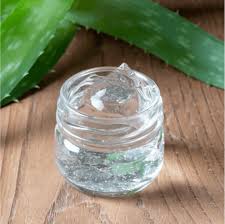
3. Aloe Vera Gel:
Sunburn and remedies
Apply pure aloe vera gel to the sunburned area. Aloe vera has soothing and anti-inflammatory properties.
4. Over-the-Counter Creams: Use over-the-counter creams containing ingredients like hydrocortisone or calamine to relieve itching and inflammation.
5. Pain Relievers: Take over-the-counter pain relievers like ibuprofen or acetaminophen to help reduce pain and inflammation.
6. Avoid Sun Exposure: Stay out of the sun until it has healed to prevent further damage.
7. Moisturize:
Sunburn and remedies
Apply a gentle, fragrance-free moisturizer to keep the skin hydrated and prevent peeling.
8. Avoid Harsh Soaps: Use mild, fragrance-free soaps and avoid scrubbing the sunburned skin.
9. Loose Clothing: Wear loose, breathable clothing to avoid further irritation of the sunburned area.
10. Avoid Popping Blisters: If blisters form, avoid popping them, as this can increase the risk of infection.
Summary
See a medical expert if it is severe or if there are indications of an infection. It is still essential to prevent sunburns in the first place by wearing protective clothing and applying sunscreen.

Skincare and face serum. Thin-viscosity topical preparations with concentrated concentrations of active chemicals are called serums. The idea behind a serum is that for maximum efficacy, higher concentrations of active molecules may be able to permeate the skin’s surface. Additionally, it usually takes less time to observe noticeable results because of the increased attention.
SKINCARE AND FACE SERUM
By providing focused results and vital protection, incorporating it into your daily routine can improve your skincare routine. Whether you just want to keep your skin hydrated or you want it to seem younger and more vibrant. The powerful products that are worth investing in are face serums.
What is a Face Serum?’

Face serums are lightweight, fast-absorbing liquids formulated with active ingredients that target specific skin concerns. Unlike traditional moisturizers, serums are designed with smaller molecules, enabling them to penetrate deeper into the skin and deliver a higher concentration of nutrients.
Why Are Face Serums Important?
1.Intense Hydration:

Skincare and face serum
While moisturizers create a barrier to lock in moisture, serums deliver hydrating ingredients such as hyaluronic acid deep into the skin, resulting in long-lasting hydration and a plumper appearance.
2.Targeted Solutions:

Skincare and face serum
Serums are tailored to address specific skin issues, from wrinkles and fine lines to hyperpigmentation and acne. Ingredients like vitamin C brighten and even out skin tone, while retinol helps reduce signs of aging.
3. Fast Absorption:
However, their lightweight nature means serums are absorbed quickly. Making them an ideal addition to both morning and nighttime routines without leaving a heavy or greasy feeling.
4. Enhanced Protection:

Skincare and face serum
Antioxidant-rich serums help combat environmental stressors like pollution and UV damage, which can accelerate aging and dull the skin’s natural glow.
Summary
Also, it has earned its proper position as a major participant in the skincare industry. Serums, which are sometimes disregarded in favor of moisturizers and creams, are essential for anyone looking for healthy, radiant skin since they provide special, focused advantages.

Tips for Emotional stress

Anxiety and stress reduction

Face cleansing tips

A Step-by-Step Guide to Deleting Reels on Instagram

A Comprehensive Guide to Setting Up a YouTube Premiere

How to Create a WhatsApp Group
-

 Social media2 weeks ago
How to Delete Reels on IG
-

 Social media2 weeks ago
Tips for likes and Followers on Facebook
-

 Music2 weeks ago
Lyrics for Iké Nilé
-

 Photography2 weeks ago
Photography and Outdoors
-

 Social media2 weeks ago
Guidelines for Creating a Facebook Page
-

 Social media2 weeks ago
Guidelines for Uploading Videos on Youtube
Pingback: Foot Soak benefits and how to do it.