
Health
Why Clippers Cause Rashes and How to Prevent Them

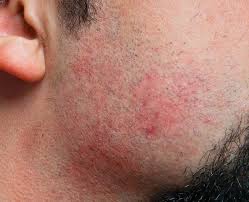
Clippers are a go-to grooming tool for many people, providing a quick and convenient way to cut or trim hair. However, using clippers can sometimes lead to skin irritation, commonly known as clipper rash. This condition can be uncomfortable, causing redness, itching, and in some cases, tiny bumps or even inflammation. Understanding why clippers cause rashes and how to prevent and treat them is essential for maintaining healthy skin during grooming.
Why Clippers Cause Rashes
Several factors can contribute to clipper rash, including:
1. Dull Blades
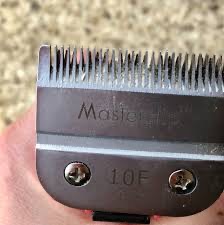
•Clippers with dull or worn-out blades tug at the hair instead of cutting it cleanly, leading to irritation and microtears in the skin.
2. Dirty Clippers
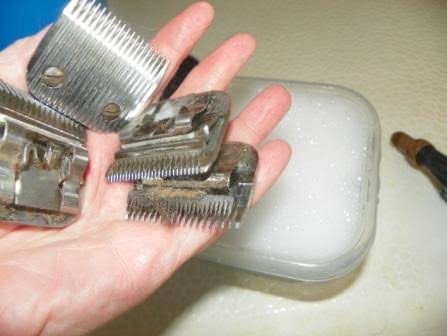
– Clippers that are not properly cleaned can harbor bacteria, fungi, or other pathogens. When these come into contact with the skin, they can cause irritation, infection, or a rash.
3. Friction and Heat
•Clippers that heat up during prolonged use can irritate sensitive skin. Additionally, friction between the blades and the skin can lead to redness and discomfort.
4. Allergic Reactions
•Some people may have sensitivities to the metal in clipper blades (e.g., nickel) or to lubricants used on the blades.
5.Improper Technique
•Applying too much pressure, going over the same area repeatedly, or cutting against the grain can irritate the skin and result in a rash.
6.Pre-Existing Skin Conditions
•Individuals with sensitive skin, eczema, or conditions like folliculitis are more prone to developing rashes after using clippers.
How to Prevent Clipper Rash
Preventing clipper rash requires proper hygiene, maintenance, and grooming techniques. Here are some tips to help reduce the risk:
1. Clean Your Clippers Regularly
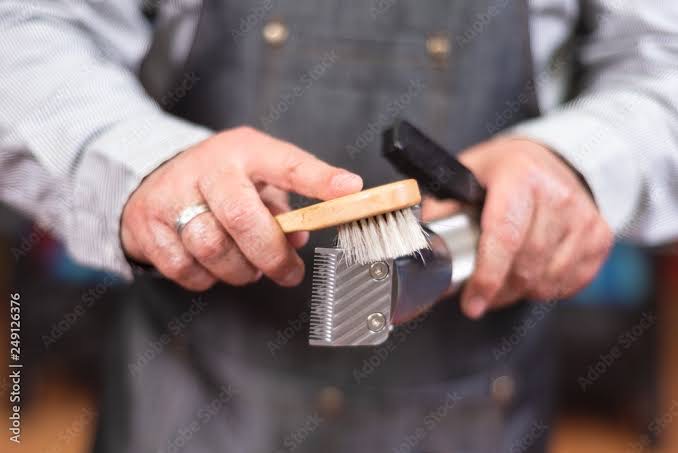
• After every use, clean the clippers thoroughly to remove hair, dirt, and bacteria. Use a clipper brush and disinfectant spray designed for grooming tools.
2. Keep Blades Sharp
•Replace or sharpen dull blades to ensure a clean cut without pulling at the hair or damaging the skin.
3. Lubricate Blades
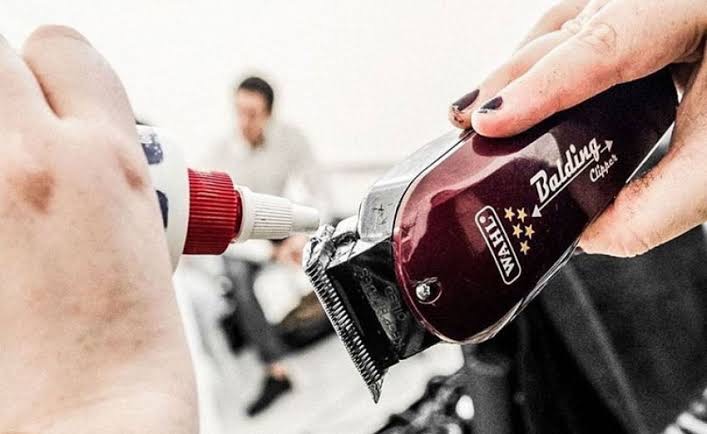
•Use clipper oil to keep the blades moving smoothly and reduce friction. This also helps prevent overheating.
4. Use Proper Technique
•Shave or trim in the direction of hair growth to minimize skin irritation. Avoid pressing the clippers too hard against the skin.
5. Prepare the Skin
•Wash the area with warm water and a gentle cleanser before using clippers. This helps soften the hair and opens the pores.
6. Cool the Clippers
•If clippers get too hot during use, pause to let them cool down or use a cooling spray designed for grooming tools.
7. Moisturize After Grooming
• Apply a soothing, alcohol-free aftershave or moisturizer to calm the skin and reduce the risk of irritation.
8. Test for Allergies
• If you suspect an allergic reaction to the clippers or their lubricant, switch to hypoallergenic blades or lubricants.
Treating Clipper Rash
If you develop a clipper rash despite taking precautions, these steps can help soothe your skin and promote healing:
1. Clean the Affected Area
•Wash the area gently with lukewarm water and mild soap to remove any bacteria or debris.
2. Apply a Cool Compress
•Use a clean, damp cloth to reduce redness and inflammation.
3. Use Soothing Products
•Apply aloe vera gel, hydrocortisone cream, or an anti-itch lotion to calm irritation.
4. Avoid Further Irritation
•Refrain from shaving or trimming the affected area until the rash has healed.
5. Over-the-Counter Treatments
• Products containing salicylic acid or benzoyl peroxide can help treat mild inflammation, especially if the rash is due to folliculitis (infected hair follicles).
6. Keep the Area Moisturized
•Use a fragrance-free moisturizer to prevent dryness, which can worsen the rash.
7. Avoid Scratching
•Scratching can lead to further irritation or infection. If the itchiness is severe, consider using an anti-itch cream or taking an oral antihistamine.
When to Seek Medical Attention
While most clipper rashes are mild and resolve on their own, you should consult a healthcare professional if:
– The rash lasts longer than a few days or worsens.
– You notice signs of infection, such as pus, swelling, or increased redness.
– The rash is painful or spreads to other areas.
Alternative Grooming Options
If clipper rash becomes a recurring problem, consider trying alternative grooming methods, such as:
1. Electric Shavers
•These tend to be gentler on the skin compared to traditional clippers.
2. Depilatory Creams
•These chemically remove hair without the need for blades.
3. Laser Hair Removal
•A long-term solution for reducing hair growth in sensitive areas.
Conclusion
Clipper rash can be an annoying side effect of grooming, but with proper care and technique, it is largely preventable. By maintaining clean, sharp tools, prepping your skin before shaving, and soothing it afterward, you can minimize the risk of irritation. If the rash persists or becomes severe, don’t hesitate to seek professional advice to ensure your skin stays healthy and irritation-free.

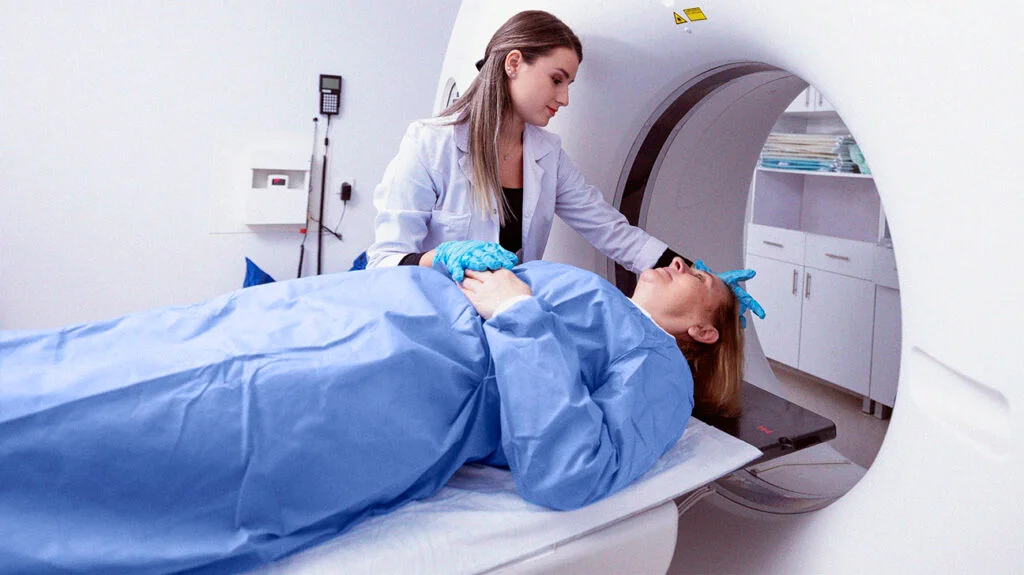
Remedies for breast cancer. Alongside these medication interventions, lifestyle changes including eating a balanced diet, exercising frequently, and abstaining from alcohol and tobacco are also important. Additionally, stress management can help with both general wellbeing and breast cancer treatment. People who have been diagnosed with breast cancer should collaborate closely with their medical team. to create a thorough treatment strategy that takes into account their particular requirements and objectives.
REMEDIES FOR BREAST CANCER
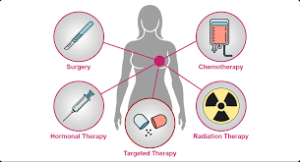
Breast cancer is a disease in which the breast’s cells proliferate uncontrollably, creating tumors that may spread and become invasive. Although it can happen to younger women and men, it mainly affects women over 50. A new lump, breast thickening, skin dimpling, or nipple discharge are important indicators. Treatment options include radiation, chemotherapy, hormone therapy, and surgery, all of which have a high success rate.
1. Surgery:

Surgery is often the first line of treatment for breasts cancer. The type of surgery depends on the size and location of the tumor, as well as other factors. Common surgical options include lumpectomy (removal of the tumor and a small margin of surrounding tissue) and mastectomy (removal of the entire breast). In some cases, lymph nodes may also be removed to determine if cancer has spread.
2. Chemotherapy:
Chemotherapy involves the use of powerful drugs to destroy cancer cells or shrink tumors. It may be used before surgery (neoadjuvant chemotherapy) to reduce the size of the tumor, after surgery (adjuvant chemotherapy) to kill any remaining cancer cells, or as the primary treatment for advanced or metastatic breasts cancer.
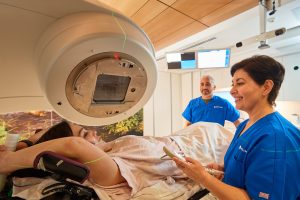
3. Radiation Therapy:
Remedies for breast cancer
Radiation therapy uses high-energy beams to kill cancer cells or prevent them from growing. It is often used after surgery to destroy any remaining cancer cells in the breast, chest wall, or lymph nodes. Radiation therapy may also be used to relieve symptoms in cases of advanced breast cancer.
4. Hormone Therapy:
Hormone therapy, also known as endocrine therapy, targets hormone receptors on cancer cells that rely on estrogen and/or progesterone to grow. Hormone therapy may include medications such as tamoxifen, aromatase inhibitors, or ovarian suppression therapy to block the effects of estrogen or reduce its production.
5. Targeted Therapy:
Remedies for breast cancer
Targeted therapy drugs specifically target cancer cells while sparing healthy cells. Examples of targeted therapy drugs used in breast cancer treatment include trastuzumab (Herceptin) and pertuzumab (Perjeta), which target HER2-positive breasts cancer, and CDK4/6 inhibitors such as palbociclib, ribociclib, and abemaciclib, which target certain proteins involved in cell growth.
6. Immunotherapy:
Also, immunotherapy works by stimulating the body’s immune system to recognize and attack cancer cells. While not yet widely used in breast cancer treatment, immunotherapy drugs such as pembrolizumab and atezolizumab may be used in certain cases, particularly in metastatic breasts cancer that is triple-negative.
7. Clinical Trials:

Remedies for breast cancer
Clinical trials offer access to new and experimental treatments for breast cancer. Participation in clinical trials helps advance medical knowledge and may provide patients with access to promising therapies not yet available to the general public.
Summary
A variety of medical interventions that are particular to the kind and stage of the cancer are usually used to treat breast cancer. Medical professionals stress that clinical therapies are the main means of targeting and eradicating cancer cells, despite the fact that “remedies” frequently refer to home remedies.
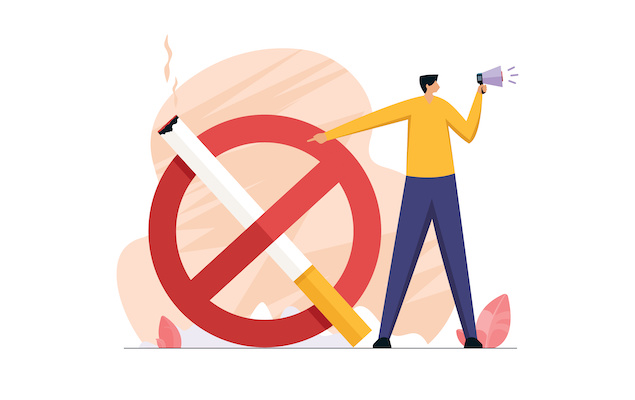
General health and smoking. Inhaling smoke from burning materials, mostly tobacco, through pipes, cigars, or cigarettes is known as smoking. Nicotine, which provides momentary pleasure and relaxation but causes serious health problems like cancer, heart disease, stroke, and lung illness, makes it a highly addictive habit.
GENERAL HEALTH AND SMOKING
Smoking damages almost every organ in the body and lowers general health, making it the biggest cause of avoidable disease and death worldwide. Every year, it results in over 7 million deaths and an average 10-year reduction in life expectancy. It affects almost all of the body’s organs and has disastrous repercussions on health. The following are a few of the most serious health effects of smoking:
1. Respiratory System:
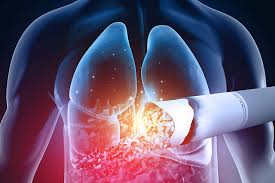
Smoking damages the lungs and airways, leading to chronic conditions like chronic obstructive pulmonary disease (COPD), emphysema, and chronic bronchitis. It also increases the risk of respiratory infections like pneumonia and xacerbates asthma symptoms.
2. Cardiovascular System: Smoking significantly increases the risk of heart disease, stroke, and peripheral artery disease. It damages the blood vessels, leading to atherosclerosis (hardening and narrowing of the arteries), which can cause heart attacks and strokes.
3. Cancer:
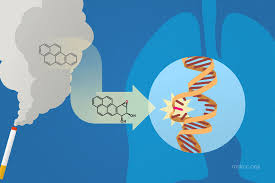
General health and smoking
Smoking is the leading cause of preventable cancer worldwide. It increases the risk of developing various types of cancer, including lung cancer, throat cancer, mouth cancer, esophageal cance, bladder cancer, pancreatic cancer, and cervical cancer.
4. Reproductive System:
Smoking harms reproductive health in both men and women. It reduces fertility, increases the risk of erectile dysfunction in men, and can lead to complications during pregnancy, such as miscarriage, preterm birth, low birth weight, and birth defects.
5. Immune System:
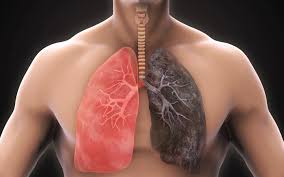
General health and smoking
Smoke weakens the immune system, making smokers more susceptible to infections and slower to heal from injuries and illnesses. It also increases the risk of autoimmune diseases and exacerbates existing autoimmune conditions.
6. Vision:
Smokers are associated with an increased risk of vision problems and eye diseases, including age-related macular degeneration (AMD), cataracts, and diabetic retinopathy.
7. Oral Health:
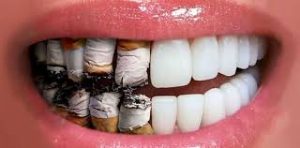
General health and smoking
Smoking damages oral tissues, leading to gum disease, tooth loss, and oral cancer. It also causes bad breath, tooth discoloration, and a decreased sense of taste and smell.
8. Skin: It accelerates skin aging and increases the risk of skin conditions such as psoriasis and skin cancer. It also reduces blood flow to the skin, resulting in a dull complexion and delayed wound healing.
9. Bone Health:
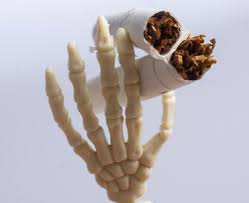
It weakens bones and increases the risk of osteoporosis, a condition characterized by brittle and fragile bones, which is more common in older adults.
Summary
Overall, the health effects of smoking are extensive and profound, affecting not only smokers but also those exposed to secondhand smoke. Quitting smoking is the single most important step smokers can take to improve their health and reduce their risk of developing smoking-related diseases.
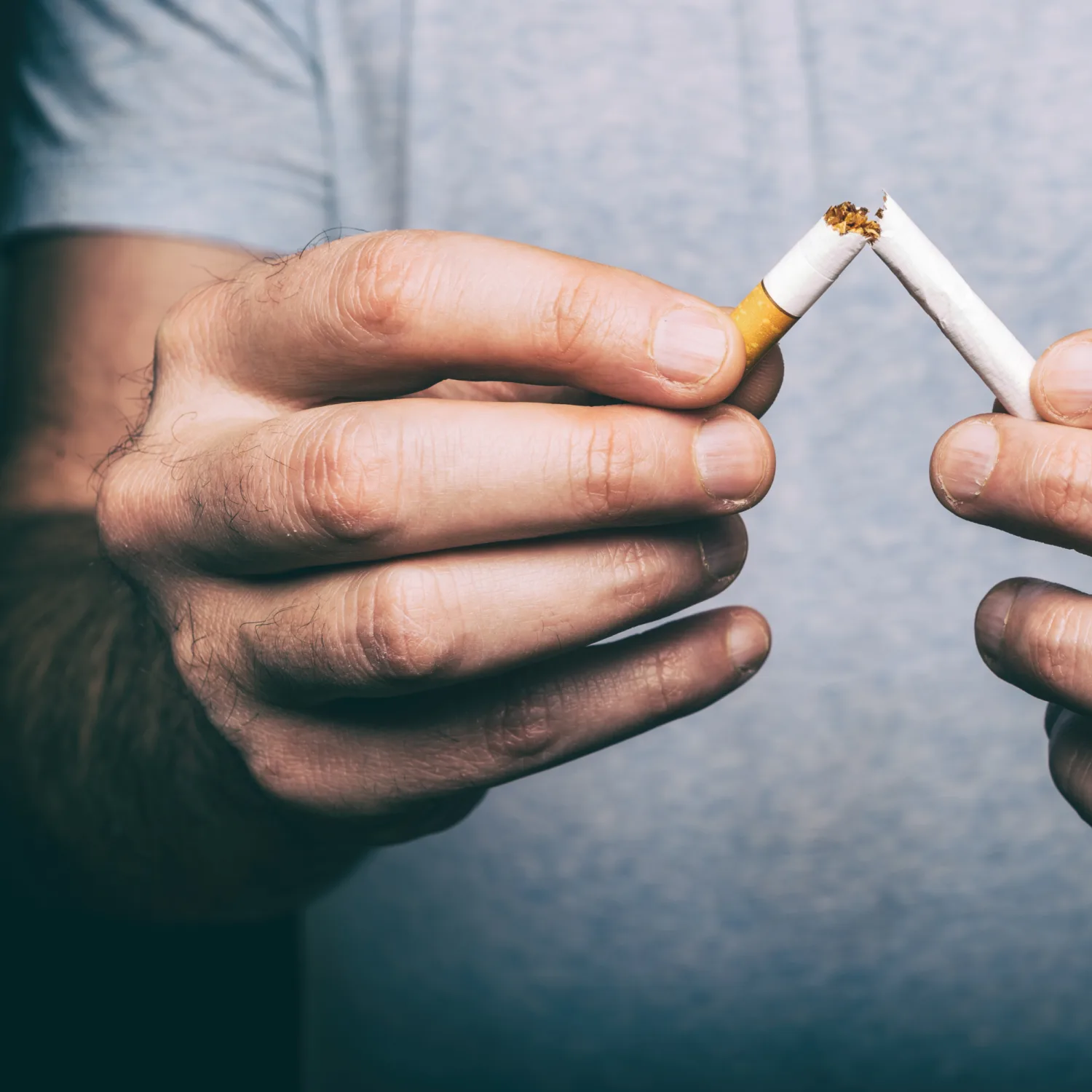
Tips for quitting smoking habits. Over 80% of the 1.3 billion smokers worldwide reside in low- and middle-income nations, and smoking habits are frequently motivated by nicotine dependence. Tobacco use becomes a deeply embedded ritual connected to stress reduction, social contact, and everyday routines. These behaviors, which include smoking 500–600 times a day, increase the risk of serious illnesses like cancer, lung infections, and cardiovascular disease.
TIPS FOR QUITTING SMOKING HABITS
It’s never too late to start quitting smoking, which is one of the healthiest things you can do for your health. You can overcome the hold of smoking with perseverance and encouragement. Although quitting smoking can be difficult, it is undoubtedly possible with the correct strategy. Here’s a strategy to assist:
1. Set a Quit Date:
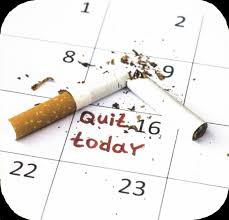
Choose a date within the next few weeks to quit smoking. This gives you time to prepare mentally and emotionally.
2. Understand Your Triggers: Identify situations, emotions, or activities that trigger your urge to smoke. This awareness will help you develop strategies to cope with these triggers.
3. Find Alternatives:
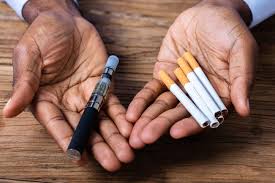
Replace smoking with healthier habits like chewing gum, taking a walk, or deep breathing exercises to distract yourself when cravings hit.
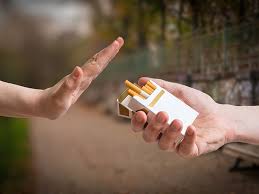
4. Seek Support: Tell your friends, family, and coworkers about your decision to quit smoking. Their support can make a big difference in your journey.
5. Consider Nicotine Replacement Therapy (NRT): NRT products like patches, gum, or lozenges can help ease withdrawal symptoms by providing a controlled dose of nicotine.
6. Stay Busy:

Tips for quitting smoking habits
Keep yourself occupied with activities that keep your hands and mind busy. This can reduce the urge to smoke.
7. Avoid Triggers: Stay away from situations or places where you’re tempted to smoke, especially during the early stages of quitting.
8. Stay Positive:
Tips for quitting smoking habits
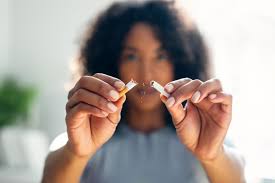
Remind yourself why you want to quit smoking. Focus on the benefits of a smoke-free life, such as improved health, more energy, and saving money.
9. Be Patient and Persistent: Quitting smoking is a process, and setbacks may happen. Don’t get discouraged. Learn from any slip-ups and keep moving forward.
10. Celebrate Milestones:
Tips for quitting smoking habits
Reward yourself for reaching milestones along the way, whether it’s a week, a month, or a year without smoking. Treat yourself to something you enjoy as a reminder of your progress.
Summary
When behavioral modifications, nicotine replacement therapy (NRT), and social support are combined, quitting smoking is quite successful. Setting a specific stop date, recognizing and avoiding triggers, controlling cravings with nutritious snacks or diversions, and making use of support services like hotlines or counseling are all important stages.

Skin cancer remedies

Skin cancer preventive measures

Remedies for breast cancer

A Step-by-Step Guide to Deleting Reels on Instagram

A Comprehensive Guide to Setting Up a YouTube Premiere

How to Create a WhatsApp Group
-

 Music4 weeks ago
Lyrics for Iké Nilé
-

 Photography4 weeks ago
Photography and Outdoors
-

 Social media4 weeks ago
Tips for likes and Followers on Facebook
-
 Social media4 weeks ago
Guidelines for Creating a Facebook Page
-

 Business3 weeks ago
Business plan advantages
-

 Social media2 weeks ago
Tips for editing whatsapp messages
Pingback: aftershave bumps Treatment