
safety
Causes of Road Accidents


Causes of road accidents. Without a doubt, traffic accidents are the most common and, on average, the most destructive. The comparatively high degree of freedom of movement granted to drivers and the extremely heavy traffic on the roads are the causes of this. Despite calls for responsible behavior, adherence to loading regulations and the highway code, and the duty for drivers to adjust their speed which impacts stopping distances or traffic and weather conditions (rain, ice, fog, etc.), accidents involving heavy goods vehicles particularly coaches and lorries with trailers occur far too frequently.
CAUSES OF ROAD ACCIDENTS
Every year, thousands of people are killed and injured in traffic accidents, which is a serious problem. These incidents are caused by a variety of factors, so it is crucial that drivers are aware of the risks. Drivers can actively improve their road safety by being aware of the typical reasons behind traffic accidents. This information enhances everyone’s safety on the road in addition to preventing personal injury.
1. Distracted driving

This is a major contributing factor in numerous auto accidents each year. When distracted drivers focus on something other than the road, this happens. Texting, making phone calls, eating, and using navigation apps are typical examples. The ability of a driver to observe significant traffic events may be hampered by these distractions. They might have trouble controlling the car and not respond to abrupt changes. Prohibiting the use of handheld devices while driving is one way to lessen distracted driving.
2. Campaigns for education are also crucial

in increasing public awareness of the dangers of distracted driving. One of the factors contributing to auto accidents is speeding. Drivers who exceed the speed limit lose time to adjust to changes in the road. Drivers who go over the limit lose control when navigating a curve or are unable to stop in time to avoid colliding with a pedestrian or other vehicle. Therefore, speeding significantly raises the likelihood of a collision. Additionally, it makes any ensuing mishap considerably worse. In order to optimize safety for cyclists, pedestrians, and drivers, speed limits are established according to particular road conditions. Following the speed limit can significantly reduce the likelihood of serious injuries or fatalities in collisions.
3. Drunk Driving
All drivers are at risk for death from drunk driving. Driving while intoxicated makes it much more difficult to operate a vehicle safely because it impairs judgment, coordination, and reaction times. Alcohol-impaired driving was the cause of 9,557 crashes in Michigan. Drunk drivers frequently make careless decisions that cause serious or fatal accidents because they are unable to evaluate their own level of impairment. After consuming alcohol, drivers must make advance plans by designating a designated driver or utilizing alternate modes of transportation. These safeguards have the potential to save lives and stop injuries from drunk driving accidents.
4. Aggressive speeding

incorrect lane changes, and failure to yield the right-of-way are examples of reckless driving behaviors that contribute to auto accidents. Drivers that act recklessly show a lack of respect for traffic laws and other drivers’ safety. Driving carelessly raises the possibility of an accident and the seriousness of the injuries that result. The two main tactics for preventing reckless driving are education and enforcement. Aggressive driving can be curbed with the support of public education initiatives and traffic laws that penalize such behaviors. Communities must encourage a driving culture that prioritizes following traffic laws and showing consideration for other people.
5. Weather

The state of the weather has a significant impact on road safety. The likelihood of accidents can be significantly increased by rain, snow, ice, and fog. These circumstances change the state of the roads and make it harder to see. A car’s handling ability is diminished on slippery roads, and stopping distances are increased. Because fog can obstruct vision, it can be difficult for drivers to see road signs, other cars, or pedestrians.
Summary
The majority of traffic accidents are more often caused by the choices a driver makes while operating a motor vehicle than by their level of driving proficiency. In actuality, human error is to blame for roughly 94% of all traffic accidents. Many drivers will eventually be found guilty of some of the most frequent reasons for traffic accidents. Nonetheless, raising awareness of these issues can help inform and, ideally, persuade drivers to drive more carefully.

Helmets advantages. One of the best ways to encourage helmet use and reduce the amount of head injuries is through education and awareness campaigns. Through these programs, riders of all ages learn the value of wearing a helmet and how to choose one that fits properly. By organizing events, distributing free helmets to those in need, and providing fit demonstrations, cycling clubs, schools, and community organizations can all significantly contribute to the promotion of helmet use. Public health campaigns should also highlight the importance of wearing helmets and the data showing their effectiveness in lowering serious injuries.
HELMETS ADVANTAGES
By lowering the chance of catastrophic brain injury by 53% to 60% and the risk of fatal head injuries by up to 88%, helmets offer vital, life-saving protection. In addition to improving sight, providing weather protection, and lowering noise levels during rides, they protect against debris, facial injuries, and skull fractures.
1. It Can Protect You Against Head Injuries;
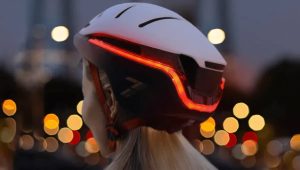
A helmet reduces the risk of head trauma and the force of an accident on your head. If you are riding a two-wheeler and you are not wearing a helmet, you run the risk of suffering fatal brain injuries in an accident. Failure to wear a helmet increases the risk of both internal and exterior brain injuries, which can be fatal. To save your life, you should wear a helmet.
2. Eye protection;
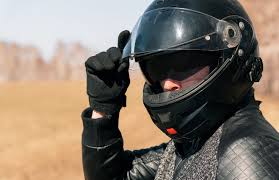
A full-faced helmet completely encloses your face, giving you total protection in the event of an accident. Wearing this kind of helmet when riding a two-wheeler shields your eyes from dust and bright lights. Additionally, this helmet’s design gives you the best possible field of vision when driving.
3. Ensures greater control of the vehicle;
It has been noted that wearing a helmet increases your level of focus when riding a bicycle. When wearing a helmet when operating a two-wheeler, you are more likely to exercise caution and regulate your pace. By doing this, the likelihood of an accident is significantly reduced.
4. Protects you from chilly winds;
Helmets advantages
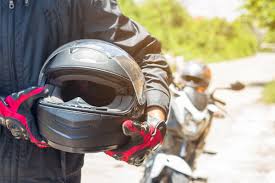
Donning a helmet shields your ears in addition to your head. By keeping the cool breeze out of your ears, this protective covering keeps you healthy and keeps you from becoming sick during the cold months. Wearing a helmet during the summer also helps you keep cool because the solid lining cushioning reduces the warmth.
5. Prevents fines;
Helmets advantages
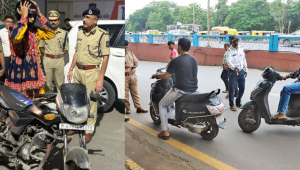
Traffic cops are on high alert to fine individuals who ride their bikes without a helmet because of the law requiring helmet use. To avoid paying large fines and damaging your driving record, you should wear a helmet when driving.
6. Wearing a Helmet Can Reduce the Risk of Death
7.It Keeps Your Head Dry and Warm
8.A Helmet Can Help Other People Notice You More Easily
9.A Helmet Can Help Other People Notice You More Easily
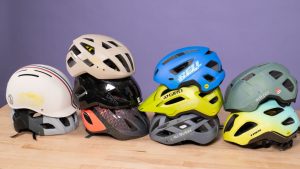
How to buy a helmet;
Helmets advantages
1. To guarantee the safety of everyone riding the bike, purchase helmets for the driver and any pillion passengers.
2. To ensure total safety, always get a full-faced helmet, which covers your entire face.
Summary
Since the helmet absorbs most of the impact energy during a fall or collision rather than your head and brain, wearing one has been shown to reduce your chance of dying or suffering a catastrophic brain injury. Just as important as donning a helmet is wearing the proper one.
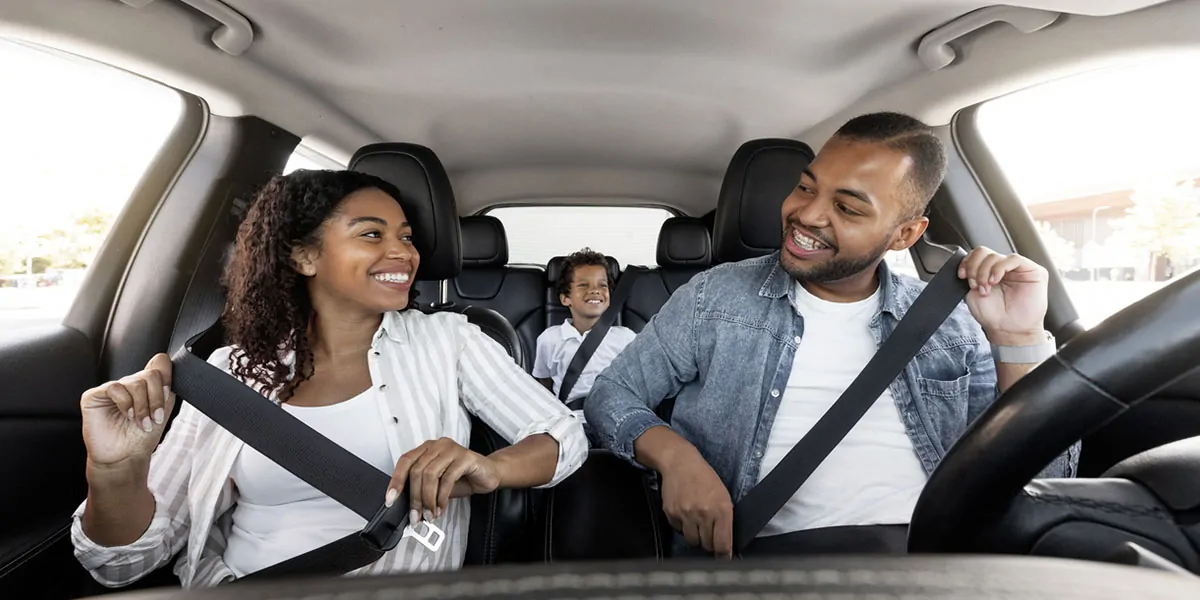
Seat belts advantages. Nowadays, wearing a seat belt should come naturally to you when you get into your automobile. However, some people are still unaware of the benefits of using a seat belt. Instead, they are increasing their risk because the safety measures of the car won’t protect them in the event of an accident.
SEAT BELTS ADVANTAGES
Since 75% of auto accidents and injuries happen within 25 miles of a person’s house, you can increase safety by always wearing a seatbelt when driving, even if you’re just within your estate. Also, low speeds (less than 40 mph) account for more than half of all automotive accidents that cause injuries. If you don’t think wearing a seatbelt is vital or you don’t enjoy wearing one, these reasons might convince you otherwise.
1. It ensures the safety of all occupants and other drivers;
Even if you drive an older car without airbags, seat belts are still life-saving, as several studies and research have concluded.
2. It maintains your position when hits occur;
By keeping you in your seat, the seat belt prevents you from being flung through the windshield or tossed around the car.
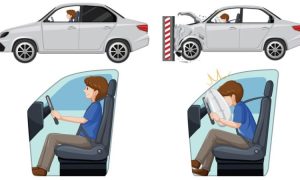
3. It is made to cooperate with your airbags;
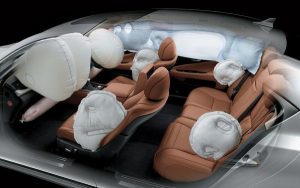
In addition to your seat belt, airbags are made to help hold you in place. You cannot use the airbag system if you are not wearing it.
4. You can avoid being fined for not wearing one;
There are seat belt laws, as was previously noted, and failing to wear one could result in a traffic citation, a fine, and a record of the infraction on your driving record.
5. It lowers the chance of death and severe injuries;
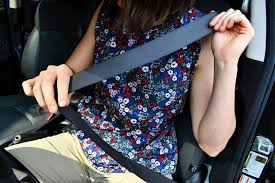
Seat belts advantages
Some people have survived serious collisions in which their vehicles were completely destroyed, yet they only suffered minor injuries because they were wearing seat belts.
6. It may impact the cost of auto insurance;
When it comes time to renew your auto insurance, if you receive a traffic ticket for not wearing your seatbelt, your rates may increase dramatically since you are viewed as a high-risk driver, or your policy may not be renewed at all.
7. After an accident, it affects your capacity to get compensation;
Seat belts advantages
The person who caused the accident or your motor insurance company may claim that you should receive less money because you were at fault for not wearing a seat belt, even if you were not at fault.
8. Stops Ejection;
The Insurance Institute for Highway Safety reports that when a person is ejected from a car, fatalities are more likely to occur. Wearing a seat belt improves your chances of surviving an accident by keeping you inside your vehicle.
9. Impact Force;
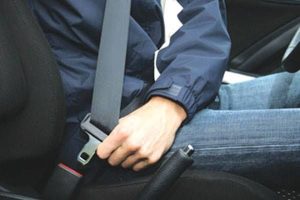
Seat belts advantages
Distribution The force will be distributed over your strongest body parts by your shoulder and lap belts. Compared to a concentrated hit on your head, chest, or abdomen, which is more likely to occur if you are not restrained, this is less likely to result in harm.
10. Preserves Your Spine and Brain;
Also, Brain damage is likely to result from hitting your head in an accident. The severity of brain injuries can vary from minor concussions to diffuse axonal damage and potentially lethal coup-counters.
Summary
The risk of serious injuries can be reduced by half by using seat belts. Wearing seat belts reduces the number of fatalities in accidents by 45%. This indicates that 15,000 lives are saved on average each year by seat belt use.
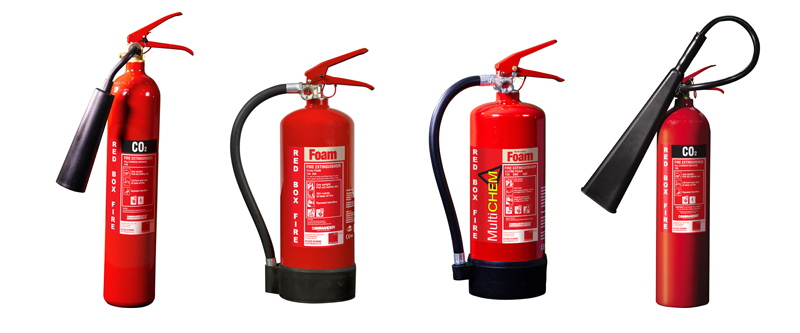
Fire extinguishers merits. Fires can start anywhere, at any moment, and without warning. A small spark can quickly turn into a violent fire that destroys property and kills lives. Fire extinguishers, an essential piece of fire safety equipment, may help confine and extinguish small fires before they get too big and uncontrollable. A fire extinguisher is a vital component of home security. In the event of a fire, it serves as the first line of defense, preventing property damage and saving lives. Choose the right extinguisher and learn how to use it to protect your home.
FIRE EXTINGUISHERS MERITS
An essential portable tool for controlling or putting out small, controllable fires in an emergency is a fire extinguisher, which releases extinguishing agents. Depending on the fuel source (usually wood, liquid, electrical, or cooking fires), they are classified by fire class (A, B, C, D, or K). They are also frequently rated to make sure they adhere to safety regulations.
Importance;
Whether you are a homeowner, business owner, or responsible individual, fire safety should always come first. Installing fire extinguishers in your business can have a big impact on how a fire emergency turns out. The significance of fire extinguishers, their various varieties, and how to use them correctly in an emergency will all be covered in this article.
1. Initial defense;
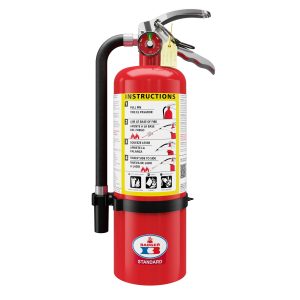
When a fire breaks out, a fire extinguisher acts as the first line of defense. Before the fire department arrives, which could take several minutes or longer, a small flame can evolve into a full-blown inferno. During these critical minutes, a fire extinguisher can contain or even extinguish a fire, stopping it from spreading and inflicting further damage.
2. Protecting lives and property;
A rapid response to a fire can saves lives. Fires can swiftly spread, engulfing the home with smoke and making escape more difficult. A fire extinguisher allows you to extinguish a fire in its early stages, potentially giving you more time to exit safely.
3. Not a choice in many areas;
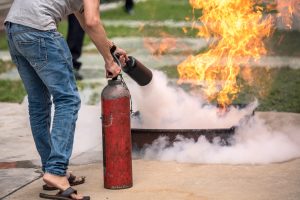
FIRE EXTINGUISHER MERITS
having a fire extinguisher in your house is not only a safety precaution; it is a requirement. Several jurisdictions and insurance companies mandate that residences have at least one fire extinguisher readily available. These regulations emphasize the critical role that fire extinguishers play in household safety.
4. Choose and utilize a fire extinguisher;
Not all fire extinguishers are made equal. Different types of extinguishers are designed to fight different types of fires, such as those caused by common combustibles, flammable liquids, or electrical equipment. It’s critical to have the appropriate extinguisher for the potential fire hazards in your home.
5. Regular maintenance;
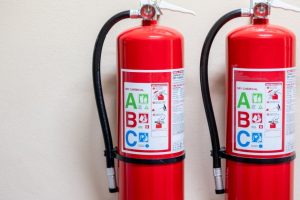
FIRE EXTINGUISHER MERITS
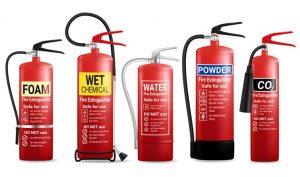
FIRE EXTINGUISHER MERITS
The state of a fire extinguisher determines its effectiveness. Regular inspections are required to verify that your extinguisher is in good operating order, with no damage or blockages and the appropriate pressure. Extinguishers have expiration dates and should be changed or serviced as necessary.
Summary
It is important to keep in mind that fire extinguishers are only intended to put out small fires. Evacuating the building and contacting the fire brigade are crucial if the fire has spread beyond its original location. buy fire extinguishers in your house or place of business to assist in reducing the amount of damage that a fire can do. A fire extinguisher that is easily accessible can help contain a fire until the fire service comes.

The Causes of Political Apathy

Child Neglect and Causes

Environment Care Tips

A Step-by-Step Guide to Deleting Reels on Instagram

A Comprehensive Guide to Setting Up a YouTube Premiere

How to Create a WhatsApp Group
-

 Business3 weeks ago
How to Promote your Business
-

 Fashion3 weeks ago
Fashion Guide for Beginners
-

 Business2 weeks ago
Business Name Selection Tips
-

 Business1 week ago
Customers Satisfaction
-

 Business3 weeks ago
Tips for Running Online Business
-

 TECHNOLOGY3 weeks ago
Artificial Intelligence and the Future