
Health
Prevention of West Nile Fever

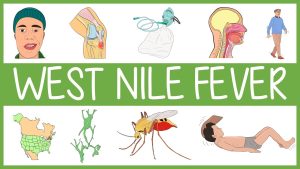
PREVENTION OF WEST NILE FEVER
Prevention of west Nile fever. The virus known as West Nile is transmitted by mosquito bites. The majority of West Nile virus infections are asymptomatic. Symptoms like fever, rash, and muscle aches affect about 1 in 5 persons. In rare cases, West Nile can result in severe inflammation of the brain and spinal cord, including meningitis and encephalitis.
PREVENTION OF WEST NILE FEVER
The virus known as West Nile is transmitted by mosquito bites. The majority of infected individuals show no symptoms. However, 1 in 5 persons suffer from West Nile fever, which is characterized by fever, headache, body pains, and other flu-like symptoms. In rare cases, the West Nile virus can infect your nervous system and result in severe inflammation of the brain or spinal cord (meningitis or encephalitis). The West Nile district in Uganda, where it was initially discovered, is the source of the name.
Symptoms

West Nile fever symptoms include: Fever. Headache. The muscles hurt. vomiting and nausea. Diarrhea. Rash (typically centered on your back and chest). swelling in the lymph nodes. sore throat. discomfort behind your eyes. More severe West Nile infection symptoms include: severe, excruciating headache. high fever (temperature more than 39.5 degrees Celsius or 103 degrees Fahrenheit). stiff neck. It may be difficult for you to bring your chin up to your chest. Confusion. weakening of the muscles. Uncontrollable muscle movements, such as convulsions or tremors. Seizures. Paralysis. Coma.
Causes

West Nile is an arbovirus, which is a virus that is contracted from an arthropod, which is a broad category that includes insects. It belongs to the genus Flavivirus and is an RNA virus. Zika, dengue fever, and yellow fever are all caused by similar viruses.
Treatment

The West Nile virus cannot be treated with antiviral drugs. Over-the-counter (OTC) drugs, similar to those used for a cold or flu, can be used to treat minor symptoms at home. At a hospital, medical professionals will keep an eye on you if you have severe neurological symptoms. They may attempt to lessen brain swelling or treat your symptoms using: If you are experiencing seizures, take anti-seizure medications. mechanical ventilation or more oxygen to aid in breathing. fluids administered intravenously (IV) to maintain hydration. To lessen inflammation, use corticosteroids. If you are unable to feed yourself, you may be tube fed.
Prevention

The West Nile virus cannot be prevented by vaccination. Preventing mosquito bites is the best method to lower your risk. Among the methods to do this are: avoiding periods of high danger. When mosquitoes are most active, which is early in the morning and around sunset, stay inside. applying insect repellant. Before venturing outside, apply insect repellent to exposed skin or clothing. For efficacy, look for ones that are registered with the Environmental Protection Agency. putting a covering over your skin.
More Prevention
When you’re outside, cover more of your body with light clothing, such as long sleeves or long pants. removing any standing water. Empty and clean any spots that can retain water, like a birdbath or blocked rain gutters, on a regular basis to prevent mosquitoes from breeding there. Mosquitoes are kept outside. To prevent mosquitoes from entering your house, keep windows and doors closed or screened. observing safety measures whether sleeping or traveling outside. If at all possible, sleep with the windows closed, or use a mosquito net to prevent nighttime bites.
Summary
Mosquitoes are usually just an annoying annoyance. However, they occasionally carry viruses that might cause illness. Thankfully, 80% of West Nile patients never experience any symptoms. Additionally, the majority of people have a very low chance of being very ill. You can take precautions against mosquito bites if you may be in their vicinity. See a doctor if you experience any West Nile symptoms after being bitten. They can answer any questions you may have and help you understand which symptoms are critical to watch out for.

Stress coping mechanisms. Although stress is an unavoidable aspect of life, you may develop stronger resilience in the face of hardship and learn how to deal with stresses more skillfully by using appropriate stress management practices. You may create a solid basis for stress management and general well-being by integrating mindfulness meditation, deep breathing techniques, exercise, a healthy lifestyle, social support, and efficient time management into your daily routine.
STRESS COPING MECHANISMS
Stress has become a regular companion for many people in today’s fast-paced society, affecting both mental and physical well-being. However, preserving general health and quality of life requires efficient stress management. Fortunately, there are a number of stress-reduction strategies that can assist people in managing their stress and developing resilience in the face of adversity. We’ll look at six of the most crucial stress-reduction strategies in this post so you can deal with stressors more easily and confidently.
1. Mindfulness Meditation;

Mindfulness meditation involves bringing your attention to the present moment without judgment, allowing you to observe your thoughts, feelings, and bodily sensations with acceptance and openness. Regular practice of mindfulness meditation has been shown to reduce stress, anxiety, and depression while promoting relaxation and emotional well-being. Set aside time each day to practice mindfulness meditation, even if it’s just for a few minutes, and gradually increase the duration as you become more comfortable with the practice.
2. Deep Breathing Exercises;
Deep breathing exercises are a simple yet powerful way to activate the body’s relaxation response and reduce stress levels. Practice deep breathing by taking slow, deep breaths in through your nose, allowing your abdomen to expand fully, and then exhaling slowly through your mouth. Focus on the sensation of the breath as it enters and leaves your body, letting go of tension with each exhale. Incorporate deep breathing exercises into your daily routine, especially during times of heightened stress or tension.
3. Physical Activity;

Stress coping mechanisms
Regular physical activity is an effective way to combat stress and improve overall well-being. Exercise releases endorphins, the body’s natural mood-boosting chemicals, which can help reduce stress, anxiety, and depression. Find activities that you enjoy, whether it’s walking, jogging, swimming, yoga, or dancing, and make them a regular part of your routine. Aim for at least 30 minutes of moderate-intensity exercise most days of the week to reap the full benefits of physical activity for stress management.
4. Healthy Lifestyle Habits;
Maintaining a healthy lifestyle can help buffer the effects of stress on the body and mind. Eat a balanced diet rich in fruits, vegetables, whole grains, lean proteins, and healthy fats to nourish your body and support optimal functioning. Prioritize regular sleep and aim for 7-9 hours of quality sleep each night to promote rest and rejuvenation. Limit consumption of caffeine, alcohol, and nicotine, as these substances can exacerbate stress and interfere with sleep quality.
5. Social Support;

Stress coping mechanisms
Try a variety of methods to see what suits you the best, and keep in mind that practice and consistency are essential to developing effective stress management practices. You can acquire the skills and techniques required to prosper in the face of life’s obstacles with commitment and tenacity.
Seeking support from friends, family members, or a support network can provide comfort, encouragement, and perspective during times of stress. Connecting with others who understand and empathize with your experiences can help alleviate feelings of isolation and loneliness. Reach out to trusted individuals when you need to talk, vent, or seek advice, and be willing to offer support in return. Building and maintaining strong social connections is essential for emotional resilience and stress management.
6. Time Management and Prioritization;

Stress coping mechanisms
Effective time management and prioritization skills can help reduce feelings of overwhelm and improve productivity, leading to decreased stress levels. Break tasks down into manageable steps, set realistic goals, and create a schedule or to-do list to help you stay organized and focused. Prioritize tasks based on urgency and importance, and delegate responsibilities when possible. Remember to schedule time for relaxation, leisure activities, and self-care to maintain balance and prevent burnout.
Summary
Try a variety of methods to see what suits you the best, and keep in mind that practice and consistency are essential to developing effective stress management practices. You can acquire the skills and techniques required to prosper in the face of life’s obstacles with commitment and tenacity.

Health hazards of dust. Dust may appear to be a minor annoyance, but its negative impacts on health should not be disregarded. Dust exposure can have a variety of negative consequences on people’s health, including respiratory issues, allergic reactions, and skin irritation. People can lower health risks and create healthier indoor and outdoor settings for themselves and their family by taking proactive steps to reduce dust exposure, such as routine cleaning, adequate ventilation, and wearing personal protection equipment when needed.
HEALTH HAZARDS OF DUST
Dust is more than simply an annoyance, but it also poses serious health hazards that can affect people of all ages. The impact of dust on health can be extensive and potentially serious, ranging from skin irritation to respiratory issues. This article will examine the different ways that dust exposure can impact health and go over measures to reduce these hazards.
1. Respiratory Issues;

One of the most well-known effects of dust on health is its impact on the respiratory system. Inhaling dust particles can irritate the airways, leading to symptoms such as coughing, wheezing, and shortness of breath. For individuals with pre-existing respiratory conditions like asthma or chronic obstructive pulmonary disease (COPD), exposure to dust can exacerbate symptoms and trigger respiratory flare-ups.
2. Allergic Reactions;
Dust is a common allergen that can trigger allergic reactions in susceptible individuals. Dust mites, microscopic creatures found in household dust, are a primary source of allergens. When inhaled or in contact with the skin, dust mite allergens can cause symptoms such as sneezing, runny or stuffy nose, itchy eyes, and skin rashes. Allergic reactions to dust can significantly impact quality of life and may require medical intervention to manage symptoms effectively.
3. Skin Irritation;

Health hazards of dust
In addition to respiratory and allergic reactions, dust can also irritate the skin upon contact. Dust particles can contain various substances, including chemicals, pollutants, and microorganisms, which may irritate sensitive skin or cause allergic dermatitis. Prolonged exposure to dust without proper protective measures can lead to dryness, redness, itching, and inflammation of the skin.
4. Eye Irritation;
Dust particles can irritate the delicate tissues of the eyes, leading to symptoms such as redness, itching, burning, and excessive tearing. Individuals who work in environments with high levels of dust, such as construction sites or industrial settings, are particularly susceptible to eye irritation. Proper eye protection, such as safety goggles or glasses, is essential to prevent dust-related eye injuries and discomfort.
5. Respiratory Infections;

Health hazards of dust
In addition to irritating the respiratory system, certain types of dust can also harbor bacteria, viruses, and other pathogens that can cause respiratory infections. Prolonged exposure to contaminated dust can increase the risk of respiratory illnesses such as bronchitis, pneumonia, and sinus infections. Practicing good hygiene, including frequent handwashing and avoiding touching the face, can help reduce the risk of respiratory infections caused by dust exposure.
Summary
Inhaling dust, especially tiny particles (PM10/PM2.5), can lead to serious health risks, such as lung disorders (silicosis, bronchitis), respiratory conditions (asthma, COPD), and cardiovascular concerns. While typical household dust can cause allergies and infections, long-term exposure to dangerous dusts can result in lung scarring and cancer.

Chest dryness causes. Your general well-being and day-to-day activities may be negatively impacted by an uncomfortable and worrisome feeling of dryness in your chest. Although this feeling could seem perplexing, there are a number of possible causes. We’ll examine five typical causes of chest dryness in this post, together with doable solutions to ease pain and support respiratory health.
CHEST DRYNESS CAUSES
Respiratory conditions like asthma, bronchitis, viral infections, or environmental irritants are frequently the cause of chest dryness (tightness or a dry cough). Additionally, it may result from postnasal drip, GERD (acid reflux), or more serious illnesses like pneumonia or heart problems. Allergies, drug side effects, and dry skin (xeroderma) are additional factors.
The reasons for experiencing chest dryness include:
1. Dehydration:

One of the primary reasons for feeling dryness in the chest is dehydration. When the body lacks sufficient fluids, the mucous membranes lining the respiratory tract can become dry and irritated. This can lead to discomfort and a parched sensation in the chest area. To combat dehydration, ensure you’re drinking an adequate amount of water throughout the day, particularly during hot weather or periods of physical activity.
2. Respiratory Infections:
Respiratory infections, such as bronchitis or pneumonia, can cause inflammation and irritation in the respiratory tract. Alongside symptoms like coughing and congestion, these infections may also result in chest dryness. The excessive production of mucus during an infection can further contribute to the feeling of dryness. Rest, hydration, and following your healthcare provider’s treatment recommendations can help alleviate symptoms and promote recovery.
3. Allergies:

Chest dryness causes
Allergic reactions to environmental triggers like pollen, dust, or pet dander can inflame the respiratory tract, leading to symptoms such as chest tightness, wheezing, and dryness. Allergens can irritate the mucous membranes in the chest, causing them to become dry and uncomfortable. Minimizing exposure to allergens and using air purifiers or allergy medications as directed by your healthcare provider can help manage allergy-related chest dryness.
4. Dry Air:
Exposure to dry air, particularly in environments with low humidity, can dry out the mucous membranes in the respiratory tract, leading to the dryness of chest. This often occurs during colder months when indoor heating systems are in use. Using a humidifier to add moisture to the air in your home or workplace can help alleviate dryness and maintain respiratory health.
5. Medications:

Chest dryness causes
Certain medications, such as antihistamines, decongestants, and inhalers used to manage respiratory conditions like asthma, can have drying effects on the respiratory tract. Prolonged use of these medications may lead to dryness as a side effect. If you’re experiencing chest dryness due to medication, consult your healthcare provider to discuss potential alternatives or adjustments to your treatment plan.
Summary
It is imperative to seek medical attention for appropriate evaluation and treatment if the condition continues or is accompanied by severe symptoms. You can alleviate it and enhance your general wellbeing with proactive treatment and care.

Exam success tips for waec

Tips for jamb success

Plastic water bottle hazards

A Step-by-Step Guide to Deleting Reels on Instagram

A Comprehensive Guide to Setting Up a YouTube Premiere

How to Create a WhatsApp Group
-

 Social media2 weeks ago
How to Delete Reels on IG
-

 Social media1 week ago
Tips for likes and Followers on Facebook
-

 Social media1 week ago
Guidelines for Creating a Facebook Page
-

 Photography1 week ago
Photography and Outdoors
-

 Social media1 week ago
Tips on how to Archive Instagram Post
-

 Social media2 weeks ago
Guidelines for Uploading Videos on Youtube