
Heart health
Supraventricular Tachycardia

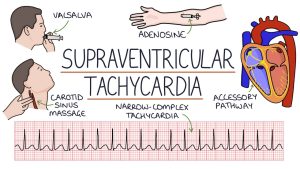
SUPRAVENTRICULAR TACHYCARDIA
Supraventricular tachycardia. Your higher heart chambers are where the rapid heartbeat known as supraventricular tachycardia (SVT) begins. Sending adequate blood to your body is difficult when your heart beats too quickly when you’re at rest. Hours or seconds may pass during an episode. An excessively rapid heartbeat prevents your heart chambers from filling with blood before they constrict.
SUPREVENTRICULAR TACHYCARDIA
This type of arrhythmia (abnormal cardiac rhythm) is quite prevalent. SVT is characterized by an excessively rapid heartbeat that originates in the upper chambers of the heart. Symptoms like dizziness or chest pain may or may not be present. While you may be able to manage certain symptoms on your own, you may require medication or surgery.
Symptoms
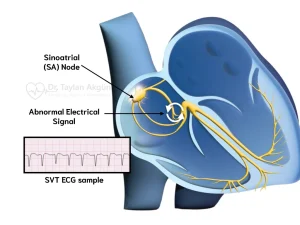
With SVT, you may not exhibit any symptoms. Even though you may not be aware of it, your heart beats over 100 times per minute when you’re at rest.
Chest pain is another indication of supraventricular tachycardia. feeling worn out. feeling dizzy. Sweating. being lightheaded. fainting.
experiencing fluttering in your chest, or palpitations.
experiencing dyspnea, or shortness of breath.
Mild to severe symptoms are possible.
Causes
SVT is brought on by an issue with the electrical signals or circuitry in your heart. Some individuals might not know what triggers their symptoms. Some people have a distinct “trigger” that initiates their SVT. Stress is one of the factors that might produce symptoms of supraventricular tachycardia. Caffeine. drinks that contain alcohol. smoke from cigarettes. Exercise. a lack of sleep. Dehydration.
Treatments
Treatments at home
First, try one of these:
Lay down.
Lay a cool towel across your face.
Cough.
SVT medications
A number of medications can lower your heart rate:
Adenosine.
Atropine.
Beta-blockers.
blockers of calcium channels.
Digoxin, or digitalis.
blockers of potassium channels.
Prevention
If SVT stems from modifiable factors, you can: Control your stress.
Reduce your intake of alcoholic beverages.
Give up using tobacco products.
Reduce your intake of caffeine-containing beverages like coffee.
Get more sleep.
Additionally, you should continue taking the medication that your doctor ordered.
Summary
Feeling that anything is wrong with your heart is both irritating and worrisome. However, you are headed toward a resolution as soon as you receive a diagnosis of SVT. Find out which treatment is best for you by speaking with your healthcare professional. You might be able to alleviate discomfort with easy actions. Make sure you continue taking your medications as directed and attend your follow-up appointments.


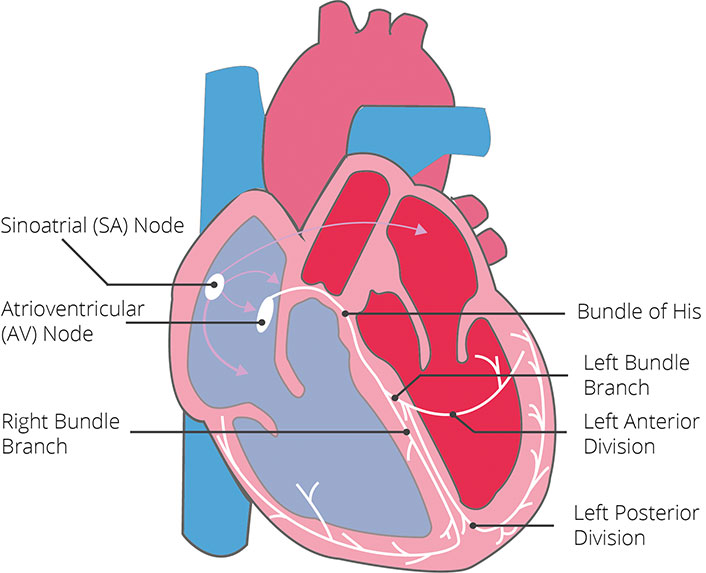
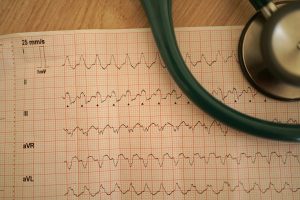
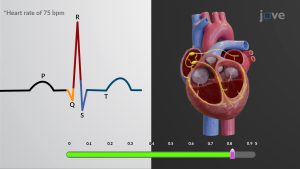
 Electrocardiogram and heart. Using electrodes applied to the skin to produce wavy lines that illustrate how electricity flows through the heart, an electrocardiogram (ECG or EKG) is a fast, painless test that records your heart’s electrical signals to check its rhythm and general health. This helps doctors diagnose conditions like arrhythmias, heart attacks, artery problems, or pacemaker function. Although a normal ECG can not always rule out serious underlying disease, it traces the electrical impulses of the heart from the atria (P wave) to the ventricles (QRS complex and T wave), revealing whether the heart beats too quickly, too slowly, or irregularly.
ELECTROCARDIOGRAM AND HEART
By detecting signals from electrodes applied to your skin, an electrocardiogram (ECG or EKG) is a quick, painless test that records your heart’s electrical activity and displays its rate and rhythm. It can be used to diagnose arrhythmias, heart attacks, coronary artery blockages, and pacemaker malfunctions. With patterns like P waves (atrial activity), QRS complexes (ventricular activity), and T waves (ventricular recovery), it is an essential tool for evaluating heart health.
Electrocardiogram and Heart
Although, an Electrocardiogram (ECG) is a medical test that measures the electrical activity of the heart. It’s a crucial tool in diagnosing various heart conditions and monitoring heart health. The heart generates electrical impulses that regulate its beats, and an ECG records these impulses as they travel through the heart muscle.
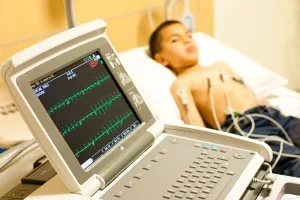
The test involves placing electrodes on the skin at specific points on the chest, arms, and legs. These electrodes detect the electrical signals produced by the heart and transmit them to a machine, which then records the data as a series of waves on a graph. Each wave corresponds to different phases of the heart’s activity, such as the contraction of the atria and ventricles.
Electrocardiogram (ECG) Explained;
Electrocardiogram and Heart
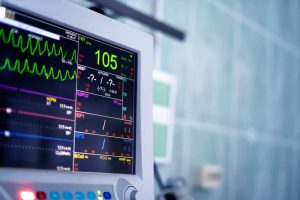
However, healthcare providers use Electrocardiogram (ECG) to detect abnormal heart rhythms (arrhythmias), assess the heart’s overall function, and identify issues like heart attacks or electrolyte imbalances. The test is non-invasive, painless, and typically takes only a few minutes to perform.
Electrocardiogram and Heart
Also, there are different types of ECGs, including resting ECGs, stress tests, and Holter monitoring, which is a 24-hour continuous recording. While a standard Electrocardiogram (ECG) provides a snapshot of the heart’s activity at a specific moment, more extended monitoring may be required to capture irregularities that do not occur consistently.
Summary
In conclusion, an ECG is a crucial diagnostic tool in cardiology, offering crucial information about heart health and directing therapeutic choices.
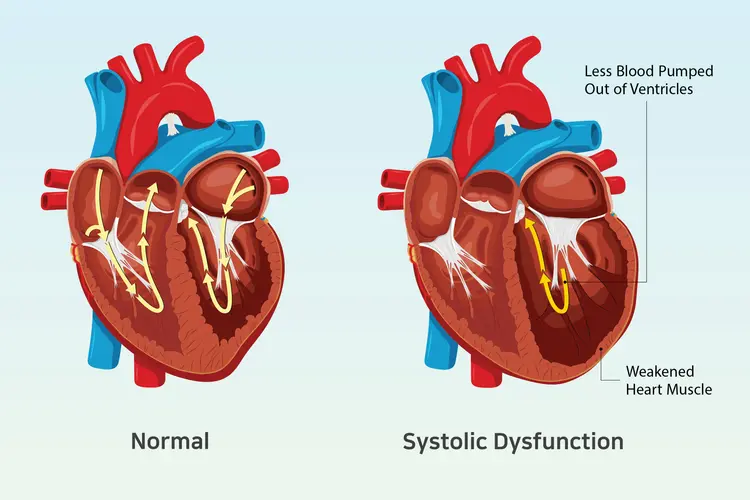
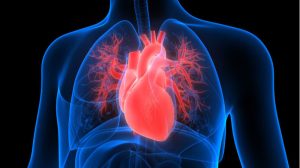
Heart failure management. This is a complicated illness that needs to be carefully managed in order to avoid complications and preserve quality of life. Despite being a devastating diagnosis, many people with heart failure enjoy active, satisfying lives when they receive the proper care and make lifestyle changes. For a complete assessment and the right treatment, it’s critical to consult a doctor if you or a loved one is exhibiting heart failure symptoms.
HEART FAILURE MANAGEMENT
Although the heart isn’t abruptly stopping, heart failure is characterized by symptoms including exhaustion, shortness of breath, and swelling in the legs, feet, and belly owing to fluid buildup. Although it can have an abrupt onset (acute), it is typically a chronic illness treated with medication, lifestyle modifications, and occasionally surgery. One or both sides of the heart may be affected, and causes include heart muscle damage (heart attack, high blood pressure) or valve issues.
Causes;
Heart failure typically results from conditions that damage or overwork the heart muscle, such as:
1. Coronary Artery Disease (CAD): CAD is the most common cause of heart failure. It occurs when the arteries supplying blood to the heart become narrowed or blocked, reducing blood flow and oxygen to the heart muscle.
2. High Blood Pressure: Persistent high blood pressure forces the heart to work harder to pump blood, eventually weakening the heart muscle.
3. Heart Attack: A heart attack, caused by a blocked artery, damages the heart muscle, reducing its ability to pump effectively.
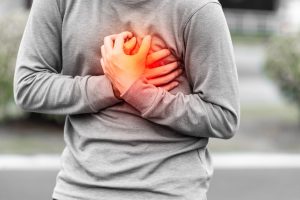
4. Cardiomyopathy: This is a disease of the heart muscle that can be inherited or caused by factors such as alcohol abuse, infections, or the use of certain drugs.
5. Valve Diseases: Faulty heart valves can lead to heart failure by making the heart work harder to pump blood.
Symptoms;
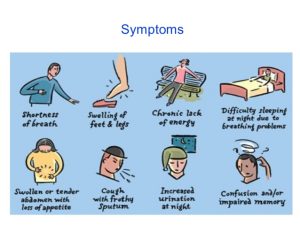
The symptoms of heart failure can vary depending on the severity of the condition but often include:
– Shortness of Breath: This may occur during physical activity or even at rest, particularly when lying flat.
– Fatigue: Constant tiredness and weakness are common as the heart struggles to supply enough blood to the body.
– Swelling (Edema): Fluid buildup in the legs, ankles, feet, or abdomen can occur due to the heart’s reduced ability to
pump blood effectively.
Heart failure management.
– Persistent Coughing or Wheezing: This may be accompanied by white or pink-tinged phlegm, a sign of fluid buildup in the lungs.
– Rapid or Irregular Heartbeat: The heart may beat faster or irregularly as it attempts to compensate for its reduced pumping ability.
Treatment:
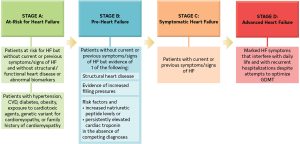
Heart failure management.
1. Medications:
Various drugs are used to manage heart failures, including diuretics to reduce fluid buildup, ACE inhibitors or ARBs to lower blood pressure, and beta-blockers to reduce the heart’s workload.
2. Lifestyle Changes:
Adopting a heart-healthy lifestyle is crucial. This includes reducing salt intake, maintaining a healthy weight, engaging in regular physical activity, and avoiding alcohol and tobacco.
3. Surgical Procedures:

Heart failure management.
In some cases, surgery may be necessary to treat underlying causes of heart’s failure, such as repairing or replacing a damaged heart valve, or implanting a device to help the heart pump more effectively.
Summary
The inability of the heart to pump blood effectively enough to meet the body’s needs is known as heart failure, a chronic, progressive ailment. Heart failure does not imply that the heart has completely stopped functioning, despite its name. Rather, it shows that the heart is having difficulty carrying out its essential function, which can result in a number of symptoms that have a substantial negative influence on quality of life.
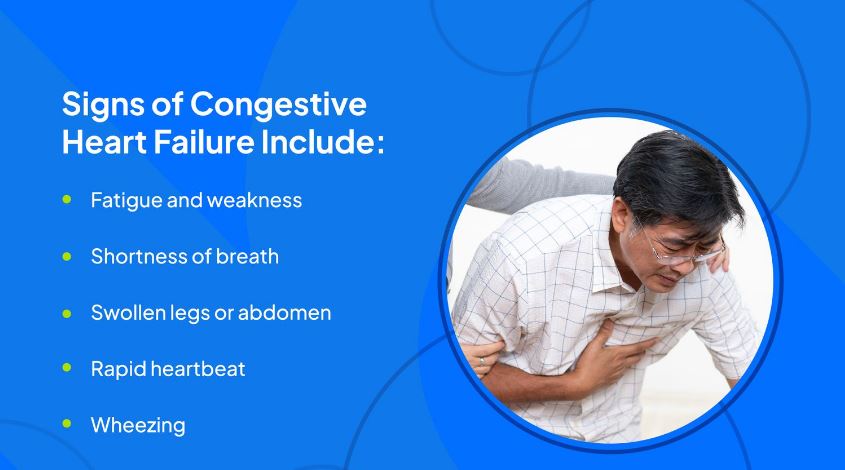
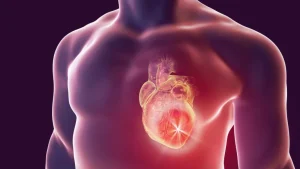
Heart failure early signs. A variety of symptoms and possible complications result from heart failure, which is caused by the heart’s inability to pump blood efficiently. For the condition to be managed and results to be improved, early detection is essential. Early detection of heart failure symptoms can help with prompt medical intervention and therapy. For a timely diagnosis and efficient treatment, it is crucial to identify the early indicators of heart failure, which include shortness of breath, exhaustion, swelling, coughing, irregular heartbeat, and weight gain. For people with heart failure, prompt intervention can greatly enhance their quality of life and health outcomes.
HEART FAILURE EARLY SIGNS
Heart failure is a chronic illness in which the heart muscle is unable to pump enough blood to meet the body’s oxygen needs. As a result, blood backs up in the body and lungs, causing symptoms like weariness, shortness of breath, and leg edema. Although not a quick fix, it’s a dangerous state brought on by diseases like high blood pressure or coronary artery disease that is frequently treated with drugs, gadgets, lifestyle modifications, and even surgery in an effort to reduce symptoms and enhance quality of life.
Common Early Signs;
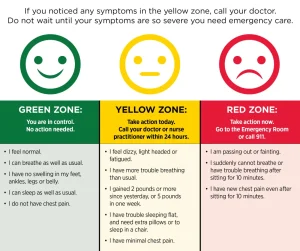
One of the most common early symptoms is shortness of breath, which may occur during physical activity or even while at rest. This is due to fluid buildup in the lungs (pulmonary congestion) and reduced efficiency of the heart’s pumping action.
2. Fatigue and Weakness:
Individuals with early heart failure often experience unusual fatigue and weakness. This occurs because the heart’s reduced capacity to pump blood efficiently leads to decreased oxygen and nutrient delivery to tissues and muscles.
3. Swelling in the Extremities:

HEART FAILURE EARLY SIGNS
Swelling, or edema, in the legs, ankles, or feet can be an early sign of heart failure. Fluid accumulation occurs when the heart’s reduced pumping ability causes fluid to build up in the lower extremities.
4. Persistent Cough or Wheezing:
A chronic cough or wheezing, especially when lying down, may be indicative of fluid accumulation in the lungs. This symptom often worsens at night and can be mistaken for other respiratory conditions.
5. Rapid or Irregular Heartbeat:
HEART FAILURE EARLY SIGNS
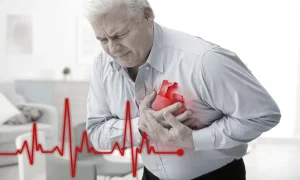
An early sign of heart failure can be a noticeable increase in heart rate or irregular heartbeats. This occurs as the heart struggles to maintain adequate circulation and compensates for its reduced pumping efficiency.
6. Unexplained Weight Gain:
Sudden or unexplained weight gain, particularly if it is rapid, can result from fluid retention. Monitoring weight changes can help identify early fluid buildup associated with heart failure.
Importance of Early Detection;
HEART FAILURE EARLY SIGNS
Early recognition of these symptoms allows for timely medical evaluation and intervention. If heart failure is suspected, a healthcare provider may perform diagnostic tests such as blood tests, echocardiograms, or chest X-rays to confirm the diagnosis and determine the appropriate treatment plan.
Treatment;
Managing heart failure typically involves lifestyle changes, medications, and sometimes medical procedures. Treatments aim to reduce symptoms, improve heart function, and address the underlying causes of the condition. Key aspects of management include:
– Medications: To help reduce fluid buildup, improve heart function, and manage symptoms.
– Lifestyle Changes: Such as reducing salt intake, monitoring fluid intake, and engaging in regular physical activity.
– Regular Monitoring: To track symptoms and adjust treatment as needed.
Summary
Fatigue, shortness of breath (particularly when lying down or engaging in physical activity), edema in the legs, ankles, and feet, rapid weight gain from fluid, and a persistent cough are common early indicators of heart failure because the heart’s inability to pump enough blood results in fluid backup and decreased oxygen delivery. Other symptoms include a fast or erratic heartbeat, trouble exercising, and occasionally cognitive problems including disorientation.

Exam success tips for waec

Tips for jamb success

Plastic water bottle hazards

A Step-by-Step Guide to Deleting Reels on Instagram

A Comprehensive Guide to Setting Up a YouTube Premiere

How to Create a WhatsApp Group
-

 Social media2 weeks ago
How to Delete Reels on IG
-

 Social media1 week ago
Tips for likes and Followers on Facebook
-
 Social media1 week ago
Guidelines for Creating a Facebook Page
-
 Social media1 week ago
Tips on how to Archive Instagram Post
-

 Photography1 week ago
Photography and Outdoors
-

 Social media2 weeks ago
Guidelines for Uploading Videos on Youtube