Exercise
Muscle Training Exercises

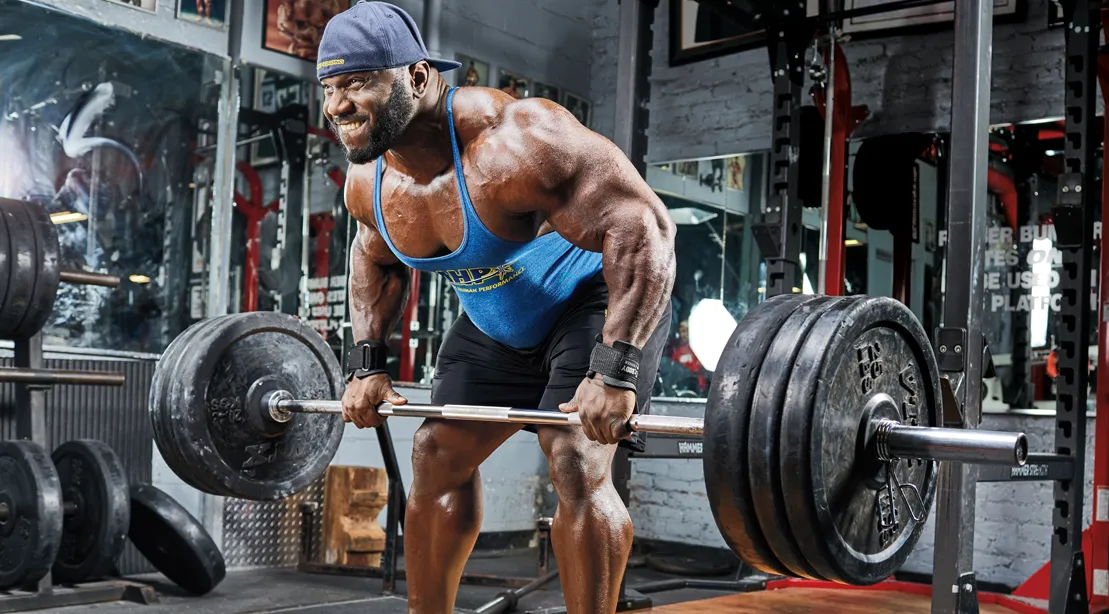
Muscle training exercises. You may gain strength, develop muscle, and enhance your general fitness by include these crucial strength training activities in your training regimen. Keep in mind to start with modest weights, concentrate on good form, and gradually increase the intensity of your workouts. These exercises can provide you a thorough full-body workout to help you reach your fitness objectives, whether you’re working out at home or in a gym.
MUSCLE TRAINING EXERCISES
An essential part of a comprehensive fitness program is strength training. In addition to aiding in muscle growth, it also increases bone density, speeds up metabolism, and enhances general physical performance. Including a range of strength training routines can offer comprehensive benefits, regardless of your level of experience as a fitness enthusiast. Here are some fundamental strength training exercises you can do to build muscle and improve your strength.
1. Squats;

MUSCLE TRAINING EXERCISES
Squats are a fundamental lower body exercise that targets the quads, hamstrings, glutes, and core.
How to Do It:
– Stand with your feet shoulder-width apart.
– Lower your body by bending your knees and hips, keeping your back straight and your chest up.
– Go down until your thighs are parallel to the floor.
– Push through your heels to return to the starting position.
– Perform 3 sets of 10-15 repetitions.
Benefits:
Squats enhance lower body strength, improve balance, and boost overall muscle endurance.
2. Deadlifts;
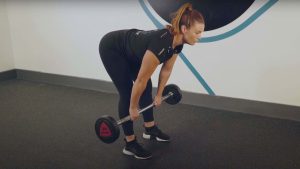
Deadlifts are a compound exercise that targets the entire posterior chain, including the back, glutes, hamstrings, and core.
How to Do It:
– Stand with your feet hip-width apart, with a barbell in front of you.
– Bend at the hips and knees to grasp the barbell with an overhand grip.
– Keep your back straight and lift the barbell by straightening your hips and knees.
– Lower the barbell back to the ground in a controlled manner.
– Perform 3 sets of 8-12 repetitions.
Benefits:
Deadlifts increase overall strength, improve posture, and enhance functional movement patterns.
3. Bench Press;
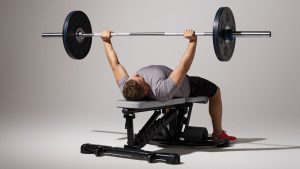
The bench press is a classic upper body exercise that targets the chest, shoulders, and triceps.
How to Do It:
– Lie on a bench with your feet flat on the floor.
– Grip the barbell with your hands slightly wider than shoulder-width apart.
– Lower the barbell to your chest, keeping your elbows at a 45-degree angle.
– Press the barbell back up to the starting position.
– Perform 3 sets of 8-12 repetitions.
Benefits:
The bench press builds upper body strength, enhances muscle mass, and improves pushing power.
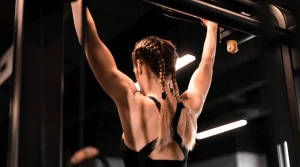
4. Pull-Ups;
MUSCLE TRAINING EXERCISES
Pull-ups are an excellent bodyweight exercise that targets the back, shoulders, and biceps.
Benefits:
Pull-ups enhance upper body strength, improve grip strength, and develop a muscular back.
5. Lunges;
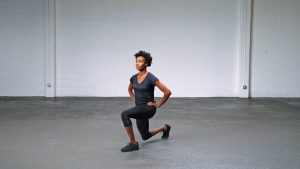
Lunges are effective for targeting the quads, hamstrings, glutes, and calves.
Benefits:
Lunges improve leg strength, enhance balance, and increase hip flexibility.
6. Planks;
Planks are a core-strengthening exercise that also engages the shoulders, back, and glutes.
Benefits:
Planks improve core stability, enhance posture, and increase overall muscular endurance.
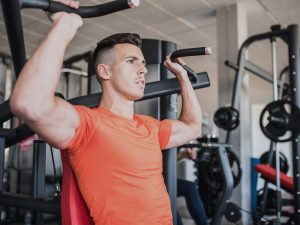
7. Shoulder Press;
MUSCLE TRAINING EXERCISES
The shoulder press targets the deltoids, triceps, and upper chest..
Benefits:
The shoulder press builds upper body strength, improves shoulder stability, and enhances muscle definition.
Summary
Strength training routines include compound motions like squats, deadlifts, and push-ups, as well as isolation workouts such as bicep curls and triceps extensions. These workouts can be done at home or at a gym and can be performed with bodyweight, free weights, resistance bands, or machines.


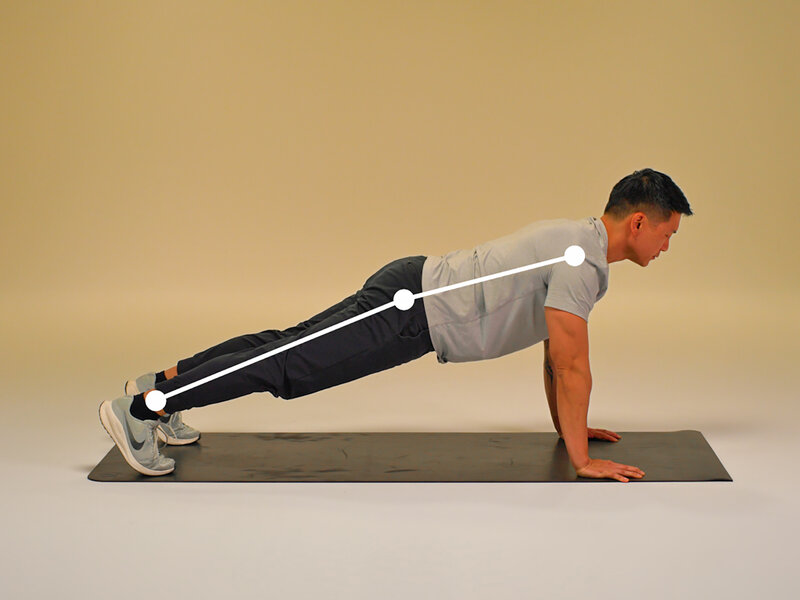
Pushups tips. These are great ways to strengthen your upper body and core. You may maximize your pushup practice and reach your fitness objectives by using variations and progressions along with perfect form. To avoid getting hurt, always pay attention to your body and refrain from pushing through discomfort.
PUSHUPS TIPS
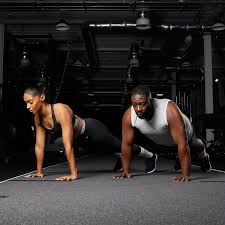
A basic bodyweight exercise that strengthens the upper body and core muscles is the pushup. To get the most out of pushups and avoid injury, good form is essential. Here’s a detailed tutorial on performing pushups correctly:
Preparation and Setup
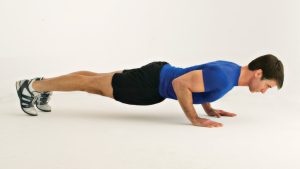
1. Find a Suitable Surface:
• Choose a flat, stable surface, such as a mat or floor, to perform your pushups.
2. Warm Up:
• Perform a light warm-up to prepare your muscles and joints. Consider doing dynamic stretches or light cardio for 5-10 minutes.
Starting Position;
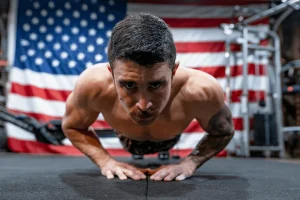
1. Hands and Feet Placement:
– Place your hands slightly wider than shoulder-width apart on the floor.
– Your fingers should be pointing forward, and your wrists aligned under your shoulders.
– Extend your legs straight back, with your feet together or slightly apart for stability.
– Your body should form a straight line from your head to your heels, avoiding any sagging or arching of the back.
2. Engage Core Muscles:
– Tighten your core muscles to keep your body rigid.
– Maintain a neutral neck position by looking slightly ahead of you, not down.
Performing the Pushups
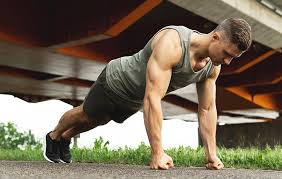
1. Lowering Phase:
– Inhale as you begin to lower your body.
– Bend your elbows and keep them at a 45-degree angle to your body, not flaring out to the sides.
– Lower your chest towards the floor, keeping your body in a straight line.
– Aim to bring your chest just above the floor, with your elbows at about a 90-degree angle.
2. Pushing Up Phase:
– Exhale as you push through your hands to straighten your arms and return to the starting position.
– Keep your core engaged and maintain the straight line from head to heels throughout the movement.
– Avoid locking your elbows at the top of the movement.
Tips for Proper Form;
– Breathing: Inhale on the way down and exhale on the way up to ensure proper oxygen flow and core engagement.
– Controlled Movement: Perform the movement slowly and with control to maximize muscle engagement and prevent injury.
– Body Alignment: Keep your body in a straight line, avoiding any sagging of the hips or arching of the back.
– Elbow Position: Keep your elbows at a 45-degree angle to your body to protect your shoulder joints.
Modifications and Variations of pushups;
Pushups tips
1. Knee Pushups:
– If standard pushups are too challenging, start with knee pushups.
– Begin in the same position but lower your knees to the ground while keeping your body straight from head to knees.
– Perform the pushup movement as described.
2. Incline Pushups:
– Perform pushups with your hands on an elevated surface, such as a bench or step.
– This reduces the amount of body weight you need to lift, making it easier.
3. Decline Pushups:
– Place your feet on an elevated surface while keeping your hands on the ground.
– This increases the difficulty by adding more body weight to the movement.
4. Wide-Grip Pushups:
Pushups tips
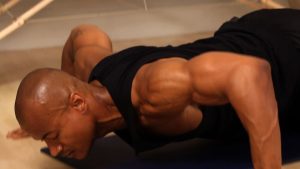
– Place your hands wider than shoulder-width apart to target the chest muscles more intensely.
5. Diamond Pushups:
– Place your hands close together under your chest, forming a diamond shape with your thumbs and index fingers.
– This variation targets the triceps and inner chest.
Summary
Push-ups must be treated as a moving plank in order to be mastered. Maintaining a firm core, tucking your elbows at a 45-degree angle, and using your entire range of motion are the most important pointers for optimal form and injury avoidance.
Tips for effective plank exercise. Plank exercises are a flexible and efficient method of strengthening and stabilizing the core. You may get the most out of your plank exercise by using variations and progressions along with correct form. To avoid getting hurt, always pay attention to your body and refrain from pushing through discomfort. Planks can be a beneficial addition to your exercise routine if you are consistent and committed.
TIPS FOR EFFECTIVE PLANK EXERCISE
One of the best exercises for increasing endurance, stability, and core strength is the plank. It works the back, shoulders, legs, and abdominals, among other muscle groups. It’s crucial to execute the plank correctly to get the most out of it and avoid damage. Here is a thorough tutorial on performing plank exercises correctly:
Preparation and Setup for plank exercise;
1. Find a Suitable Surface:
– Choose a flat, stable surface like a mat or the floor to perform your planks.
2. Warm Up:
• Warm up with light cardio or dynamic stretches for 5-10 minutes to prepare your muscles and joints.
Basic Forearm Plank exercise
1. Starting Position:
– Begin by lying face down on the mat.
– Place your forearms on the ground with your elbows directly beneath your shoulders.
– Your forearms should be parallel to each other, with hands flat on the floor or fists clenched.
– Extend your legs straight back, with your toes tucked under and feet hip-width apart.
2. Engage Core and Lift:
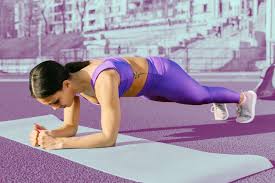
– Engage your core muscles by drawing your navel towards your spine.
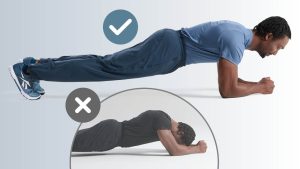
– Lift your body off the ground, creating a straight line from your head to your heels.
– Ensure your hips are not sagging or piking up; maintain a neutral spine.
3. Hold the Position:
– Hold this position for as long as you can while maintaining proper form.
– Keep your head in a neutral position by looking slightly ahead of you, not down.
– Breathe steadily throughout the hold.
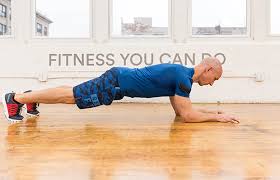
Tips for Proper Form;
Tips for effective plank exercise
– Body Alignment: Ensure your body forms a straight line from head to heels. Avoid letting your hips drop or rise too high.
– Elbow and Shoulder Alignment: Keep your elbows directly under your shoulders to avoid unnecessary strain on your shoulders.
– Core Engagement: Actively engage your core muscles to support your lower back and maintain stability.
– Breathing: Breathe steadily and avoid holding your breath.
Modifications and Variations
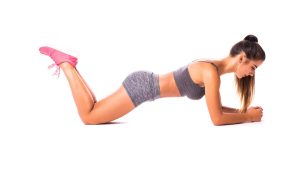
1. Knee Plank:
Tips for effective plank exercise
– If the standard plank is too challenging, start with a knee plank.
-Perform the same steps as the forearm plank but keep your knees on the ground.
– Ensure your body forms a straight line from head to knees.
2. High Plank (Straight Arm Plank):
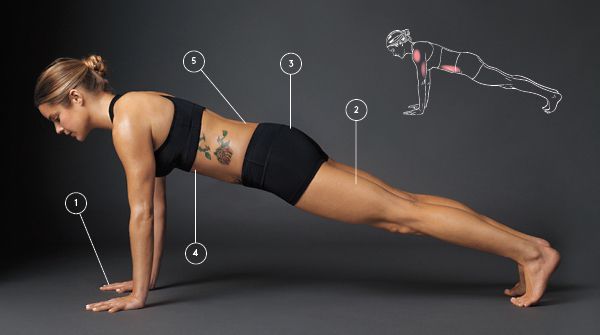
– Begin in a push-up position with your hands directly under your shoulders.
– Extend your legs back, keeping your body in a straight line.
– Engage your core and hold the position.
3. Side Plank:
– Lie on your side with your legs extended.
– Prop yourself up on one forearm, with your elbow directly under your shoulder.
– Stack your feet on top of each other and lift your hips to form a straight line from head to feet.
– Hold the position and then switch sides.
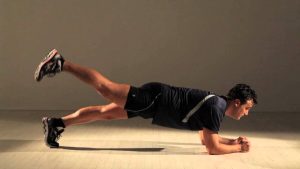
4. Plank with Leg Lift:
Tips for effective plank exercise
– Start in a standard forearm or high plank position.
– Lift one leg off the ground, keeping it straight and in line with your body.
– Hold for a few seconds, then switch legs.
Summary
Holding a position is not enough for an effective plank; full-body tension is needed. To get the best effects, bring your belly button inside while taking deep, steady breaths, clench your glutes and quadriceps, and align your body in a straight line from head to heels.
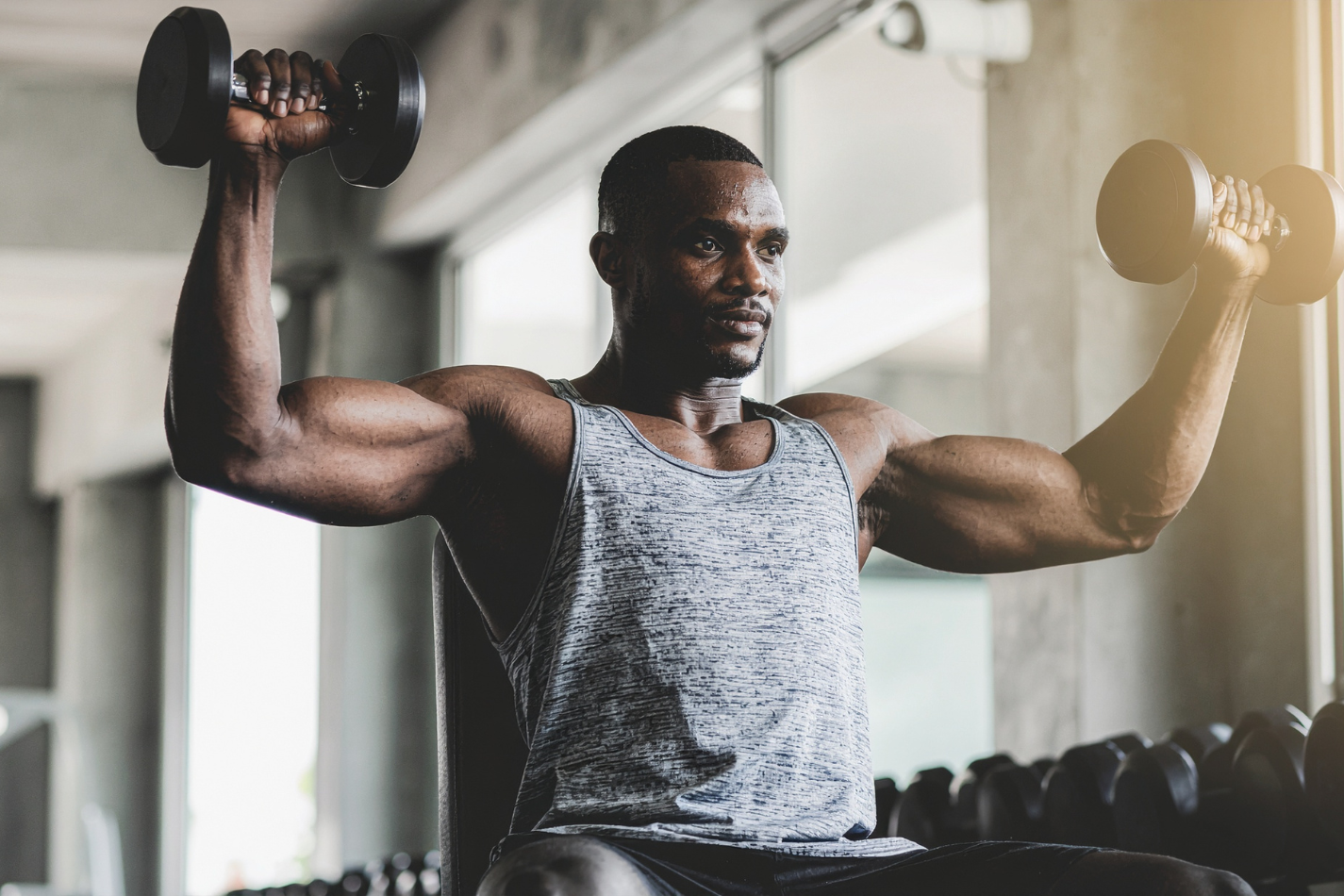
workout and dumbbell exercise. They that are effective use a variety of compound movements to increase functional strength, improve posture, and build muscle. Goblet squats, bent-over rows, shoulder presses, lunges, and floor presses are important exercises that can be arranged into split or full-body programs. Three to four sets of eight to fifteen repetitions make up a normal workout, with an emphasis on control and steady tension.
WORKOUT AND DUMBBELL EXERCISE
Exercises using only your bodyweight can help you gain strength and fitness without the need for extra weights. They frequently require no additional equipment at all. These exercises are simple to perform anywhere—at home, at the gym, or over your lunch break—because they emphasize utilizing only your own body weight to push your muscles.
1. Dumbbell Overhead Press;
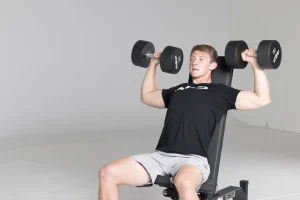
This versatile exercise targets your shoulders, triceps, and upper chest—three important areas that greatly contribute to your overall strength and physique—and provides a thorough upper body workout
How to do it:
- With your hands facing each other, hold a dumbbell in each hand slightly outside of your shoulders.
- When you reach a perfectly straight arm position, press the weights straight overhead.
- Lower them back down gradually
2. Dumbbell Lunges;
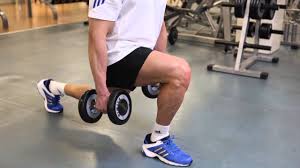
Lunges with dumbbells are a great lower body workout that have several health benefits. These exercises are an excellent illustration of a functional fitness program since they are challenging and practical at the same time because they mimic human movement patterns. The large muscular areas in front of your thighs called quadriceps are most affected by dumbbell lunges. Your quadriceps, which are highly stimulated muscles that support and propel your body, are activated when you step forward into a lunge. This workout improves the strength and resilience of your lower body by strengthening and conditioning your quadriceps.
How to do it:
- Hold a dumbbell in each hand and stand erect.
- Step forward with one leg, bending your front knee to a straight angle as you lower yourself.
- Repeat with the second leg, pushing yourself back up to the starting position.
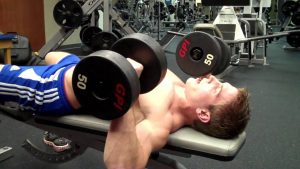
3. Dumbbell Bench Press;
workout and dumbbell exercise
However, a traditional chest exercise that has withstood the test of time, the dumbbell bench press is a staple in any strength training or bodybuilding program. Because it works so effectively at building the pectoralis major, the big muscle group in the chest, its popularity is well-deserved. But this workout does more than just tone your chest; it has other advantages as well.
How to do it:
- Hold a dumbbell in each hand as you lie faceup on a bench.
- Raise the weights until your arms are completely extended, then gradually bring them back down.
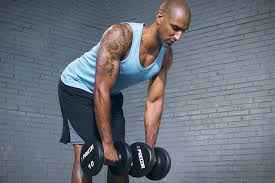
4. Dumbbell Deadlift;
workout and dumbbell exercise
Also, one of the best full-body workouts is the dumbbell deadlift, which is well known for its ability to increase muscular mass, strength, and power. This amazing exercise program covers a wide range of main muscle groups, making it an extremely comprehensive workout. Your posterior chain—which includes your back, glutes, and legs, particularly the hamstrings and quadriceps—is the main target, providing a strenuous lower-body exercise
How to do it:
- Stand with a dumbbell in each hand, palms facing towards your body.
- Bend at your hips and knees, lowering the weights to the floor without altering the arch in your back.
Summary
A dumbbell workout is a type of strength training that builds muscle, strength, and bone density by adding resistance to movements using handheld, weighted bars, or dumbbells. These adaptable, free-weight exercises enable full-body workouts at home or at the gym by focusing on individual muscles (isolation) or many joints simultaneously (compound).

Teenage girls fashion guide

Review for La Vie Est Belle

Reviewing Dior J’adore

A Step-by-Step Guide to Deleting Reels on Instagram

A Comprehensive Guide to Setting Up a YouTube Premiere