
Health
Medicinal Properties Cinnamon

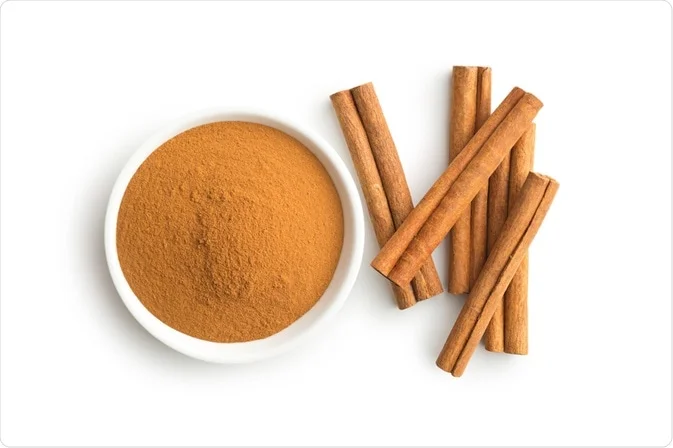
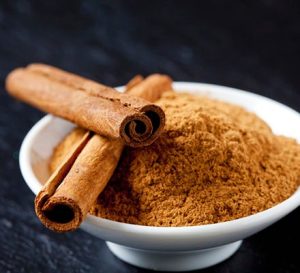
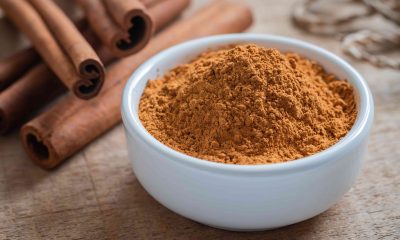
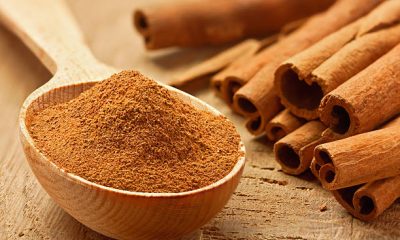
Medicinal properties of cinnamon. Because of its potent therapeutic qualities, cinnamon is a useful natural cure for a number of illnesses. Cinnamon has many uses, including the treatment of respiratory infections, the promotion of heart health, the reduction of inflammation and discomfort, the management of type 2 diabetes, and the support of digestive health. Cinnamon should be used as a supplemental remedy in addition to standard medical advice and treatments, nevertheless. A healthcare professional should always be consulted before beginning a new supplement regimen.
MEDICINAL PROPERTIES OF CINNAMON
Based on its potent therapeutic qualities, cinnamon is a useful natural cure for a number of illnesses. Cinnamon has many uses, including the treatment of respiratory infections, the promotion of heart health, the reduction of inflammation and discomfort, the management of type 2 diabetes, and the support of digestive health. Cinnamon should be used as a supplemental remedy in addition to standard medical advice and treatments, nevertheless. A healthcare professional should always be consulted before beginning a new supplement regimen.
1. Type 2 Diabetes;
Cinnamon is well-regarded for its ability to help manage type 2 diabetes:
– Blood Sugar Control: Cinnamon can lower blood sugar levels by increasing insulin sensitivity, allowing glucose to be used more efficiently by the body.
– HbA1c Reduction: Regular consumption of cinnamon has been shown to reduce HbA1c levels, a long-term marker of blood sugar control.
– Fasting Blood Glucose: Studies indicate that cinnamon can significantly reduce fasting blood glucose levels, making it a valuable supplement for those managing diabetes.
2. Digestive Issues;
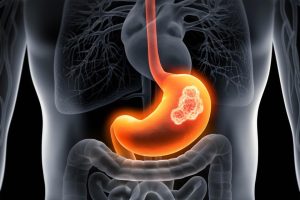
Cinnamon supports digestive health and can alleviate various gastrointestinal problems:
– Indigestion and Bloating: Cinnamon stimulates digestive enzymes, which help break down food and reduce bloating and gas.
– Irritable Bowel Syndrome: The anti-inflammatory properties of cinnamon can help reduce the inflammation and discomfort associated with IBS, leading to more regular bowel movements and less pain.
– Gastroenteritis: Cinnamon’s antimicrobial properties can help fight off bacteria and viruses that cause stomach infections, providing relief from symptoms like diarrhea and cramps.
3. Cure Respiratory Infections;

Cinnamon’s antimicrobial properties make it effective in treating respiratory infections:
– Common Cold and Flu: Cinnamons can help relieve symptoms of the common cold and flu, such as sore throat, cough, and congestion. It works by reducing inflammation and fighting off pathogens.
– Bronchitis: The anti-inflammatory and expectorant properties of cinnamons can help ease the symptoms of bronchitis by reducing mucus production and soothing inflamed airways.
– Sinusitis: Cinnamon’s antimicrobial effects can help clear sinus infections, providing relief from sinus pressure and congestion.
4. Enhances Heart Health;

medicinal properties of cinnamon
Cinnamons contributes to cardiovascular health in several ways:
– Cholesterol Reduction: Cinnamons can lower levels of LDL (bad) cholesterol and triglycerides while increasing HDL (good) cholesterol, helping to reduce the risk of heart disease.
– Blood Pressure: Cinnamons has been shown to lower blood pressure, particularly in individuals with type 2 diabetes, by relaxing blood vessels and improving circulation.
– Anti-inflammatory Effects: Chronic inflammation is a major risk factor for heart disease. Cinnamon’s anti-inflammatory properties can help reduce inflammation and protect the heart.
5. Inflammation and Pain;

medicinal properties of cinnamon
Cinnamons are effective in reducing inflammation and pain:
– Arthritis: The anti-inflammatory compounds in cinnamons can help reduce the pain and stiffness associated with arthritis. Regular consumption can lead to significant improvements in joint function and comfort.
– Muscle Soreness: Cinnamons can help alleviate muscle soreness and pain caused by exercise or injury. Its anti-inflammatory properties help speed up recovery and reduce discomfort.
– Menstrual cramps:

medicinal properties of cinnamon
Cinnamon can help reduce menstrual pain by relaxing uterine muscles and reducing inflammation. Consuming cinnamon tea or supplements during menstruation can provide relief from cramps and discomfort.
Summary
A well-liked spice with a unique flavor and scent, cinnamon has remarkable therapeutic benefits. Along with other substances that offer a number of health advantages, it contains cinnamon aldehyde.











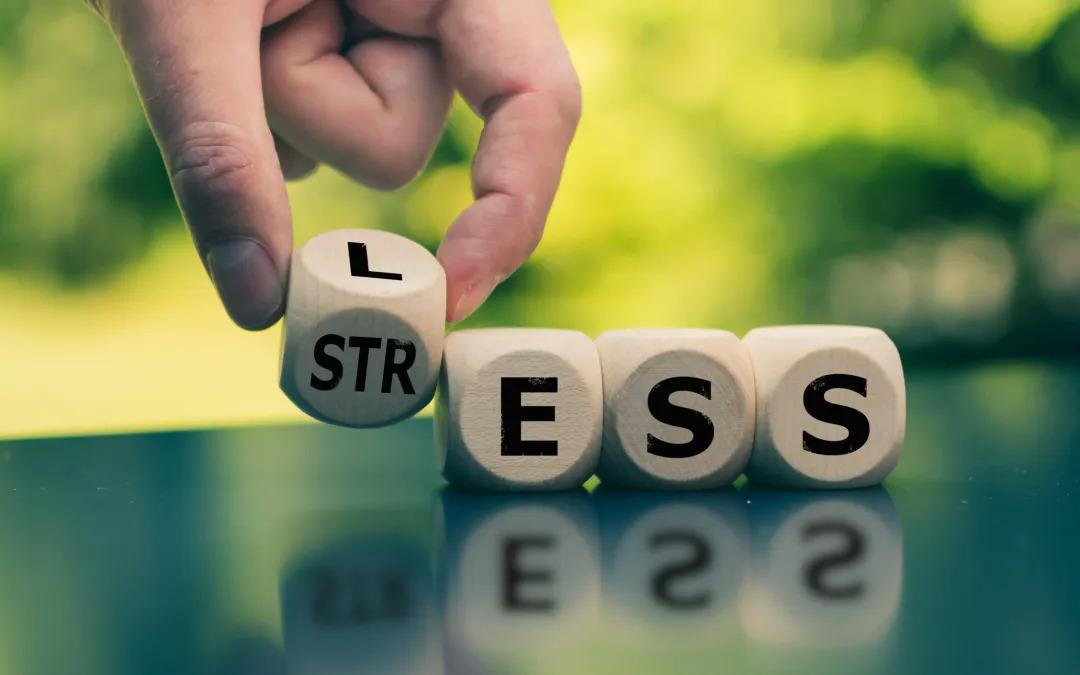
Tips for Emotional stress. Increased cardiovascular risk and aberrant endothelial cell function have been linked to emotional stress, which is defined as psychological strain marked by emotions like anger and anxiety. The definition produced by AI was based on Current Opinion in Pharmacology, 2013.
TIPS FOR EMOTIONAL STRESS
Stressors that people nowadays frequently deal with include pressure from their jobs, their schooling, their health their social lives, their finances, their future plans, and their professional decisions. Many of us suffer stress, which is a form of mental distress or emotional tension in our busy, modern lives. Still, experts say that not all stress stems from bad events. Sometimes, even excellent news can cause unanticipated worry and tension because we obsess over how the news will turn out. Furthermore, in moderation, stress can even improve our performance and help us finish tasks on time. However, some stresses might have potentially fatal consequences
What Causes Emotional Stress?

The only way to successfully manage any kind of stress you’re experiencing is to identify its underlying source. When managing emotional stress, the first challenge is figuring out what’s causing your stress.
Interpersonal connections are among the most frequent factors. Strong internal emotional stress, which has a detrimental effect on their life. While everyone is joyful and hopeful in a good and healthy relationship, dysfunctional partnerships can severely damage the emotions of those involved.
Dealing with Emotional Stress:
Accept Things for What They Are;

It’s unreasonable to think you have control over everything around you; all it does is increase stress. Recognize that life doesn’t always go as planned and that there are circumstance beyond your control. Reducing emotional stress levels requires learning to accept some things for what they are.
Distract Yourself from Emotional Pain:
Many people recommend talking about upsetting and traumatic situations to help cope with emotional discomfort; most of us have tried this with varying degrees of success.This suggestion is mostly correct since suppressing one’s feelings can have detrimental effects on one’s mental and occasionally even physical health. Nevertheless, research indicates that a more effective strategy for managing emotional stress is to divert your attention from emotional suffering and partake in emotionally beneficial activities. You’ll feel better if you do something to divert your attention from your emotional suffering, like going to the movies, working out, or even taking a vacation.
Take Up Meditation:

Tips for Emotional stress
One excellent strategy for managing emotional stress is meditation. Actually, it can aid in your recovery from a number of conditions brought on by stress. Meditating eases emotional strain and refocuses your mind on more beneficial options. Regular meditation can eventually even sharpen your focus and increase your self-assurance.
Diet and Exercise;
Even something as basic as eating a balanced diet helps lower stress levels. Don’t miss meals, at the very least. Even while it makes sense that at a stressful moment, food would be the last thing on your mind, being hungry never makes you feel good. Additionally, keep in mind that a fit body equals a fit mind. Regular light to moderate exercise lowers stress levels, according to studies.
Seek Professional Guidance;

Tips for Emotional stress
If you think it could be helpful, think about seeing a licensed counselor or therapist. A professionally educated therapist or counselor can frequently assist you identifying and resolving the underlying source of your stress, especially if you feel like you’re overwhelmed or that things are only getting worse.
Summary
Tension, either bodily or emotional, is called stress. It can result from anything that causes you to feel anxious, irritated, or frustrated. Your body’s response to a demand or challenge is stress.

Anxiety and stress reduction. Stress and anxiety may be lessened by taking part in self-care-promoting activities. These can include eating a balanced diet, exercising more, and practicing mindfulness. Your general health can be supported by reducing the chronic stress of daily life as much as you can.
ANXIETY AND STRESS REDUCTION
Anxiety is a common occurrence. Concerns about health, finances, education, employment, and family are common. However, anxiety disorders encompass more than just sporadic fear or worry. Anxiety is persistent, present in various contexts, and may worsen over time for those who suffer from these diseases.
Ways to quickly reduce your anxiety and relax:
1. Remember to breathe;

Take a moment to pause and concentrate on deep breathing. Sit up straight, inhale deeply through your nose, hold it for three counts, and then gently release the breath while tensing your abs, shoulders, and face muscles. Your blood pressure will drop and your heart rate will slow down as a result. You should occasionally practice deep breathing so that it comes naturally to you in stressful situations.
2. Take a mental step back;
Try to keep your attention in the present rather than the future as anxiety often centers itself on it. The psychologist and author of Freeing Yourself from Anxiety, Tamar Chansky, Ph.D., advises asking yourself what is going on and whether there is anything that needs to be done immediately. Make the conscious choice to review the matter later in the day, when you are more composed, if nothing needs to be done right now.
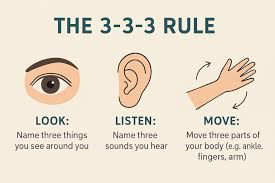
3. Follow the 3-3-3 rule;
Anxiety and stress reduction
This is an easy method to shift your attention. Begin by naming three objects that you can notice while glancing around. Next, pay attention. Which three noises are you aware of? Next, make three movements with your body: flex and release your shoulder, or move your fingers and toes.
4. Physical activity;
Not an athletic or long- distance runner? its probably not the right time to begin intense training. But keep in mind that exercise in any form is healthy for you and can reduce anxiety symptoms.
Walking, yoga, and tai chi are example of mild activity that releases these feel good chemicals. If you can’t get to those right away, do so me stretches at your desk or go for a quick lunchtime stroll outside.
5. Music;

Anxiety and stress reduction
Soothing music is beneficial for persons with mild or severe anxiety, according to a 2015 study. It has been demonstrated that music lowers blood pressure and heart rate. To simply listen to your favourite songs or even the sounds of nature, keep music on hand.
Summary
Create playlists so you can rapidly experience symptom relief by listening to them. Additionally, research shows that singing lowers anxiety by generating oxytocin and endorphins. It appears that being good is not really necessary. Just sing
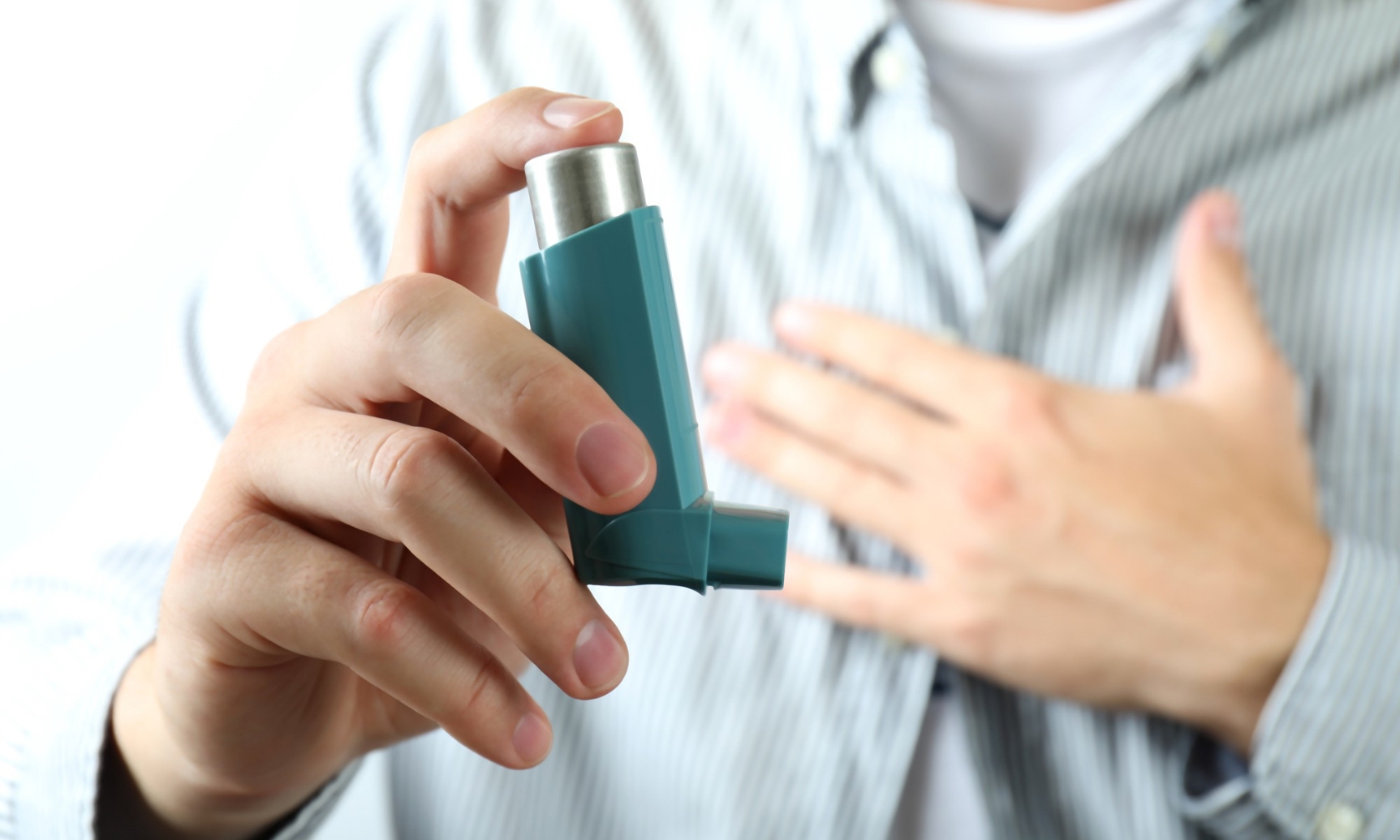
Asthma management tips. People with asthma can successfully manage their symptoms, lessen the frequency of exacerbations, and enhance their quality of life by implementing these management techniques into their everyday lives. Long-term asthma control requires constant collaboration with medical professionals and strict adherence to medication regimens.
ASTHMA MANAGEMENT TIPS
A customized, proactive strategy that combines daily controller medication, quick-relief inhalers for flare-ups, and trigger avoidance is necessary for effective asthma management. A doctor’s documented Asthma Action Plan, which outlines when to take medication, when to raise dosages, and when to seek emergency care, is crucial.
1. Medication Adherence:

• Controller Medications: These medications are taken regularly to prevent asthma symptoms and reduce airway inflammation. They include inhaled corticosteroids, long-acting beta-agonists, leukotriene modifiers, and immunomodulators.
• Reliever Medications: Short-acting beta-agonists (SABAs) are used as rescue medication to relieve acute asthma symptoms and provide quick relief during exacerbations.
2. Asthma Action Plan:
• Develop a personalized asthma action plan with your healthcare provider. This plan outlines daily medication use, steps to take when asthma symptoms worsen, and when to seek emergency care.
3. Avoiding Triggers:
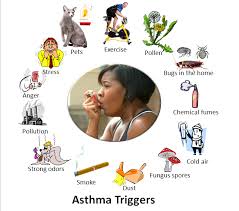
• Identify and minimize exposure to asthma triggers such as allergens (pollen, dust mites, pet dander), air pollution, tobacco smoke, cold air, and respiratory infections.
4. Allergy Management:
• Address underlying allergies that may exacerbate asthma symptoms through allergen avoidance, allergen immunotherapy (allergy shots), or medications such as antihistamines and nasal corticosteroids.
5. Lifestyle Modifications:

Asthma management tips
• Maintain a healthy lifestyle with regular exercise, balanced nutrition, adequate hydration, and sufficient sleep. Exercise-induced asthma can be managed with pre-exercise bronchodilators and warm-up routines.
• Avoid exposure to irritants such as strong odors, chemicals, and air pollutants that can trigger asthma symptoms.
6. Monitoring:
• Use peak flow meters or spirometry to monitor lung function regularly and track asthma symptoms. This helps in early detection of worsening symptoms and adjustment of treatment accordingly.
7. Regular Follow-up:

Asthma management tips
• Schedule regular follow-up appointments with your healthcare provider to assess asthma control, review treatment effectiveness, adjust medication dosages if necessary, and address any concerns or questions.
8. Emergency Preparedness:
• Know how to recognize worsening asthma symptoms and when to seek emergency medical care. Carry a rescue inhaler at all times and ensure family members, caregivers, and school personnel are aware of your asthma action plan.
9. Education and Support:

Asthma management tips
• Educate yourself and your family about asthma management, including medication use, trigger avoidance, and recognizing signs of worsening symptoms. Join support groups or seek counseling to cope with the emotional aspects of living with asthma.
10. Environmental Control:
• Managing asthma requires taking steps to control indoor environmental factors such as dust, mold, and humidity levels. Use mattress and pillow covers, vacuum regularly, and maintain proper ventilation to reduce allergen exposure.
Summary
To control symptoms, avoid exacerbations, and preserve general lung health, asthma management entails a combination of medication, lifestyle modifications, and routine monitoring. The following are some essential asthma control techniques:

Tips for Emotional stress

Anxiety and stress reduction

Face cleansing tips

A Step-by-Step Guide to Deleting Reels on Instagram

A Comprehensive Guide to Setting Up a YouTube Premiere

How to Create a WhatsApp Group
-

 Social media2 weeks ago
How to Delete Reels on IG
-

 Social media2 weeks ago
Tips for likes and Followers on Facebook
-

 Music2 weeks ago
Lyrics for Iké Nilé
-
 Social media2 weeks ago
Guidelines for Creating a Facebook Page
-

 Photography2 weeks ago
Photography and Outdoors
-

 Social media2 weeks ago
Guidelines for Uploading Videos on Youtube