
babies
Babysitting Best Tips

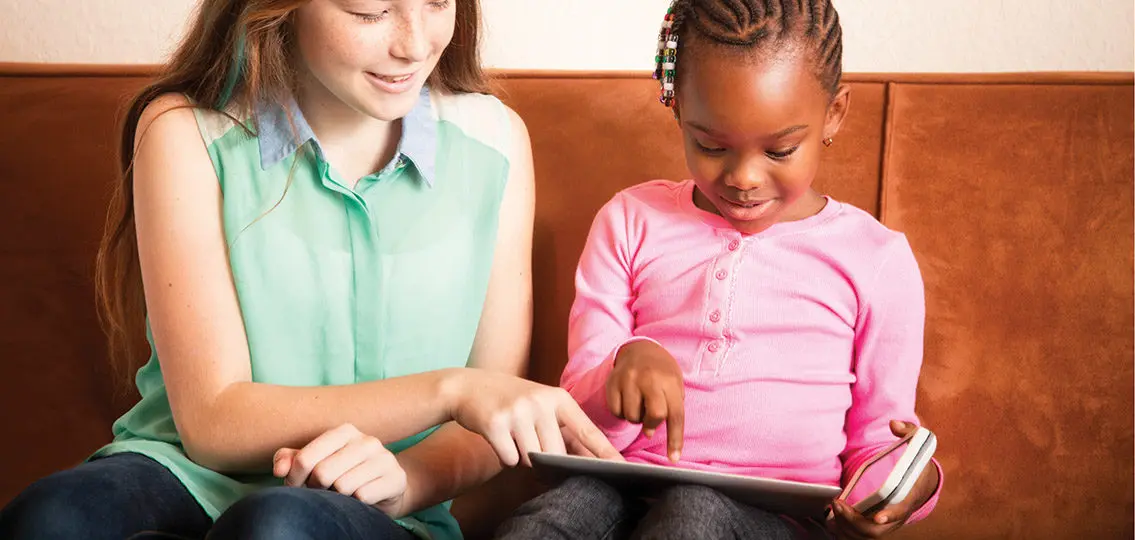
Babysitting best tips. This is a fulfilling profession that calls for commitment, planning, and a proactive attitude to guarantee children’s safety and wellbeing. You may give exceptional care and establish a solid reputation as a dependable and trustworthy babysitter by adhering to these best practices and advice. Your care and attention can have a big impact on the lives of infants, toddlers, and older kids as well as the trust you develop with their families.
BABYSITTING BEST TIPS
The greatest babysitting advice is to ask about the children’s schedule and try to adhere to it, as well as to be ready for safety by obtaining all emergency contact information and learning the fundamentals of first aid. Plan easy activities like constructing a fort or making crafts, play their games, and follow their lead to keep the kids interested.
Getting Started;
1. Obtain Necessary Training:

– First Aid and CPR Certification: Enroll in a certified first aid and CPR course. These skills are crucial in handling emergencies and ensuring the safety of the children.
2. Know the Family and the Children:
– Meet in Advance: Arrange a meeting with the family before your first babysitting job. This allows you to get to know the parents and children, understand their routines, and address any special needs or concerns.
– Learn About Preferences: Ask about the children’s favorite activities, allergies, bedtime routines, and any household rules.
1. Create a Checklist:
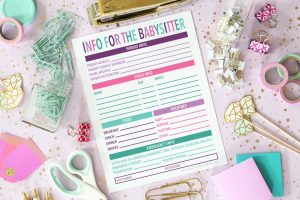
– Emergency Contacts: Have a list of emergency contacts, including parents’ phone numbers, neighbors, and local emergency services.
– Medical Information: Know any medical conditions, allergies, and the location of first aid supplies.
– House Rules: Be aware of any specific household rules regarding screen time, snacks, and bedtime.
2. Bring a Babysitting Kit:
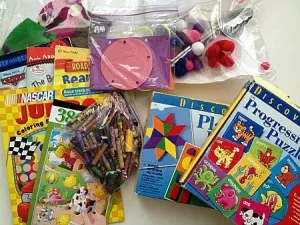
– Entertainment: Pack books, games, and activities that are appropriate for the children’s ages.
– Essentials: Include basic supplies like wipes, tissues, a flashlight, and any personal items you may need.
During the Babysitting Job
1. Keep Children Engaged:
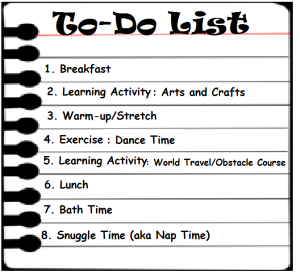
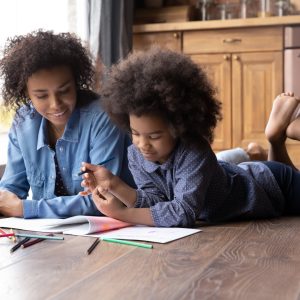
– Interactive Activities: Engage the children in activities such as reading, arts and crafts, and outdoor play. This not only keeps them entertained but also helps build a positive relationship.
– Limit Screen Time: Encourage creative play over screen time. Use electronics sparingly and according to the parents’ guidelines.
2. Ensure Safety at All Times:

– Supervision: Always keep a close eye on the children, especially during playtime and meals. Avoid distractions such as phone calls or social media.
– Safe Environment: Regularly check the environment for potential hazards, such as sharp objects, small toys that could be choking hazards, and open windows or doors.
Handling Emergencies:
1. Stay Calm and Collected:
BABYSITTING BEST TIPS
– Assess the Situation: Quickly evaluate the situation to determine the severity of the emergency.
– Take Action: Administer first aid if needed and contact emergency services immediately. Notify the parents as soon as possible.
2. Know When to Seek Help:
– Non-Emergency Issues: For non-emergency issues, contact the parents or designated emergency contact for advice and assistance.
– Behavioral Problems: If a child exhibits behavioral problems, stay calm and use positive reinforcement and redirection techniques. Avoid physical punishment or harsh language.
Building a Good Reputation
1. Communicate Effectively:

BABYSITTING BEST TIPS
– Feedback: Provide detailed feedback to the parents about the day’s activities, meals, and any incidents. This helps build trust and ensures transparency.
Summary
Being a babysitter is a big job that calls for tolerance, dependability, and a sincere affection for kids. Knowing the best practices and crucial advice may help guarantee a fun and safe experience for both you and the kids you look after, regardless of your level of experience. This is a thorough tutorial to babysitting.
Tips for baby friendly environment. It takes a combination of safety precautions, comfort, stimulation, and hygiene to create a baby-friendly environment. You can make sure that your baby grows up in a safe, caring, and stimulating environment by carefully setting up your home. These precautions not only safeguard the infant but also give caregivers peace of mind, allowing them to concentrate more easily on the delight of raising a happy, healthy child.
TIP FOR BABY FRIENDLY ENVIRONMENT
Welcoming a baby into your home involves more than just providing love and care; it requires creating a safe, stimulating, and nurturing environment. Whether you are a new parent, grandparent, or caregiver, making your space baby-friendly ensures the child’s well-being and fosters their development. Here are some essential tips to help you create a baby-friendly environment.
Safety First;
1. Baby-Proofing:
– Secure Furniture: Anchor heavy furniture, such as bookshelves and TVs, to the wall to prevent tipping.
– Cover Outlets: Use outlet covers to prevent curious fingers from exploring electrical sockets.
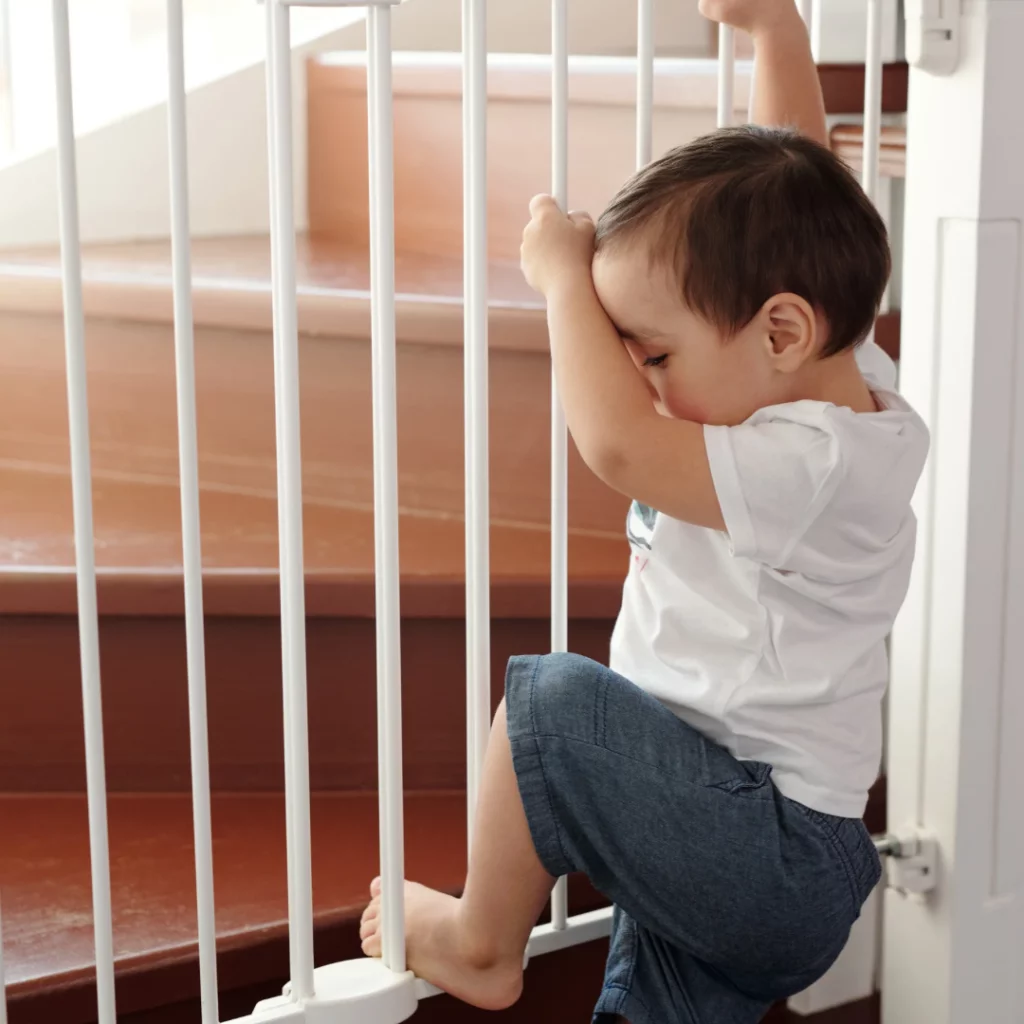
– Install Gates: Place safety gates at the top and bottom of stairs and in doorways to restrict access to potentially dangerous areas.
2. Hazard-Free Spaces:
– Remove Small Objects: Keep small items that could pose choking hazards out of reach.
– Lock Cabinets: Use childproof locks on cabinets containing cleaning supplies, medicines, and sharp objects.
– Check for Hazards: Regularly scan your home for potential hazards, such as loose cords or uncovered sharp corners, and address them promptly.
Comfort and Convenience;
1. Cozy Sleeping Area:
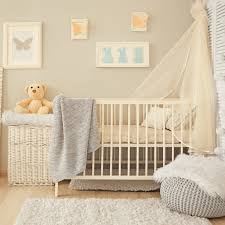
– Safe Crib: Ensure the crib meets safety standards, with a firm mattress and no loose bedding or soft toys.
– Room Temperature: Maintain a comfortable room temperature, typically between 68-72°F (20-22°C), to ensure the baby sleeps well.
2. Accessible Essentials:
– Changing Station: Set up a convenient changing station stocked with diapers, wipes, creams, and a change of clothes.
– Feeding Supplies: Keep feeding supplies, whether bottles, formula, or breastfeeding accessories, within easy reach to make feeding times more manageable.
Stimulating Environment;
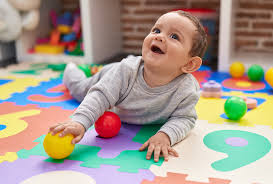
Tips for baby friendly environment
1. Sensory Stimulation:
– Toys and Books: Provide age-appropriate toys and books to stimulate the baby’s senses and support their development.
– Visual and Auditory Cues: Hang colorful mobiles, play soft music, and talk to the baby regularly to enhance their auditory and visual development.
2. Safe Play Area:
– Soft Mats: Create a designated play area with soft mats or rugs to cushion falls and provide a comfortable space for tummy time and crawling.
– Interactive Play: Engage in interactive play with the baby, encouraging movement, exploration, and social interaction.
Health and Hygiene;
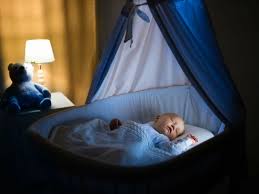
Tips for baby friendly environment
1. Cleanliness:
– Regular Cleaning: Keep the baby’s environment clean by regularly washing toys, bedding, and surfaces.
– Hand Hygiene: Ensure that everyone who handles the baby washes their hands frequently to prevent the spread of germs.
2. Non-Toxic Products:
– Baby-Safe Products: Use non-toxic, hypoallergenic products for cleaning, bathing, and laundry to protect the baby’s sensitive skin.
– Natural Materials: Opt for natural, breathable fabrics for clothing and bedding to minimize the risk of skin irritation.
Summary
The three main foundations of a baby-friendly environment are safe sleep, injury prevention, and sensory development. You should cover electrical outlets, secure heavy furniture, and establish a clear, risk-free area for your child to explore before they start to roll or crawl.
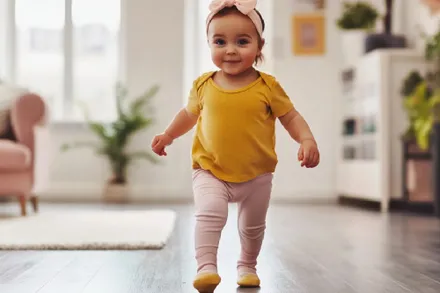
Babies and walking fast. Whether you’re prepared or not, your child will be walking before you realize it. There are several strategies to help your child build the muscles needed to support their body and to gently encourage movement with this new form of transportation. If you are concerned about your child’s development toward this milestone, contact your pediatrician or consider scheduling an evaluation with Early Intervention. But remember that some babies start walking earlier than others, and with patience and persistence, your child will eventually learn to walk.
BABIES AND WALKING FAST
Babies usually start walking at the age of 12 months, though this may happen sooner or later. Like anything else, your child will start to walk on their own schedule. You may still encourage your kid to move and groove regardless of their walking stage. But the key term in this case is staging. Babies need some time to transition from sitting to walking.
1. Make your space babyproofing;
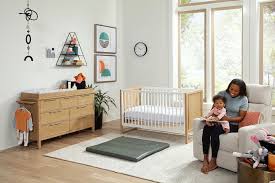
BABIES AND WALKING FAST
Prior to everything else, you must prepare your child for success: Remove any clutter from your flooring that can cause trips and falls. Place breakable ornaments somewhere else. Cover outlets and tangle extra wires. Additionally, if you’re having trouble babyproofing your entire house, consider gating off a safe region of your home that isn’t in danger or closing off rooms that are especially challenging. Encouraging mobility means your baby will be interested in everything that comes their way, even if they aren’t walking yet. In addition to keeping them safe, babyproofing will likely boost your confidence as you go.
2. Start with a solid foundation;
BABIES AND WALKING FAST
It’s a well-known adage that you have to walk before you can run. Well, before you can walk, you have to sit. This basically means that in order to support standing and walking, your infant requires strong core muscles. You might even think about having your infant sit with their feet on the floor on a little stool (or bench, foam roller, or cube chair) under supervision. Ask them to practice moving up, down, and all over by reaching for toys on the ground.
3. Put on your bare feet;
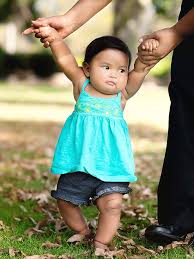
For early walking, shoes are not required. Actually, it can be preferable to initially let your infant to explore their surroundings barefoot. When a baby is starting to walk, they learn a lot from their feet. Their brain modifies the behavior of their muscles and joints in response to the textures they perceive in various surfaces, such as hardwood, carpet, and grass. Naturally, you should make sure there are no items that could hurt your baby’s feet before letting them wander around barefoot.
4. Offer assistance;
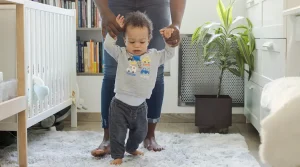
Supporting your child’s trunk rather than their hands is the best way to guide them on a little walking adventure around the living room. Your infant will walk more naturally and not tilt forward onto their toes if you support their trunk. For their lower body to develop a robust pattern of motion, babies must distribute their weight over their entire foot, including the heel.
5. Prepare the scene;
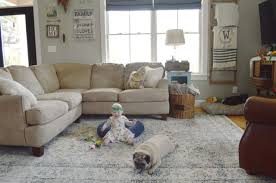
Your infant might want further encouragement to move. Try sitting with them on the floor. Hold out a teddy animal or one of their favorite toys a few paces ahead of them. Consider arranging toys in a trail throughout a room as your baby’s mobility improves to see if they will move from one toy to another. To keep toys fresh, rotate them sometimes.
Summary
You’ll likely accomplish several milestones along the way, such as standing with assistance, standing independently, cruising, taking your first hesitant steps, and walking. Get to know your child in their current location. Playfully point out their flaws while emphasizing their positive traits. However, learning to walk takes time. Don’t rush the process.
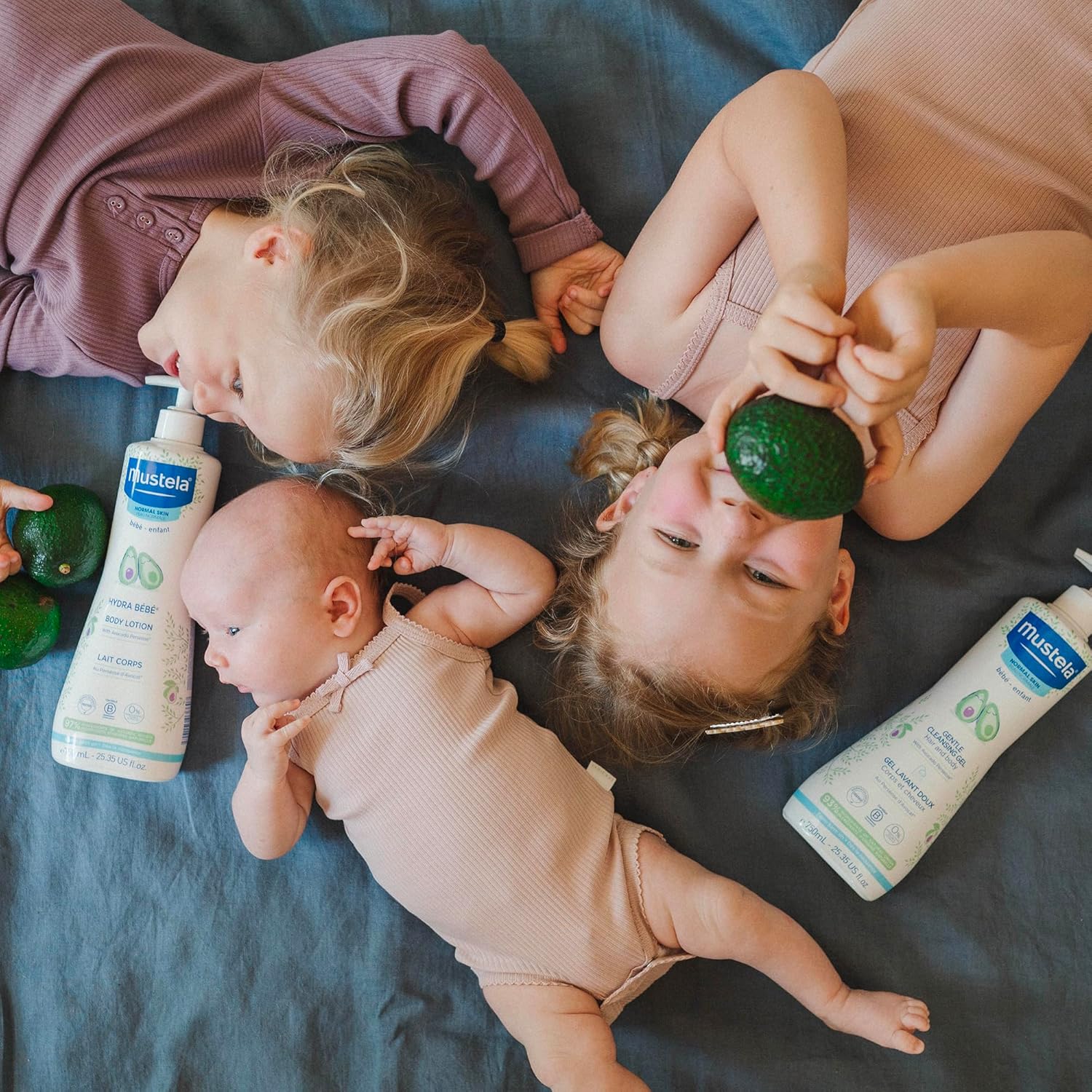
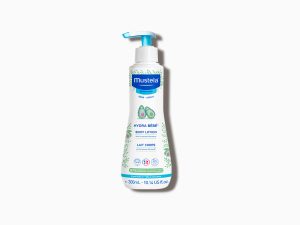
Mustela hydra bebe lotion.For parents seeking a dependable, efficient, and mild moisturizing solution for their infants, They look for things that are safe, effective, and gentle.Mustela Hydra Bébé Body Lotion is a premium product. It stands out in the crowded market of newborn skincare products thanks to its long-lasting moisture and usage of natural ingredients. It is suitable for daily use on sensitive infant skin because of its soothing smell and hypoallergenic formula.
MUSTELA HYDRA BEBE LOTION
The advantages it provides in terms of hydration, safety, and ease of use make it a worthy investment, even though its price may be a little more than that of some other solutions. Mustela Hydra Bébé Body Lotion is a great option if you’re looking for a premium body lotion that will maintain your baby’s skin smooth, soft, and healthy.
First Impressions;
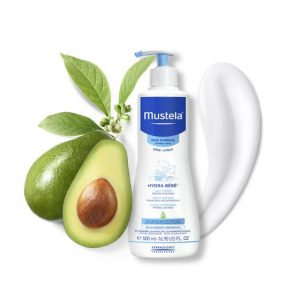
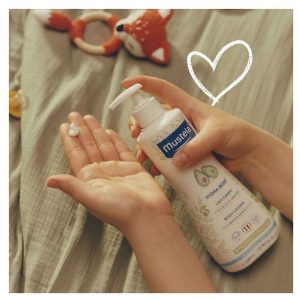
When it comes to baby skincare, Mustela Hydra Bébé Body Lotion comes in a convenient pump bottle that is easy to use and ensures hygienic application. The packaging is appealing with a baby-friendly design and clear labeling. The lotion has a light, pleasant fragrance that is not overwhelming, making it suitable for both babies and parents who prefer a subtle scent.
Ingredients and Benefits;
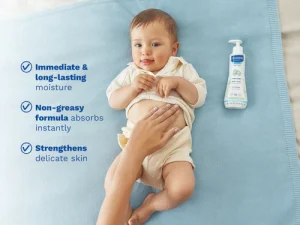
Mustela is known for its commitment to using natural and safe ingredients in their products. Key ingredients in the Hydra Bébé Body Lotion include:
– Avocado Perseose: A patented natural ingredient that helps protect and hydrate the skin by preserving its cellular richness.
– Sunflower Seed Oil: Rich in essential fatty acids, it helps to nourish and soften the skin.
– Vitamin E: An antioxidant that helps protect the skin from environmental stressors and supports skin health.
– Glycerin: A powerful humectant that attracts moisture to the skin, ensuring it remains hydrated and soft.
– Jojoba Oil: Known for its moisturizing and soothing properties, jojoba oil helps to reinforce the skin barrier and maintain skin hydration.
Performance;
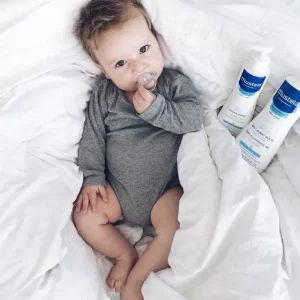
MUSTELA HYDRA BEBE LOTION
Hydration: Mustela Hydra Bébé Body Lotion excels in providing long-lasting hydration. The combination of avocado perseose, glycerin, and jojoba oil ensures that the skin remains moisturized and soft throughout the day. Parents report that the lotion absorbs quickly without leaving a greasy residue, which is essential for keeping baby skin comfortable and non-irritated.
Gentleness: The lotion is formulated to be gentle enough for daily use on even the most sensitive skin. It is hypoallergenic and free from parabens, phthalates, and phenoxyethanol, reducing the risk of allergic reactions or irritation.
Fragrance: The light, fresh fragrance is derived from natural ingredients and is designed to be mild enough for baby skin. It provides a pleasant, clean scent without being overpowering.
Ease of Use: The pump bottle design allows for easy, one-handed application, which is particularly helpful when dealing with a wriggly baby. The consistency of the lotion is just right—neither too thick nor too runny—making it easy to spread evenly over the skin.
Pros and Cons;
MUSTELA HYDRA BEBE LOTION
Pros:
– Long-Lasting Hydration: Keeps baby skin moisturized and soft all day.
– Natural Ingredients: Contains safe, effective ingredients like avocado perseose and sunflower seed oil.
– Gentle and Hypoallergenic: Suitable for daily use on sensitive baby skin.
Cons:
– Price: Slightly higher in cost compared to some other baby lotions, but the quality justifies the price.
– Availability: May not be available in all retail stores, requiring online purchases for some users.
Summary
A well-liked option that promises to provide delicate newborn skin with long-lasting moisture is Mustela Hydra Bébé Body Lotion. In order to determine whether Mustela Hydra Bébé Body Lotion lives up to its reputation, we will look at its main attributes, advantages, and functionality in this review.
.
Foods Rich in Zinc

Appetite Enhancement Tips

Nutritional Value of Rolled Oats

A Step-by-Step Guide to Deleting Reels on Instagram

A Comprehensive Guide to Setting Up a YouTube Premiere

How to Create a WhatsApp Group
-

 Health4 weeks ago
Harmful side effects of earphones
-

 Self esteem4 weeks ago
Tips for self esteem improvement
-

 Exercise4 weeks ago
Regular physical activities importance
-

 Business3 weeks ago
Local business promotion
-

 Health4 weeks ago
Headphones safety tips
-

 Entertainment3 weeks ago
Women and British dance music