
Health
Headphones safety tips


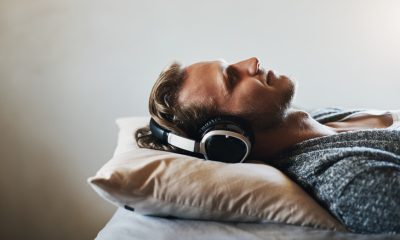
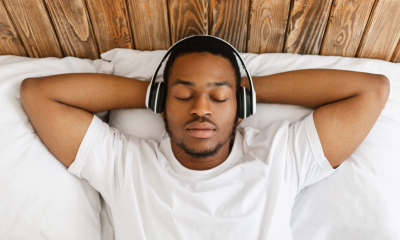
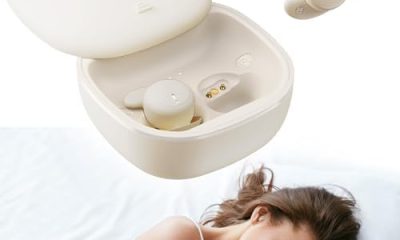
Headphones safety tips. Nowadays, a lot of people discover that listening to music is the only way they can go asleep. In order to listen to music in solitude, headphones are pairs of tiny loudspeakers that are worn over or around the ears. Popular brands like Sony, JBL, and Anker are priced between ₦30,000 and over ₦150,000 across local merchants, making them highly sought after in Nigeria for private listening, gaming, and studio work.
HEADPHONES SAFETY TIPS
This is primarily caused by noise from surrounding streets, construction nearby, and local procession noise in metropolitan areas. For frequent travelers as well, blocking out other passengers’ sounds while sleeping requires the use of earphones or headphones. Sleeping with one of the two is therefore becoming usual these days. Let’s examine a few safety considerations for utilizing these tools.
Is It Safe?

Wearing headphones, earbuds, or earphones to bed can be safe and facilitate a more restful night’s sleep. When wearing headphones that play music, you should adjust the level carefully to avoid putting pressure on your ears over time and damaging them. You need to be aware of this when using regular earphones and make sure they’re not putting too much pressure inside your ears.
Dangerous Effects of Sleeping with Earbuds or Headphones;
1. Ear Wax Accumulation
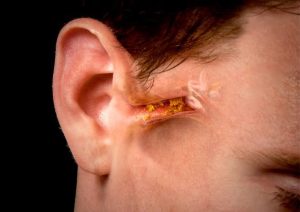
Headphones safety tips
You run the danger of getting ear wax accumulation in your ears if you wear earbuds that are a little deeper in your ears. This is because wearing earbuds will prevent air from flowing around your ears, which will make it easier for wax to get lodged in your eardrum. It could be challenging to remove ear wax without harming your ears if a lot of it accumulates over time.
2. Otitis Externa;
This is the term used to describe an ear canal irritation condition. In the worst scenario, fluid may enter your ear due to gradual deterioration of the skin around your ear canal. Additionally, this will cause pain in the outer ear. Since it joins the eardrum to the outer ear, the ear canal is crucial. This syndrome is frequent in swimmers, but it can also occur in those who wear headphones all the time. You will therefore need to use caution when sleeping with them on
3. Necrosis;
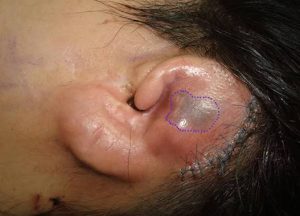
Headphones safety tips
Your earbuds will press against the skin inside your ear canal if they don’t fit properly. The epidermis will begin to deteriorate, and necrosis—the death of tissue—may occur.
4. Issues of Safety;
You run the danger of being unaware of an alarm going off in the middle of the night if you are using headphones with music or noise-cancelling earbuds. This can have disastrous effects, particularly in an emergency.
Summary
The 60/60 rule states that you should listen at no more than 60% of your device’s maximum volume for no more than 60 minutes at a time in order to safeguard your hearing. Between sessions, always give your ears a 10-minute rest.



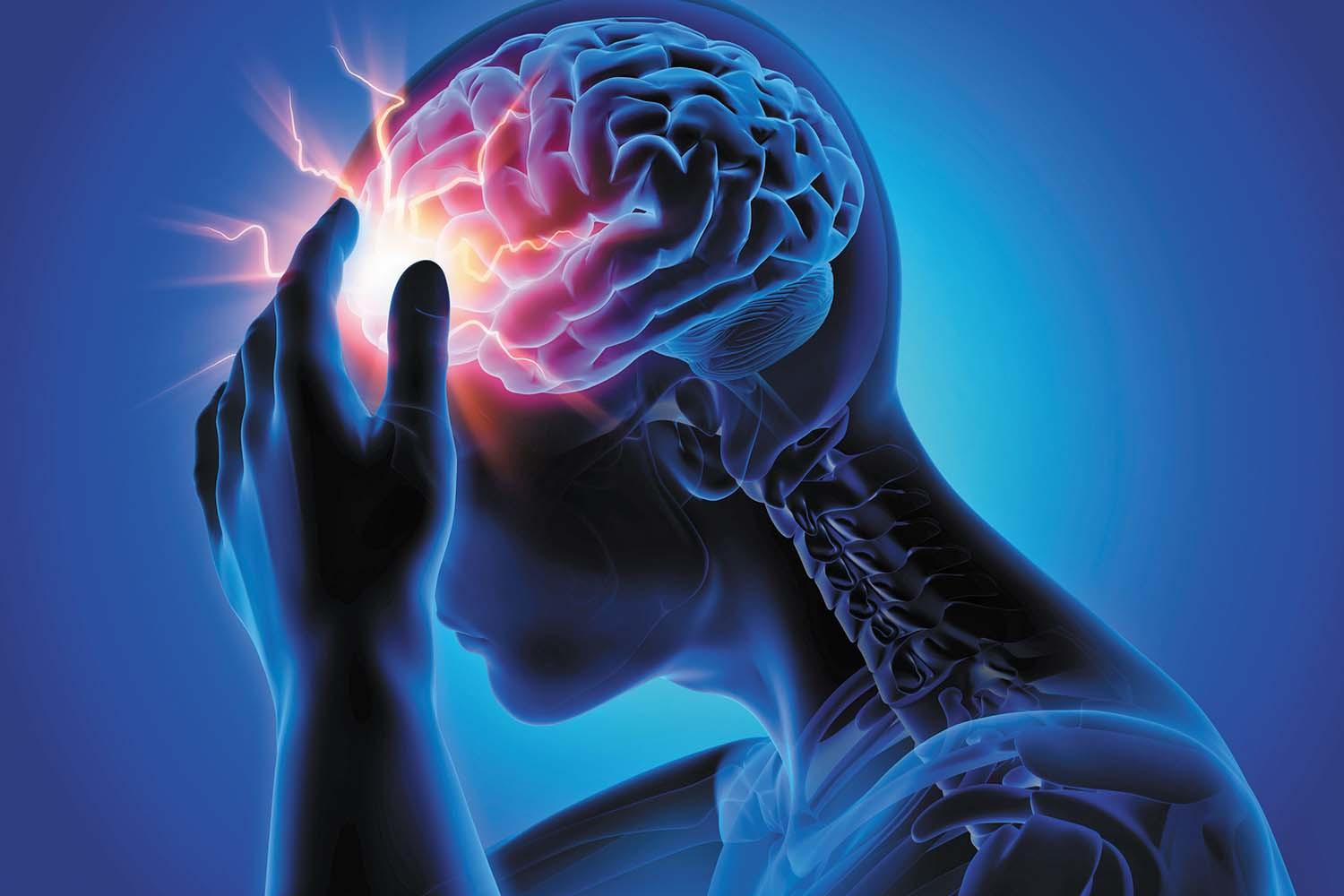
Reasons for Headaches, When your head and neck’s blood vessels, muscles, and pain-sensitive nerves become overactive or inflamed, they convey pain signals to your brain, resulting in headaches. Stress, dehydration, bad posture, sleep patterns, or specific meals are common triggers, and the underlying causes can range from core problems like migraines to secondary health ailments.
REASONS FOR HEADACHES
Pain is caused by migraines. There are a lot of common triggers. Most react to rest, fluids, and over-the-counter medication. You may get headaches from stress, food, alcohol, or strong light. Knowing what triggers to avoid could be helpful.
Stress;

Tension headaches are frequently brought on by tense shoulders and neck muscles, which are caused by stress. The brain interprets discomfort in the neck and shoulder muscles as headache pain when tension headaches occur frequently.
A tension headache or migraine can be brought on by hunger alone. However, some meals may make migraines worse. A single food type, such beans or nuts, or a variety of foods, like avocados, bananas, cheese, chocolate, citrus, herring, dairy products, and onions, could be the culprit. Particularly dangerous processed foods may contain monosodium glutamate, nitrites, nitrates, or yellow food coloring.
Alcohol intake;
One typical migraine trigger is alcohol. Any type of alcohol can cause a headache, but for some people, just a few ounces of red wine is enough to set them off. It’s unclear if the issue stems from the alcohol per se or from another ingredient in the beverage.
Environment;

The following environmental elements are linked to migraine headaches: strong odors, bright light, smoke, humidity, and cold weather. Individuals who suffer from cluster headaches frequently report that certain seasonal changes cause their migraines.
Hormones;
Women get headaches more frequently than males do, and changes in estrogen levels are linked to migraine symptoms in women. In younger women, migraines may be related to menstrual cycles. In certain cases, migraines can be brought on in women who have never had one by fluctuating estrogen levels during the perimenopause. Another possible cause of migraines is estrogen therapy. For most women, migraines do appear to stop with menopause.
Caffeine withdrawal;

Reasons for Headaches
If you typically get your caffeine from tea or coffee, quitting suddenly could make you get a migraine. This could be because blood vessels constrict when exposed to caffeine; in contrast, blood vessels expand and bulge out with every heartbeat when caffeine is absent, which is one of the main causes of migraines’ excruciating agony.
Lack of sleep;

Reasons for Headaches
Tension headaches and migraines are linked to sleep deprivation. Sleeping usually stops migraine attacks in their tracks, or at least lessens the intensity of the agony.
Summary
Drink a full glass of water, put a cool compress on your forehead, and find a quiet, dark place to rest for instant relief. Take an over-the-counter pain reliever, such as acetaminophen or ibuprofen, if necessary, but refrain from using them too often or in excess of the prescribed amounts to avoid rebound headaches.
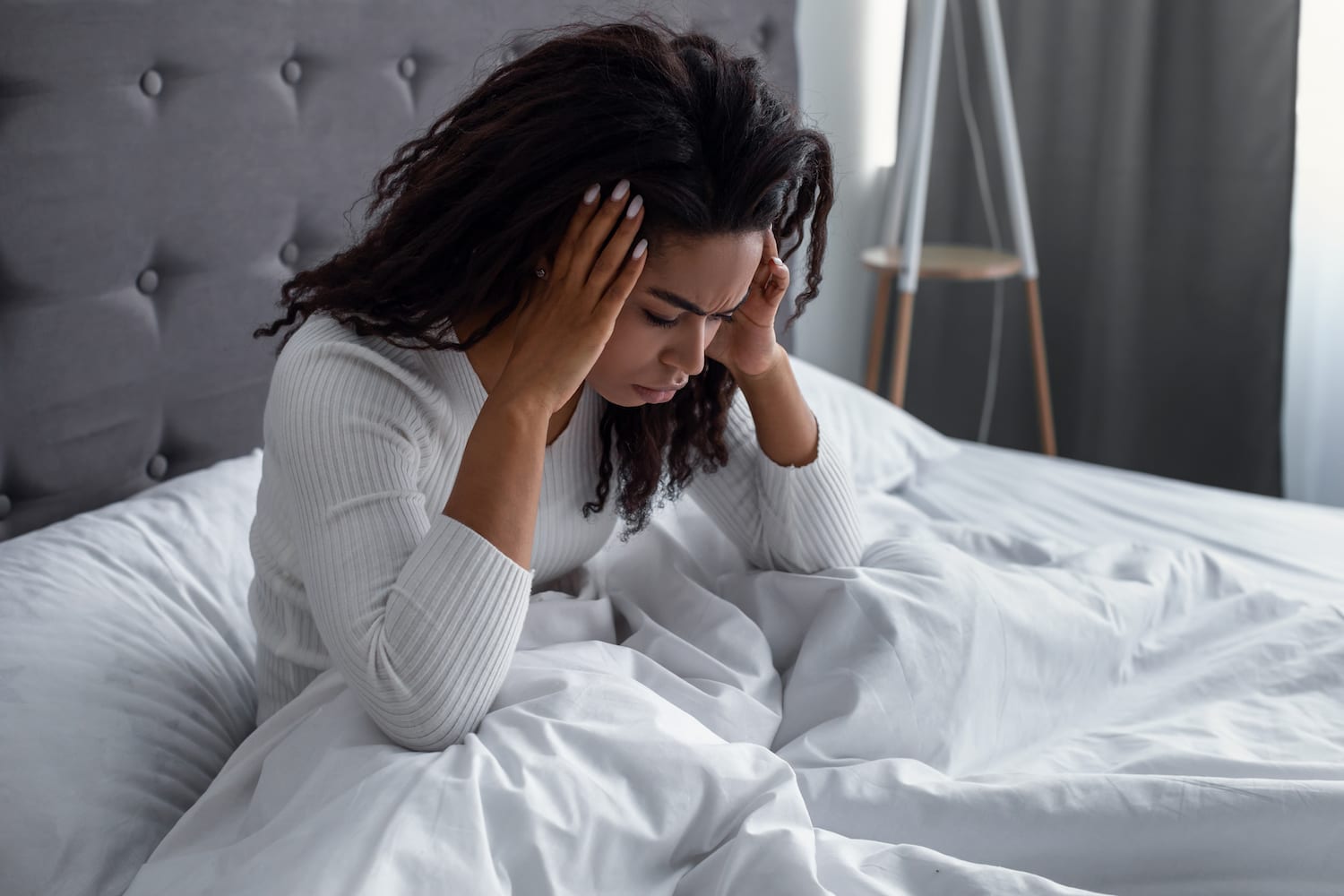
Reasons for Morning Headaches. The causes of morning headaches are multifaceted, including primary headache disorders including migraines and cluster headaches, and secondary reasons such as sleep problems, hypertension, aberrant intracranial pressure, and brain parenchymal disease
REASONS FOR MORING HEADACHES
Do you frequently have headaches when you wake up in the morning? Do you have a headache every morning when you wake up? After that, you must conduct some research. Morning headaches are extremely frequent, and they typically don’t occur suddenly. You need to identify the source of your morning headaches in order to treat the throbbing pain in your head, which probably has an underlying reason.
1. Lack of Sleep;

Lack of sleep could be the cause if you feel like you wake up with a headache every time. You may have insomnia if you have problems falling or staying asleep, or if you get up early and find it difficult to go back to sleep.
2. Sleep Apnea and/or Snoring;
Sleep apnea interferes with sleep by creating periodic, transient breathing pauses throughout a person’s sleep. Although loud, persistent snoring is frequently associated with the illness, not everyone with sleep apnea has a noisy nighttime breathing pattern.
The disorder is a significant risk factor for weariness and headaches in the morning since it disrupts regular sleep and can lead a person to wake up multiple times during the night. Your body produces more pain-inducing proteins when it doesn’t get enough restorative sleep, which might lower your pain threshold and cause a headache.
3. Oversleeping;
Reasons for Morning Headaches
It may seem counterintuitive, but insomnia can also lead to headaches in the morning. Oversleeping frequently happens as a result of poor quality sleep during the night or a mental health issue like depression. Morning head ache is associated with both of these problems.
4. Muscle Strain or Tension
Tension headaches can be caused by muscle strain or tension in the neck, base of the skull, or both. Excessive tension in your scalp may possibly be the cause of your headache. If you experience a great deal of persistent stress in the neck or head area, one of the following factors could be to blame:
- Chronic stress
- Poor posture
- Too-tight hairstyles
5. Teeth Grinding;

Reasons for Morning Headaches
Teeth grinding, also known as bruxism, may be the cause if you frequently wake up with headaches and feel worn out and uncomfortable in your jaw. Your jaw’s tendons and muscles are overworked when you grind your teeth at night, and this can cause headaches every morning.
Summary
The most frequent causes of morning headaches include sleep apnea, bruxism, dehydration, or waking up during a migraine. Poor sleep posture, caffeine withdrawal, or irregular sleep patterns due to oversleeping or insomnia are other common factors.
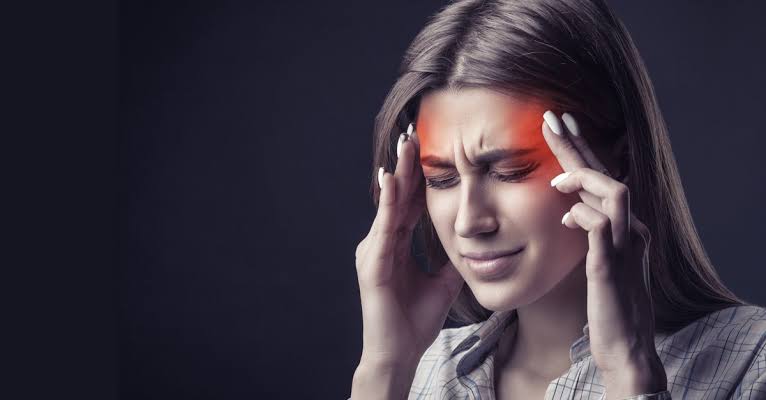
Natural Ways to Relieve Headaches. The most prevalent type of pain is headaches, which can range from crippling migraines to minor tension brought on by stress or tight neck muscles. Dehydration, sleep deprivation, missing meals, or certain foods are common triggers. Most react to rest, fluids, and over-the-counter medication.
NATURAL WAYS TO RELIEVE HEADACHES
There are natural ways to relieve headaches that don’t require prescription drugs. These are a few of the best natural headache cures we recommend to our patients.
1. Staying Hydrated;

Every system in the body, including the brain, depends on proper hydration to continue operating normally. Because of fluid loss, the brain may momentarily shrink or contract when the body is dehydrated. This process sets off a cascade of nerves that results in a headache caused by dehydration. By ensuring that your body has adequate fluids to perform its vital tasks, drinking enough water lowers your risk of experiencing these types of headaches.
- Aim for at least 2 litres of water daily
- Increase water intake during physical activity or in hot climates
2. Get Enough Sleep;

Headaches may result from the stimulation of specific chemicals in the body caused by chronic sleep deprivation or irregular sleep patterns. These chemicals can heighten the sensitivity to pain. Headaches are less common when you get enough sleep each night. Sleep is necessary for your body to perform vital restorative functions.
- Ensure 7-8 hours of sleep each night
- Establish and maintain a regular sleep schedule
3. Practice Relaxation Techniques;

Natural Ways to Relieve Headaches
Stress frequently causes changes in blood flow and muscular tension, which can result in headaches by triggering the body’s “fight or flight” reaction. By lowering the body’s stress reaction, relaxation methods like yoga and meditation help to stop these physiological alterations.
4. Exercise Regularly;
Frequent exercise promotes the body’s natural painkiller, endorphin production. Additionally, it aids in blood circulation improvement and muscle relaxation, both of which can lessen stress and lessen the frequency and intensity of headaches.
5. Maintain Good Posture;

Natural Ways to Relieve Headaches
Strain in the shoulder and neck muscles is frequently associated with tension headaches. Poor posture might contribute to this strain by increasing the amount of stress placed on these muscles. By keeping your body balanced and in alignment, proper posture helps to avoid putting undue tension on these muscles.
6. Light Massage;
Research has demonstrated that massage therapy can decrease cortisol levels, a stress hormone, and raise serotonin levels, which may help lessen the frequency of tension headaches. Massage therapy relieves tension in the muscles and promotes relaxation, which helps reduce headache pain.
Summary
Enter a quiet, dark room and apply a warm compress to your neck or a cold compress to your forehead to immediately cure a headache naturally. Drink lots of water—dehydration is a major trigger—and think about massaging your temples or sipping some ginger tea.
Foods Rich in Zinc

Appetite Enhancement Tips

Nutritional Value of Rolled Oats

A Step-by-Step Guide to Deleting Reels on Instagram

A Comprehensive Guide to Setting Up a YouTube Premiere

How to Create a WhatsApp Group
-
 Health4 weeks ago
Harmful side effects of earphones
-

 Self esteem4 weeks ago
Tips for self esteem improvement
-

 Exercise4 weeks ago
Regular physical activities importance
-

 Business3 weeks ago
Local business promotion
-

 Entertainment3 weeks ago
Women and British dance music
-
 Health3 weeks ago
Types and causes of headaches