
Health
Habits: Healthy Lifestyles



Habits: healthy lifestyles. Developing healthy living habits requires daily thoughtful decision-making and is an ongoing effort. You may greatly enhance your general health and quality of life by concentrating on a balanced diet, consistent exercise, enough sleep, stress reduction, hydration, avoiding bad habits, and routine checkups. Start small, make little adjustments, and relish the process of becoming a healthy version of yourself.
HABITS: HEALTHY LIFESTYLES
Making decisions that improve one’s physical, mental, and emotional well-being is part of leading a healthy lifestyle. These behaviors enhance general quality of life in addition to preventing chronic illnesses. To live a healthier lifestyle, adopt these essential practices into your everyday routine.
1. Balanced Diet;

A balanced diet is crucial for maintaining optimal health. This includes:
– Fruits and Vegetables: Aim to fill half your plate with a variety of colorful fruits and vegetables. They provide essential vitamins, minerals, and antioxidants.
– Whole Grains: Choose whole grains over refined grains to benefit from more nutrients and fiber.
– Protein: Incorporate lean protein sources such as fish, poultry, beans, and nuts. Limit red meat and processed meats.
– Healthy Fats: Include sources of healthy fats like avocados, nuts, seeds, and olive oil, while avoiding trans fats and limiting saturated fats.
2. Regular Physical Activity;
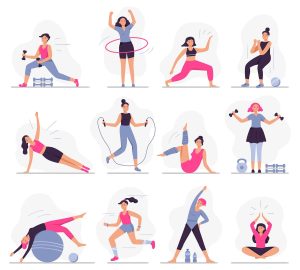
Engaging in regular physical activity is vital for maintaining a healthy body and mind. Benefits include improved cardiovascular health, stronger muscles and bones, better mood, and enhanced cognitive function. Aim for:
– Aerobic Exercise: At least 150 minutes of moderate-intensity or 75 minutes of high-intensity aerobic exercise per week.
– Strength Training: Incorporate strength training exercises at least two days a week to build and maintain muscle mass.
3. Adequate sleep;

Another Healthy lifestyle to embrace is Quality sleep, it is essential for physical and mental health. It allows the body to repair and regenerate and supports cognitive function. To improve sleep:
– Consistency: Stick to a regular sleep schedule, going to bed and waking up at the same time each day.
– Environment: Create a sleep-conducive environment by keeping your bedroom dark, quiet, and cool.
– Avoid Stimulants: Limit caffeine and electronic device use before bedtime.
4. Stress Management;

HABITS: HEALTHY LIFESTYLES
Chronic stress can negatively impact health. Effective stress management techniques include:
– Mindfulness and Meditation: Practices like meditation, yoga, and deep-breathing exercises can help reduce stress.
– Physical Activity: Regular exercise helps manage stress and improve mood.
– Hobbies and Interests: Engaging in activities you enjoy can provide a healthy distraction and relaxation.
5. Hydration;

HABITS: HEALTHY LIFESTYLES
Staying hydrated is crucial for overall health. Water supports bodily functions, including digestion, nutrient absorption, and temperature regulation. Aim to:
– Drink Water: Consume at least 8 glasses (about 2 liters) of water a day, more if you’re physically active or live in a hot climate.
– Limit Sugary Drinks: Reduce intake of sugary beverages like soda and energy drinks.
6. Avoiding Harmful Habits;

Avoiding or minimizing harmful habits is key to maintaining good health:
– Tobacco: Avoid smoking and exposure to secondhand smoke. Smoking is a leading cause of many diseases, including cancer and heart disease.
– Alcohol: If you drink alcohol, do so in moderation. For women, this means up to one drink per day, and for men, up to two drinks per day.
7. Regular Check-Ups;

HABITS: HEALTHY LIFESTYLES
Routine health check-ups and screenings are important healthy lifestyle for early detection and prevention of health issues. Make sure to:
– See Your Doctor: Have regular appointments with your healthcare provider for preventive care and to address any health concerns.
– Screenings and Vaccinations: Stay up-to-date with recommended health screenings and vaccinations.
Summary
Regular exercise, a healthy diet, enough sleep, stress reduction, and abstaining from smoking and excessive alcohol consumption are all examples of healthy lifestyle practices. Maintaining social ties, staying hydrated, and scheduling routine medical examinations are further important practices.







Cardiac arrest prevention tips. A abrupt loss of heart function, or cardiac arrest, occurs when the heart ceases to beat efficiently. A heart attack, an irregular heartbeat, or other underlying medical issues are some of the possible causes. Nonetheless, there are steps you may take to avoid cardiac arrest. Getting medical help right once is essential to restoring the heart’s regular rhythm and function. It’s a major medical emergency, and survival rates can be significantly increased with early intervention, such as CPR and the use of a defibrillator.
CARDIAC ARREST PREVENTION TIPS
A abrupt, unanticipated loss of heart function brought on by an electrical fault in the heart is known as cardiac arrest. It causes the person to collapse, lose consciousness, and cease breathing regularly because it prevents blood from reaching the brain and other organs. It is a medical emergency that, if left untreated, can be lethal in a matter of minutes.
Building the foundation;

Cardiac arrest prevention tips
Establishing heart-healthy habits early is paramount. Emphasizing a diet rich in fiber, fruits, vegetables, and lean proteins, coupled with regular physical activity, sets the foundation for a healthy heart. Stress-free environments and good sleep hygiene in childhood contribute to reducing heart disease risks later in life.
Healthy diet guidelines for young adults;

Maintaining a balanced diet in your 20s and 30s involves monitoring saturated and trans fats, choosing healthier fat sources, and being cautious about added sugars. Reading food labels, opting for whole, unprocessed foods, and customizing dietary choices contribute significantly to heart health. Quitting smoking and vaping is a transformative step for heart health. It reduces the risk of heart attacks, normalizes blood pressure and heart rate, improves blood flow, decreases inflammation, and enhances overall cardiovascular function. The benefits extend beyond the individual, protecting loved ones from secondhand smoke.
Maintaining vigilance;

In your 20s and 30s, when distractions abound, sustaining healthy habits becomes challenging. Reducing screen time, including physical activity, and adopting a heart-friendly diet are crucial. Avoiding smoking and vaping, managing stress, and customizing an exercise plan based on individual preferences and health conditions are vital steps.
Routine check-ups in your 40s and 50s;

As your age adds, routine check-ups become imperative. Tests like blood pressure screening, cholesterol profile, blood sugar tests, and EKGs help identify potential risks. Embracing a healthy routine, staying vigilant for symptoms, and seeking prompt medical attention are essential steps in maintaining heart health
Summary
Managing underlying cardiac problems and implementing heart-healthy lifestyle practices are necessary to prevent cardiac arrest. Keeping your heart and blood arteries in top condition is the key to reducing your risk because coronary artery disease is a major contributing factor.

Sleep and long term health. One of the most important pillars of physical wellness is getting enough good sleep. It enables self-healing and self-regulation of your immune, endocrine, and cardiovascular systems. Chronic sleep deprivation raises the long-term risk of serious illnesses like obesity, diabetes, and heart disease.
SLEEP AND LONG TERM HEALTH
Just as important as nutrition and exercise is getting enough sleep. Your long-term risk of serious medical illnesses, such as type 2 diabetes, cardiovascular diseases, and neurodegenerative disorders, is greatly increased by chronic sleep deprivation (sleeping fewer than 7 to 9 hours every night). Sleeping enough at night shields you against a host of health issues. Here are a few of the most significant ones.
Heart disease

A healthy sleep pattern lowers the risk of heart disease. In the United States, it is the main cause of death for both men and women. Your blood pressure and heart rate decrease as you sleep. Your heart will have to exert less effort as a result.3. Sleeping well also contributes to a healthy cortisol balance. If this stress hormone remains too high for an extended length of time, it might be harmful to the body.
Weight gain
Increasing your sleep will assist you in managing your weight. Your body produces an excess of a chemical that causes hunger when you’re sleep deprived. What was the outcome? You consume more food than you usually do. And you have a craving for foods heavy in sugar and fat. Maintaining a healthy weight reduces your chances of high blood pressure, high cholesterol, and other conditions.
Best advice for a great night’s sleep;

You can now see why getting more sleep is necessary. These hints will improve your quality of sleep at night.
Stick to a schedule
Every day, get up and go to bed at the same hour. On the weekends, it could be tempting to stay up late and sleep in. However, that simply makes Monday morning more difficult for you to wake up.
Don’t eat too late

Sleep and long term health
Heartburn can occur when a full meal is consumed close to bedtime. Chest discomfort that burns is one of the signs of heartburn. This may prevent you from going to sleep and remaining asleep. Before going to bed, eat something small and light, like a banana, if you’re hungry. Alternately, have a low-sugar yogurt cup or some almonds.
Nap wisely
If you must nap throughout the day, try to limit the duration to no more than 20 minutes and take it before 3 p.m. Sleeping at night becomes more difficult after extended, late naps.
Cut down on screen time
Melatonin is disrupted by the blue light emitted by your computer, tablet, and phone screens. This is a hormone that makes you feel drowsy by rising naturally around bedtime. When the light is too strong, your body suppresses melatonin because it believes it is still daytime. At least half an hour before going to bed, turn off all gadgets.
Give your bedroom a makeover

Sleep and long term health
Make a relaxing, peaceful sleeping area. Turn down the lights before going to bed, and avoid sleeping with the TV on. To make your room as dark as possible, hang curtains or room-darkening shades on your windows. To reduce noise, use a free white noise app on your phone. Moreover, maintain a temperature of between 60° and 67°F.
Limit fluids
If you have too much water right before bed, you’ll wake up in the middle of the night to go to the bathroom.
Summary
Consistent lifestyle choices that avoid chronic illness and preserve cognitive function are essential for long-term health. A healthy, plant-based diet, 150 minutes of aerobic exercise plus strength training, getting enough sleep, and abstaining from smoking are all important practices.

Nivea body wash for men

Business maintenance

Athlete conviction of murder

A Step-by-Step Guide to Deleting Reels on Instagram

A Comprehensive Guide to Setting Up a YouTube Premiere

How to Create a WhatsApp Group
-

 Health4 weeks ago
Carbonated drinks side effects
-

 Business4 weeks ago
Smart ideas for business startups
-

 Deodorants4 weeks ago
Reasons for wearing deodorants
-

 Deodorants3 weeks ago
Reviewing tom ford oud
-

 Deodorants4 weeks ago
Review for saint laurent black
-

 Deodorants3 weeks ago
Varieties of perfumes for men