Health
Habits: Healthy Lifestyles



Habits: healthy lifestyles. Developing healthy living habits requires daily thoughtful decision-making and is an ongoing effort. You may greatly enhance your general health and quality of life by concentrating on a balanced diet, consistent exercise, enough sleep, stress reduction, hydration, avoiding bad habits, and routine checkups. Start small, make little adjustments, and relish the process of becoming a healthy version of yourself.
HABITS: HEALTHY LIFESTYLES
Making decisions that improve one’s physical, mental, and emotional well-being is part of leading a healthy lifestyle. These behaviors enhance general quality of life in addition to preventing chronic illnesses. To live a healthier lifestyle, adopt these essential practices into your everyday routine.
1. Balanced Diet;

A balanced diet is crucial for maintaining optimal health. This includes:
– Fruits and Vegetables: Aim to fill half your plate with a variety of colorful fruits and vegetables. They provide essential vitamins, minerals, and antioxidants.
– Whole Grains: Choose whole grains over refined grains to benefit from more nutrients and fiber.
– Protein: Incorporate lean protein sources such as fish, poultry, beans, and nuts. Limit red meat and processed meats.
– Healthy Fats: Include sources of healthy fats like avocados, nuts, seeds, and olive oil, while avoiding trans fats and limiting saturated fats.
2. Regular Physical Activity;
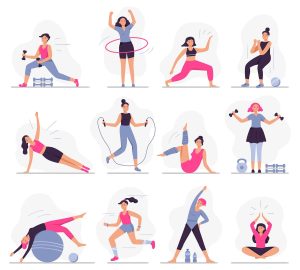
Engaging in regular physical activity is vital for maintaining a healthy body and mind. Benefits include improved cardiovascular health, stronger muscles and bones, better mood, and enhanced cognitive function. Aim for:
– Aerobic Exercise: At least 150 minutes of moderate-intensity or 75 minutes of high-intensity aerobic exercise per week.
– Strength Training: Incorporate strength training exercises at least two days a week to build and maintain muscle mass.
3. Adequate sleep;

Another Healthy lifestyle to embrace is Quality sleep, it is essential for physical and mental health. It allows the body to repair and regenerate and supports cognitive function. To improve sleep:
– Consistency: Stick to a regular sleep schedule, going to bed and waking up at the same time each day.
– Environment: Create a sleep-conducive environment by keeping your bedroom dark, quiet, and cool.
– Avoid Stimulants: Limit caffeine and electronic device use before bedtime.
4. Stress Management;

HABITS: HEALTHY LIFESTYLES
Chronic stress can negatively impact health. Effective stress management techniques include:
– Mindfulness and Meditation: Practices like meditation, yoga, and deep-breathing exercises can help reduce stress.
– Physical Activity: Regular exercise helps manage stress and improve mood.
– Hobbies and Interests: Engaging in activities you enjoy can provide a healthy distraction and relaxation.
5. Hydration;

HABITS: HEALTHY LIFESTYLES
Staying hydrated is crucial for overall health. Water supports bodily functions, including digestion, nutrient absorption, and temperature regulation. Aim to:
– Drink Water: Consume at least 8 glasses (about 2 liters) of water a day, more if you’re physically active or live in a hot climate.
– Limit Sugary Drinks: Reduce intake of sugary beverages like soda and energy drinks.
6. Avoiding Harmful Habits;

Avoiding or minimizing harmful habits is key to maintaining good health:
– Tobacco: Avoid smoking and exposure to secondhand smoke. Smoking is a leading cause of many diseases, including cancer and heart disease.
– Alcohol: If you drink alcohol, do so in moderation. For women, this means up to one drink per day, and for men, up to two drinks per day.
7. Regular Check-Ups;

HABITS: HEALTHY LIFESTYLES
Routine health check-ups and screenings are important healthy lifestyle for early detection and prevention of health issues. Make sure to:
– See Your Doctor: Have regular appointments with your healthcare provider for preventive care and to address any health concerns.
– Screenings and Vaccinations: Stay up-to-date with recommended health screenings and vaccinations.
Summary
Regular exercise, a healthy diet, enough sleep, stress reduction, and abstaining from smoking and excessive alcohol consumption are all examples of healthy lifestyle practices. Maintaining social ties, staying hydrated, and scheduling routine medical examinations are further important practices.






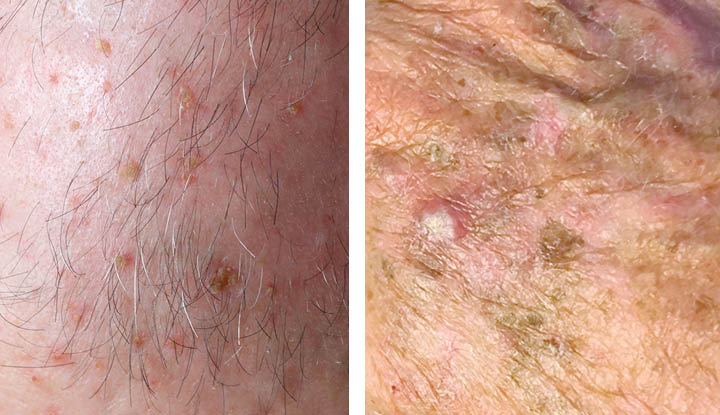
Relieves for Actinic keratosis. It is a condition that can be controlled with the right care and precautions. To guaranty proper care, speak with a healthcare professional if you observe any strange skin changes.
RELIEVES FOR ACTINIC KERTOSIS
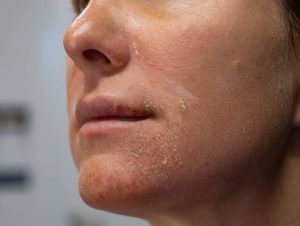
Actinic keratosis (AK) is a common skin condition resulting from long-term exposure to ultraviolet (UV) light, primarily from the sun. It is characterized by rough, scaly patches on the skin that can vary in color from pink to red and may sometimes appear tan or brown.
Causes;
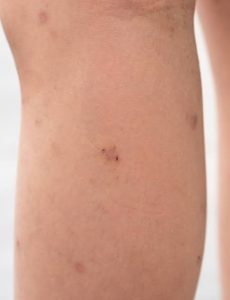
The primary cause of actinic keratosis is prolonged sun exposure. UV rays damage the skin cells, leading to the formation of these precancerous lesions. People with fair skin, light hair, and eyes are at higher risk, especially if they have a history of sunburns or excessive sun exposure.
Symptoms;
Actinic keratosis typically appears as small, dry, scaly patches on sun-exposed areas of the skin, such as the face, ears, neck, scalp, and backs of the hands. These patches might be itchy or tender and can vary in size. In some cases, they can become inflamed or bleed.
Diagnosis;
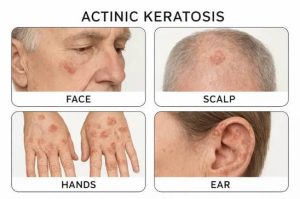
A dermatologist can usually diagnose actinic keratosis through a physical examination of the skin. In some cases, a skin biopsy may be performed to confirm the diagnosis and rule out skin cancer.
Treatment;
Treatment options for actinic keratosis aim to remove the lesions and prevent further skin damage. Common treatments include:
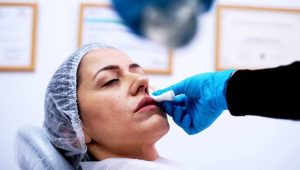
– Topical Medications: Creams or gels like 5-fluorouracil (5-FU) or imiquimod help destroy abnormal cells.
– Cryotherapy:
Relieves for Actinic keratosis
Liquid nitrogen is applied to freeze and destroy the lesions.
• Curettage and Electrodessication: The lesion is scraped off and then treated with electrical currents to remove any remaining abnormal cells.
• Laser Therapy: Lasers target and remove actinic keratosis lesions.
Prevention;
Relieves for Actinic keratosis
Preventing actinic involves minimizing sun exposure by using sunscreen, wearing protective clothing, and avoiding tanning beds. Regular skin checks with a dermatologist are also crucial for early detection and management of any new or changing skin lesions.
Summary
In order to prevent rough, sun-damaged skin spots from developing into skin cancer, actinic keratosis can be treated with prescription skin creams, freezing, or light therapy, depending on the number of spots.
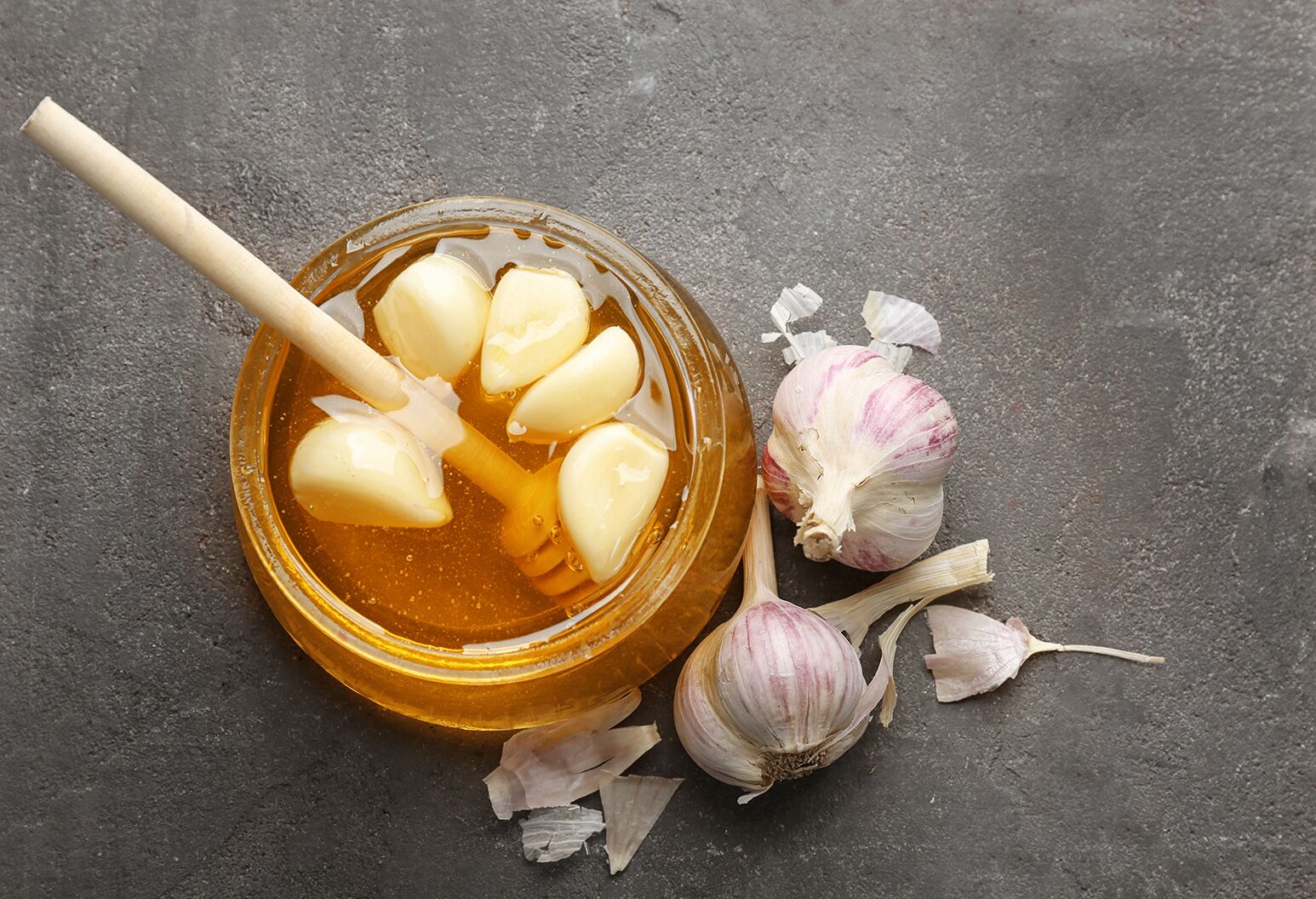
The Healthy Impacts of Honey and Garlic. A potent natural cure is made by combining fresh garlic with raw honey. While raw honey has antioxidant and throat-soothing qualities, garlic delivers allicin for heart and immunological health. When combined, they promote general wellbeing, reduce inflammation, and combat mild infections.
THE HEALTHY IMPACTS OF HONEY AND GARLIC
Garlic and honey have several health advantages. The health advantages of these two foods can be obtained either singly or in combination. Garlic and honey can be added to food as supplements or consumed raw.
Benefits;

1. First, antimicrobial Research has indicated that garlic and a particular kind of tazma honey can inhibit the growth of some germs. The study evaluated the antibacterial properties of each food both alone and in combination. In separate tests, the researchers discovered that honey and garlic could both eradicate germs. Additionally, garlic and honey work better together as an antimicrobial combination than they do separately. A garlic-honey combo can help prevent or reduce the growth of harmful germs and the symptoms of diseases like food poisoning and pneumonia.
2. Antivirals Additionally, some varieties of honey have potent antiviral qualities that can be used to cure or prevent viral infections such as colds and hot flushes. Manuka honey has been shown in lab research to inhibit the growth of the flu virus. Against this virus, the researchers found that honey more especially, Manuka honey was nearly as effective as antiviral medications.
More Benefits;

The Healthy Impacts of Honey and Garlic
3. Although, Encourages Healthy Hearts Garlic may provide heart health benefits, according to a number of clinical and lab-based studies. Nevertheless, these studies also imply that honey’s antioxidants can help shield you from heart-related illnesses. Garlic lowers blood pressure, lowers cholesterol, prevents excessive blood clotting, and softens or hardens blood vessels, all of which lower the risk of heart disease and stroke, according to a medical review.
4. Also, Promotes mental and memory health Many beneficial antioxidant components can be found in a combination of garlic and honey. These beneficial substances support the body’s immune system balance and illness prevention. Additionally, common brain and memory-related illnesses like dementia and Alzheimer’s can be prevented by using the garlic and honey mixture. Garlic
Summary
The strong antioxidants and antibacterial components found in both ingredients, such as the allicin found in crushed garlic help relieve sore throats, reduce inflammation, and boost immunity.

The Health Benefits of Ginger. The flowering plant known as ginger (Zingiber officinale) is native to Southeast Asia. Its knobby underground stem, or rhizome, is utilized all over the world as a traditional treatment to relieve inflammation, soothe nausea, and aid digestion as well as a spicy culinary flavoring.
THE HEALTH BENEFITS OF GINGER
Ginger is a potent root that contains gingerol, a bioactive substance. It relieves upset stomachs, eases joint and muscle pain, lowers blood sugar, reduces inflammation, and strengthens the immune system.
The Origin;

The blooming plant from which ginger is derived is native to Southeast Asia. Along with its many health advantages, it enhances the flavor of both savory and sweet dishes. Associated with turmeric, cardamom, and galangal, it is a member of the Zingiberaceae family.
Benefits;
1. However, Has gingerol in it Many types of traditional and alternative medicine have long used ginger. Among its many uses include promoting better digestion, lowering nausea, and assisting in the battle against the flu and common cold. Gingerol is the most significant of the natural oils that give ginger its distinct smell and scent.
2. Meanwhile, Treats nausea and other types of morning sickness Ginger could work. Reliable Source against nausea, particularly morning sickness, which is nausea connected to pregnancy. People having certain surgeries may find that ginger helps ease their nausea and vomiting. It may also lessen nausea brought on by chemotherapy.

3. Decreases the rate of weight loss Studies on both humans and animals suggest that ginger may help people lose weight. factors, such as capability to lower inflammation, may be responsible for ginger’s ability to impact weight loss.
More Benefits;
4. Beneficial for osteoarthritis Joint degeneration is the cause of this, which results in symptoms like stiffness and pain. According to the review, ginger may lessen pain and impairment. For three to twelve weeks, depending on the study, the participants consumed. 5 to 1 gram of ginger daily. OA of the knee was diagnosed in the majority.
5. It cures persistent dyspepsia Due to its ability to accelerate the transit of food through the stomach, ginger may help treat indigestion. Indigestion with symptoms including bloating, belching, nausea, and abdominal pain that doesn’t seem to be related to any particular cause is known as functional dyspepsia.

The Health Benefits of Ginger
6. Also eases menstrual discomfort Menstruation pain, or dysmenorrhea, may be lessened with ginger. Ginger may be just as good in reducing menstruation pain as acetaminophen, caffeine, and ibuprofen, according to some research. However, additional research is required. help relieve
Summary
due to its anti-nausea and anti-inflammatory properties. Ginger may have a number of health advantages. It may help with menstrual symptoms, weight reduction, arthritis, and other conditions.

Music Recording Apps for Phones

Review of Bandlab Music App

N-Track Studio Review

A Step-by-Step Guide to Deleting Reels on Instagram

A Comprehensive Guide to Setting Up a YouTube Premiere