Shops
Retail Shops

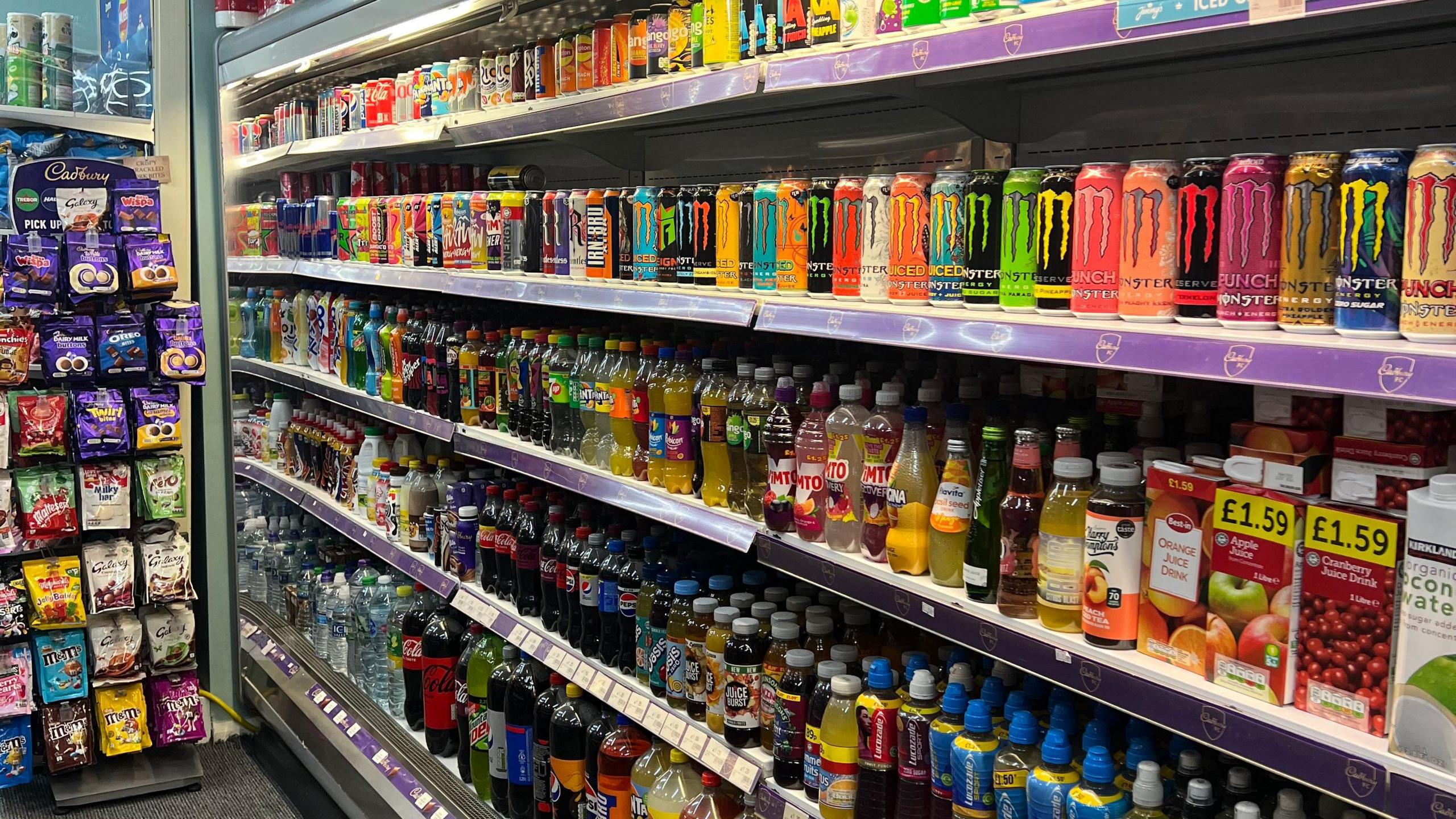

Retail shops. These are companies that sell products or services directly to customers for their own use. They can be physical “brick-and-mortar” establishments like supermarkets, boutiques, and department stores, or they can be online e-commerce sites. They frequently combine both (omnichannel) to offer convenience and choice, serving as the last link in the supply chain. Convenience stores, specialty shops, big-box stores, and online marketplaces are important categories that all seek to satisfy particular customer demands through a variety of sales channels and experiences.
RETAIL SHOPS
In terms of product range (narrow vs. wide), service level, pricing (discount vs. premium), and format (physical vs. digital), retail stores range from large department stores and supermarkets to small convenience stores, specialty boutiques, and online retailers. Common types include Specialty Stores, Department Stores, Supermarkets, Convenience Stores, Discount Stores, and Online Retailers (eCommerce), in addition to others like Warehouse Clubs and Boutiques.
Types of Retail Shops;
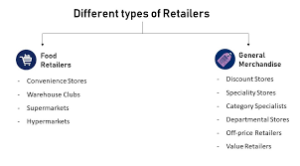
Shopping Centers: The majority of malls in the US are either enclosed or open-air facilities. In actuality, most malls are enclosed spaces with a single roof over all of the tenants.
Also, super-regional and regional malls are the two main types of malls identified in the ICSC report. I believe we may simplify the knowledge of the fundamental retail assets by
Lifestyle Establishments;
RETAIL SHOPS
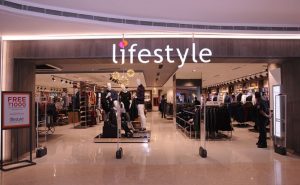
However, lifestyle centers were initially identified by Poag and McEwen and were well-known in the early 1990s. Usually catering to a more affluent clientele, these shopping malls offer a more expensive dining and shopping experience than your average mall. These properties are frequently outdoor shopping malls and are typically found in posh suburban regions.
More Types;

RETAIL SHOPS
Also, factory Stores By definition, factory outlets are establishments that offer directly to customers factory-made goods at a price lower than the current retail price. These outlet stores are more like outdoor malls selling reduced home items and name-brand clothing. Because of their vast trade area size, they are regarded as destination retail establishments. Name brands at a bargain are what entice people to factory outlets.
Community Hubs;

RETAIL SHOPS
Also, in the US, the Neighborhood Center is the most prevalent and well-known type of retail real estate. This is your standard 3-mile trade area strip mall with a grocery anchor, serving the local populace. Retailers in neighborhood centers usually serve the daily requirements of the local population. Retail vs. Wholesale: Definitions and Differences
Summary
kinds of retail establishments. Better still, what precisely is a retail shopping center? The ultimate goal of every retail establishment is to sell products to consumers. Each retail center has a unique design, size, and building type. There is no one-size-fits-all approach for retail real estate when deciding what form of retail center will be most effective in a particular area.


Tips for Emotional stress

Anxiety and stress reduction

Face cleansing tips

A Step-by-Step Guide to Deleting Reels on Instagram

A Comprehensive Guide to Setting Up a YouTube Premiere

How to Create a WhatsApp Group
-

 Social media4 weeks ago
How to Delete Reels on IG
-

 Music3 weeks ago
Lyrics for Iké Nilé
-

 Photography3 weeks ago
Photography and Outdoors
-

 Social media3 weeks ago
Tips for likes and Followers on Facebook
-

 Social media4 weeks ago
Guidelines for Uploading Videos on Youtube
-
 Social media3 weeks ago
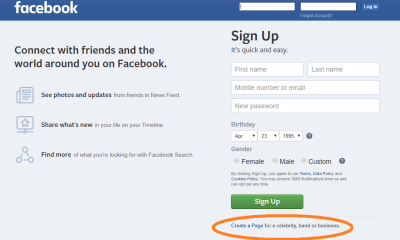
Guidelines for Creating a Facebook Page