Health
Actinic Keratosis Causes


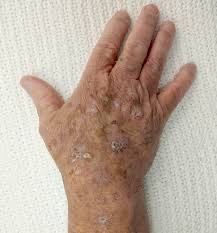
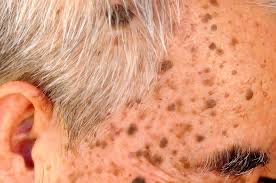
Actinic keratosis causes. On sun-exposed areas such as the face, scalp, hands, and ears, actinic keratosis (AK) is a rough, scaly, precancerous skin patch that may feel itchy, burning, or crusty. It frequently appears as dry, sandpaper-like spots. Although benign, AKs can progress to squamous cell carcinoma (SCC) skin cancer; therefore, prompt treatment with techniques such as freezing (cryotherapy), topical creams, surgery, or photodynamic therapy is essential for prevention and management, as is careful sun protection (sunscreen, protective clothing, shade).
ACTINIC KERATOSIS CAUSES
Treatments for actinic keratosis target precancerous skin spots using techniques such as freezing (cryotherapy), scraping (curettage), lasers, or chemical peels for individual spots, and topical prescription creams (such as 5-FU, imiquimod, or diclofenac) or photodynamic therapy (PDT) for widespread lesions, depending on the number, location, and type of skin. Strict sun protection is always adhered to. Actinic keratosis (AK) is a common skin condition resulting from long-term exposure to ultraviolet (UV) light, primarily from the sun. It is characterized by rough, scaly patches on the skin that can vary in color from pink to red and may sometimes appear tan or brown.
Causes;

The primary cause of actinic keratosis is prolonged sun exposure. UV rays damage the skin cells, leading to the formation of these precancerous lesions. People with fair skin, light hair, and eyes are at higher risk, especially if they have a history of sunburns or excessive sun exposure.
Symptoms;
Actinic keratosis typically appears as small, dry, scaly patches on sun-exposed areas of the skin, such as the face, ears, neck, scalp, and backs of the hands. These patches might be itchy or tender and can vary in size. In some cases, they can become inflamed or bleed.
Diagnosis;

A dermatologist can usually diagnose actinic keratosis through a physical examination of the skin. In some cases, a skin biopsy may be performed to confirm the diagnosis and rule out skin cancer.
Treatment;

ACTINIC KERATOSIS CAUSES
Treatment options for actinic keratosis aim to remove the lesions and prevent further skin damage. Common treatments include:
– Topical Medications:
Creams or gels like 5-fluorouracil (5-FU) or imiquimod help destroy abnormal cells.
– Cryotherapy:

Liquid nitrogen is applied to freeze and destroy the lesions.
• Curettage and Electrodessication: The lesion is scraped off and then treated with electrical currents to remove any remaining abnormal cells.
• Laser Therapy:
Lasers target and remove actinic keratosis lesions.
Prevention;

ACTINIC KERATOSIS CAUSES
Preventing actinic involves minimizing sun exposure by using sunscreen, wearing protective clothing, and avoiding tanning beds. Regular skin checks with a dermatologist are also crucial for early detection and management of any new or changing skin lesions. Actinic is a manageable condition with proper treatment and preventive measures. If you notice any unusual skin changes, consult a healthcare provider to ensure appropriate care.
Summary
Long-term, unprotected exposure to ultraviolet (UV) radiation from the sun or tanning beds is the main cause of actinic keratosis (AK), which results in rough, scaly patches by damaging skin cell DNA. Fair complexion, light eyes and hair, being older (over 40), having a history of sunburns, working outside, having a compromised immune system, and perhaps HPV are risk factors.


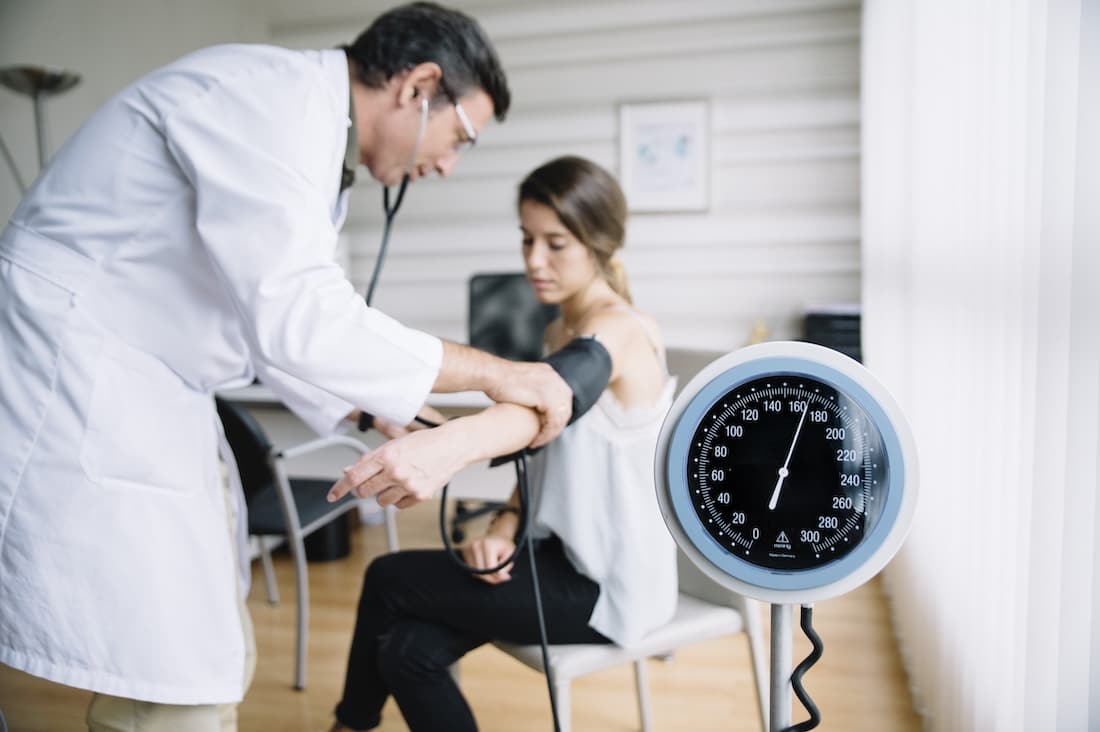
High BP Health threats. When the force of blood pushing against your artery walls is continuously too great, you have high blood pressure, also known as hypertension. Often referred to as a “silent killer,” it typically exhibits no signs until significant harm is done. Regular readings are the only method to find out your state.
HIGH BP HEALTH THREATS
Over time, uncontrolled hypertension puts stress on your organs and arteries. In addition to causing renal failure, eyesight loss, aneurysms, and cognitive decline if untreated, this silent killer dramatically raises the chance of life-threatening events like heart attacks and strokes. Most of the time, high blood pressure—also referred to as hypertension—causes damage gradually. Untreated or untreated hypertension can lead to:
1. Heart attack;
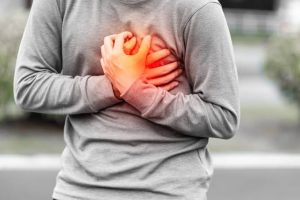
Blood flow to the heart muscle can be impeded by clogged arteries caused by high blood pressure.
2. Heart failure
The heart may become larger and become less able to pump blood to the body as a result of the increased burden brought on by high blood pressure.
3. Kidney disease or failure
Excessive blood pressure can harm the kidneys’ surrounding arteries, impairing their capacity to adequately filer blood.
4. Loss of vision
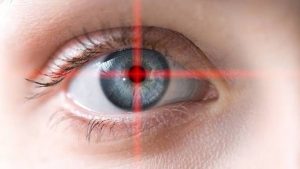
High BP Health threats
Elevated blood pressure can compress or harm blood vessels in the eyes.
5. Sexual dysfunction
Elevated blood pressure can cause libido reduction in women and erectile dysfunction in males.
High blood pressure and hypertensive crisis;
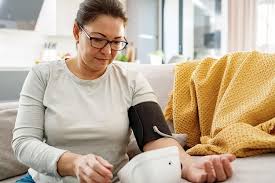
High BP Health threats
Check your blood pressure again after five minutes if you are symptoms free. Additionally, if your readings are still abnormally high and you are not suffering any other signs of damage to your target organ, such as chest pain, shortness or breath, back pain, numbness or weakness, changes in vision, or difficulty speaking, get in touch with your healthcare provider right once it is possible that you are having a hypertensive crisis.
Summary
The force of blood pressing against your artery walls as your heart pumps it throughout your body is known as blood pressure. Two figures are provided for readings (e.g., −120 \div 80\) mmHg).
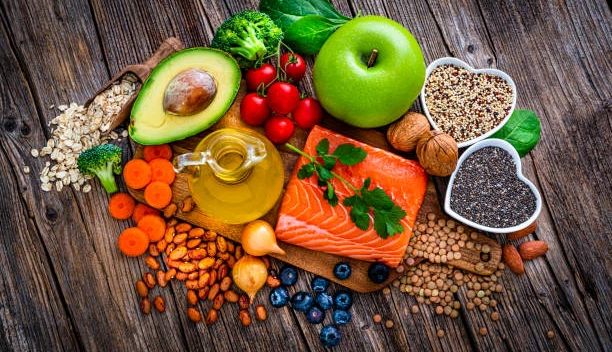
Natural foods for high BP. When the force of blood pushing against your artery walls is continuously too great, you have high blood pressure, also known as hypertension. Often referred to as a “silent killer,” it typically exhibits no signs until significant harm is done. Regular readings are the only method to find out your state.
NATURAL FOODS FOR HIGH BP
Over time, uncontrolled hypertension puts a load on your organs and arteries. In addition to causing kidney failure, eyesight loss, aneurysms, and cognitive decline if untreated, this silent killer dramatically raises the chance of fatal events including heart attacks and strokes.
1. Fat-free yogurt;
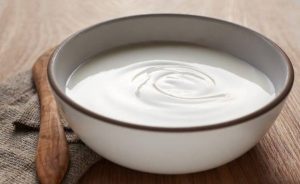
One of the primary nutrients that helps lower blood pressure is calcium, which os abundant in low-fat dairy products. Yogurt is an excellent source of protein, potassium, vitamins, and minerals that many be added to your diet, according to feller. One 12-ounce portion of low fat yogurt provides approximately 30% of the daily required calcium intake.
2. Bananas;
An average sized banana has approximately 420millgram of potassium. That is roughly 9% of the daily allowance that is advised. According to studies, diets lacking in potassium are linked to greater blood pressure and prest points out that potassium is excellent for controlling blood pressure. In addition to being high in fiber, bananas naturally sweeten smoothies, baked foods and frozen desserts. When bananas begin to go bad, peel them and freeze them.
3. Berries;

Natural foods for high BP
Nitric oxide, which is abundant in berries and particularly in blueberries, is a gas that lowers blood pressure by increasing blood flow. According to a March 2015 study published in the Academy of Nutrition and Dietetics, consuming as little as one ounce of blueberries per day can drop blood pressure considerably.
4. Leafy greens;
Kale, spinach, collard greens, argula, swiss chard, beet greens, and romaine lettuce are among the many leafy greens that are a great source of magnesium and potassium. Together, these help control blood pressure, according to bland. Consider using your greens in omelets, smoothies, and sandwiches instead of just salads.
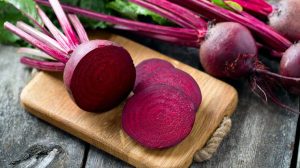
5. Beets;
Natural foods for high BP
Like blueberries, beets are rich in nitric oxide, which lowers blood pressure. Beetroot juice can help reduce your systolic blood pressure by four to five mmHg, according to research. Incorporate beetroot juice into your diet and if you purchase store bought juice, ensure that sugar hasn’t been added.
6. Sweet potatoes;
Sweet potatoes, which are high in potassium and magnesium, are an integral part of a diet that lowers blood pressure. Additionally rich in fiber, sweet potatoes are heart- healthy.
Summary
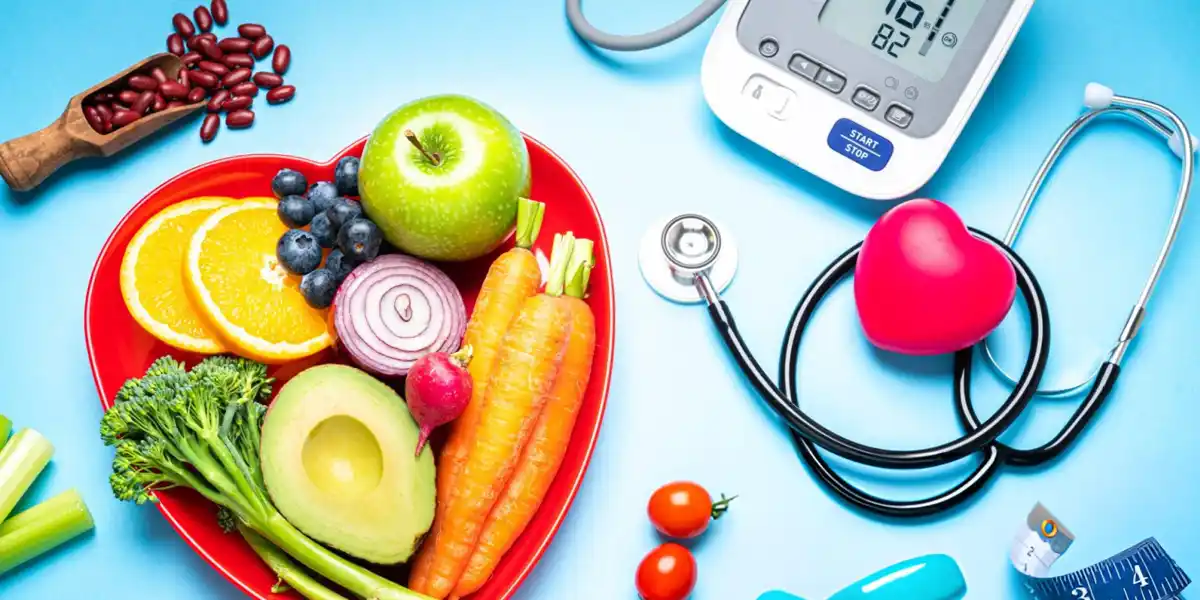
Reducing processed foods and salt is typically the first thing that comes to mind when thinking about ways to try to reduce high blood pressure. But a heart-healthy diet involves more than just cutting back on salt.
How to control BP. When the force of blood pushing against your artery walls is continuously too great, you have high blood pressure, also known as hypertension. Often referred to as a “silent killer,” it typically exhibits no signs until significant harm is done. Regular readings are the only method to find out your state.
HOW TO CONTROL BP
Over time, uncontrolled hypertension puts a load on your organs and arteries. In addition to causing kidney failure, eyesight loss, aneurysms, and cognitive decline if untreated, this silent killer dramatically raises the chance of fatal events including heart attacks and strokes. Managing one’s lifestyle is essential for maintaining a healthy lifestyle and controlling blood pressure can help avoid, postpone, or minimize the need for medication.
1. Exercise regularly;

Additionally, exercise helps prevent high blood pressure, or hypertension, from developing from higher blood pressure. Frequent exercise helps lower bloodpressure. Frequent exercise helps lower blood pressure in hypertensive individuals to safer levels.
Aerobic exercises such as walking, jogging, cycling, swimming, or dancing can help reduce blood pressure. High intensity interval training is another option. Short bursts of vigorous exercise are interspersed with slower intervals of activity during this kind of training.
2. Eat a healthy diet;
Up to 11 mm Hg can be taken off of high pressure by eating a diet high in whole grains, fruit, vegetable, low fat dairy products and low in cholesterol and saturated fat. Dietary Approaches to stop Hypertension ( DASH) and mediterranean diets are two examples of diets that can lower blood pressure.
3. Reduce salt (sodium) in your diet;

Reducing sodium consumption even slightly can have a positive impact on heart health and lower high blood pressure by 5 to 6 mm Hg
To reduce sodium in the diet
i. Examine the labels on food. Seek for foods and beverages that have reduced salt content.
ii. Reduce your intake of processed foods. Processing adds the majority of the sodium.
iii Use spices or herbs to give food flavor. Cook.
iv. You can regulate the food’s salt content by cooking it.
4. Limit alcohol;
Reducing alcohol consumption to no more than one drink for women or two for men each day will help reduce blood pressure by roughly 4 mm Hg. Twelve ounces of beer, five ounces of wine, or 1.5 ounces of 80 proof liquor make up one drink. However, excessive alcohol use can cause bloodpressure to rise several points. Additionally, it may lessen the benefits of blood pressure drugs.
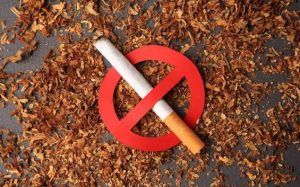
5. Quit smoking;
How to control BP
Blood pressure rises during smoking. Giving up smoking reduces blood pressure. Additionally, it can enhance general health and lower the risk of heart disease, which may prolong life.
6. Get a good night’s sleep.

How to control BP
Less than six hours of sleep per night for few weeks is considered poor sleep quality and can lead to hypertension. Many conditions, such as sleep apnea, restless legs syndrome, and insomnia in general legs syndrome, and insomnia in general, can interfere with sleep.
Summary
Reducing processed foods and salt is typically the first thing that comes to mind when thinking about ways to try to reduce high blood pressure. But a heart-healthy diet involves more than just cutting back on salt.

Side effects of low self esteem

Tips for self esteem improvement

High BP Health threats

A Step-by-Step Guide to Deleting Reels on Instagram

A Comprehensive Guide to Setting Up a YouTube Premiere