Classrooms
Classroom Rules Creation

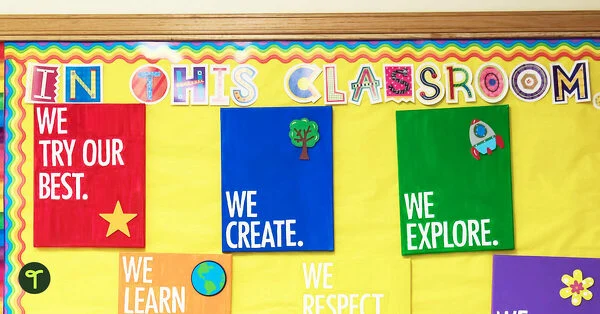

Classroom rules and creation. By establishing explicit behavioral expectations, eliminating interruptions, and promoting mutual respect, classroom rules offer structure, safety, and focus. This improves student involvement, academic performance, and self-discipline while lowering teacher stress. Involving students in the creation of rules increases their sense of community, ownership, and responsibility, which increases the likelihood that they will adhere to rules for a successful, supportive learning environment.
CLASSROOM RULES CREATION
By emphasizing respect for oneself and others, being prepared to learn (being on time, on task), following instructions, and responsible behavior like cleaning up and using kind language, effective classroom rules create a safe, courteous, and productive learning environment. Common rules include raising hands, listening when others speak, and keeping hands to yourself. Classroom regulations can feel restrictive, confining, and often downright unfair to many kids. Finding a balance between the requirement for structure and order and the goal of creating a cooperative, enjoyable learning environment is challenging. Effective classroom management strategies, however, involve creating guidelines that direct student learning and establish standards for classroom conduct.
1. However, Construct the base Improved student academic performance, civil conversations, and a growth mentality are just a few advantages of creating a classroom that seems like a community. When made based on shared classroom values, classroom rules can foster a sense of community.
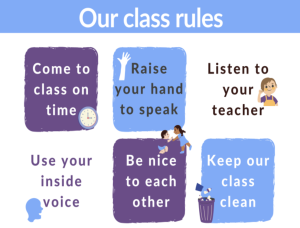
Classroom rules and creation
2. Although, Engage students in formulating rules for the classroom. Present your students with the core principles you wish to see in your classroom. Allow pupils to list and infer actions that exemplify important concepts. Encourage them to imagine what each may look like in the classroom and to create concrete scenarios that embody the principles they have come up with. Together, come up with a final set of guidelines after brainstorming. Which are the most significant in the eyes of the students?
3. Present the rules of the classroom in an imaginative way On the first day of school, your kids hate nothing more than to sit at their desks and listen to you read out a lengthy, black-and-white list of regulations that they wish were still on summer vacation. Introduce the rules of the classroom in an interesting way to spark students’ imaginations on the first day of class.
Classroom rules and creation
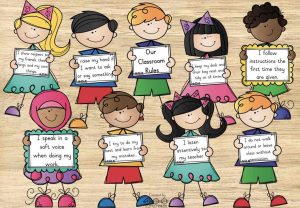
4. Be explicit Whether they are aware of it or not, students do best academically in a setting with clear guidelines. Classroom norms and general regulations are a fantastic place to start.
Classroom rules and creation
5. Also, Clearly state the consequences. Every classroom needs routine and structure, and as a teacher, you must strictly enforce the rules without favoritism or compromising on the severity of the penalties. If you don’t respect and enforce the rules, students won’t either.
Summary
In order to create three to five clear, positive, action-oriented rules (such as “Raise your hand to speak,” “Keep hands and feet to yourself”) that are taught, practiced with modeling, and displayed for ownership, students must first brainstorm their hopes and dreams. This process ensures that the rules foster a respectful, safe, and productive learning environment for all students.

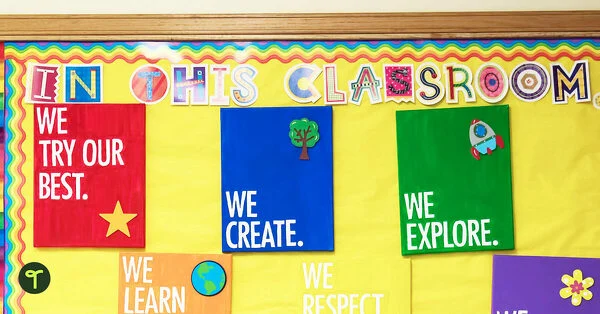
Tips for Creating Classrooms Rules. For many children, classroom rules might feel constrictive, harsh, and limiting. It is difficult to strike a balance between the need for order and organization and the objective of fostering a fun, collaborative learning environment. However, developing rules that drive student learning and set expectations for classroom behavior is a key component of effective classroom management techniques.
TIPS FOR CREATING CLASSROOMS RULES
Clear guidelines that support learning, safety, and mutual respect are known as classroom rules. Good rules allow everyone to concentrate by keeping the room peaceful and quiet. Teachers typically choose three to five basic guidelines that their pupils must abide by each day.
Tips;
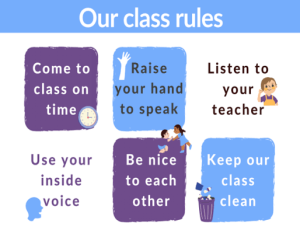
1. However, Construct the base Improved student academic performance, civil conversations, and a growth mentality are just a few advantages of creating a classroom that seems like a community. When made based on shared classroom values, classroom rules can foster a sense of community.
2. Although, Engage students in formulating rules for the classroom. Present your students with the core principles you wish to see in your classroom. Allow pupils to list and infer actions that exemplify important concepts. Encourage them to imagine what each may look like in the classroom and to create concrete scenarios that embody the principles they have come up with. Together, come up with a final set of guidelines after brainstorming. Which are the most significant in the eyes of the students?
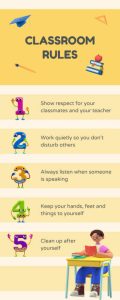
Tips for Creating Classrooms Rules
3. Present the rules of the classroom in an imaginative way On the first day of school, your kids hate nothing more than to sit at their desks and listen to you read out a lengthy, black-and-white list of regulations that they wish were still on summer vacation. Introduce the rules of the classroom in an interesting way to spark students’ imaginations on the first day of class.
4. Be explicit Whether they are aware of it or not, students do best academically in a setting with clear guidelines. Classroom norms and general regulations are a fantastic place to start.
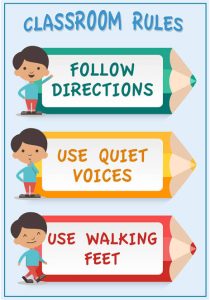
Tips for Creating Classrooms Rules
5. Also, Clearly state the consequences. Every classroom needs routine and structure, and as a teacher, you must strictly enforce the rules without favoritism or compromising on the severity of the penalties. If you don’t respect and enforce the rules, students won’t either.
Summary
Keep the list of rules for the classroom brief (three to five), use positive language that emphasizes desired behaviors rather than prohibitions, and involve students in the drafting process to foster a sense of community ownership. A secure and effective learning environment is facilitated by clear and succinct expectations.

The Causes of Political Apathy

Child Neglect and Causes

Environment Care Tips

A Step-by-Step Guide to Deleting Reels on Instagram

A Comprehensive Guide to Setting Up a YouTube Premiere

How to Create a WhatsApp Group
-

 Business3 weeks ago
How to Promote your Business
-

 Fashion3 weeks ago
Fashion Guide for Beginners
-

 Business3 weeks ago
Tips for Running Online Business
-

 Business2 weeks ago
Business Name Selection Tips
-

 TECHNOLOGY3 weeks ago
Artificial Intelligence and the Future
-

 Business1 week ago
Customers Satisfaction