Population
Consequences of Overpopulation



Consequences of overpopulation. In addition to causing socioeconomic problems like unemployment, poverty, strain on public services (healthcare, education), and increased social tension or conflict, overpopulation puts a strain on resources like food, water, and energy, resulting in scarcity, higher living costs, and environmental harm like pollution, deforestation, and biodiversity loss. Because of overcrowding, it speeds up climate change and raises the danger of disease transmission.
CONSEQUENCES OF OVERPOPULATION
Overpopulation, which is caused by high birth rates, lower medical mortality, and a lack of family planning, results in problems like resource scarcity, habitat loss, and increased conflict. Solutions include education, empowerment, and sustainable practices. Overpopulation is defined as a population that exceeds its environment’s capacity to provide resources, straining food, water, land, and potentially causing societal/ecological collapse.
Causes;
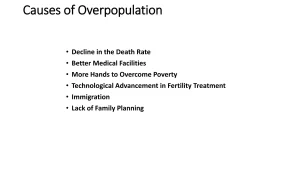
1. Declining mortality rates: One of the main causes of overpopulation is the decline in mortality rates. Science and technological advancements are primarily to blame for this. People who receive the recommended immunizations and drugs live longer and in better health.
2. Lack of family planning: Although many people in developing nations are literate, they are not well-informed on family planning. The main causes of inadequate family planning include a lack of knowledge about contraception, cultural and religious pressures, and inadequate education.
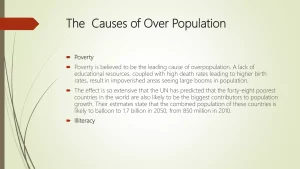
3. High literacy rates: Because of the high literacy rates, people were becoming more aware of the issue. Through appropriate nutrition and a balanced diet, the majority of people in the modern age began leading healthy lives. People lived longer as a result, leading to generations that were healthier.
Effects;
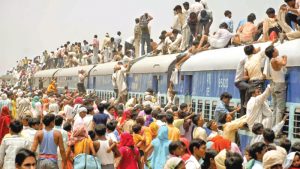
CONSEQUENCES OF OVERPOPULATION
1. More than 80% of urban and industrial sewage is thrown into neighboring lakes, causing water scarcity and pollution. This results in the contamination and pollution of water supplies.
2. Deforestation:

An increasing number of forests are being entirely cleared for commercial and industrial uses. Eventually, this may cause global warming.
3. A surge in unemployment is a result of a nation’s overpopulation. This indicates that the number of employment opportunities is out of proportion to the number of open positions.
4. Soil erosion: Overgrazing of cattle and tree cutting for road and home construction are the main causes of soil erosion. Soil erosion results from this soil loosening.
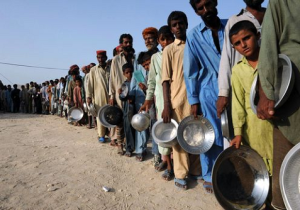
CONSEQUENCES OF OVERPOPULATION
5. Threat to wildlife: The wildlife is already under danger due to overhunting. A few of the animals are already listed as endangered species. This is due to the fact that food supply cannot keep up with population growth. Overpopulation has led to an increase in food demand, which has had a detrimental impact on wildlife.

CONSEQUENCES OF OVERPOPULATION
6. An increase in living expenses: As a result of population growth, there is a significant gap between supply and demand. People must pay more for goods because the supply of many commodities is running low. Living expenses rise as a result. UN Population Division
Summary
There are 10,000 times more people than there should be. Overpopulation is one of the biggest issues confronting humanity. When there are more people on Earth than the planet’s normal carrying capacity, this is referred to as overpopulation.


Review for saint laurent black

Varieties of perfumes for women

Feminine body mists

A Step-by-Step Guide to Deleting Reels on Instagram

A Comprehensive Guide to Setting Up a YouTube Premiere