stress
Anxiety and Stress Analysis

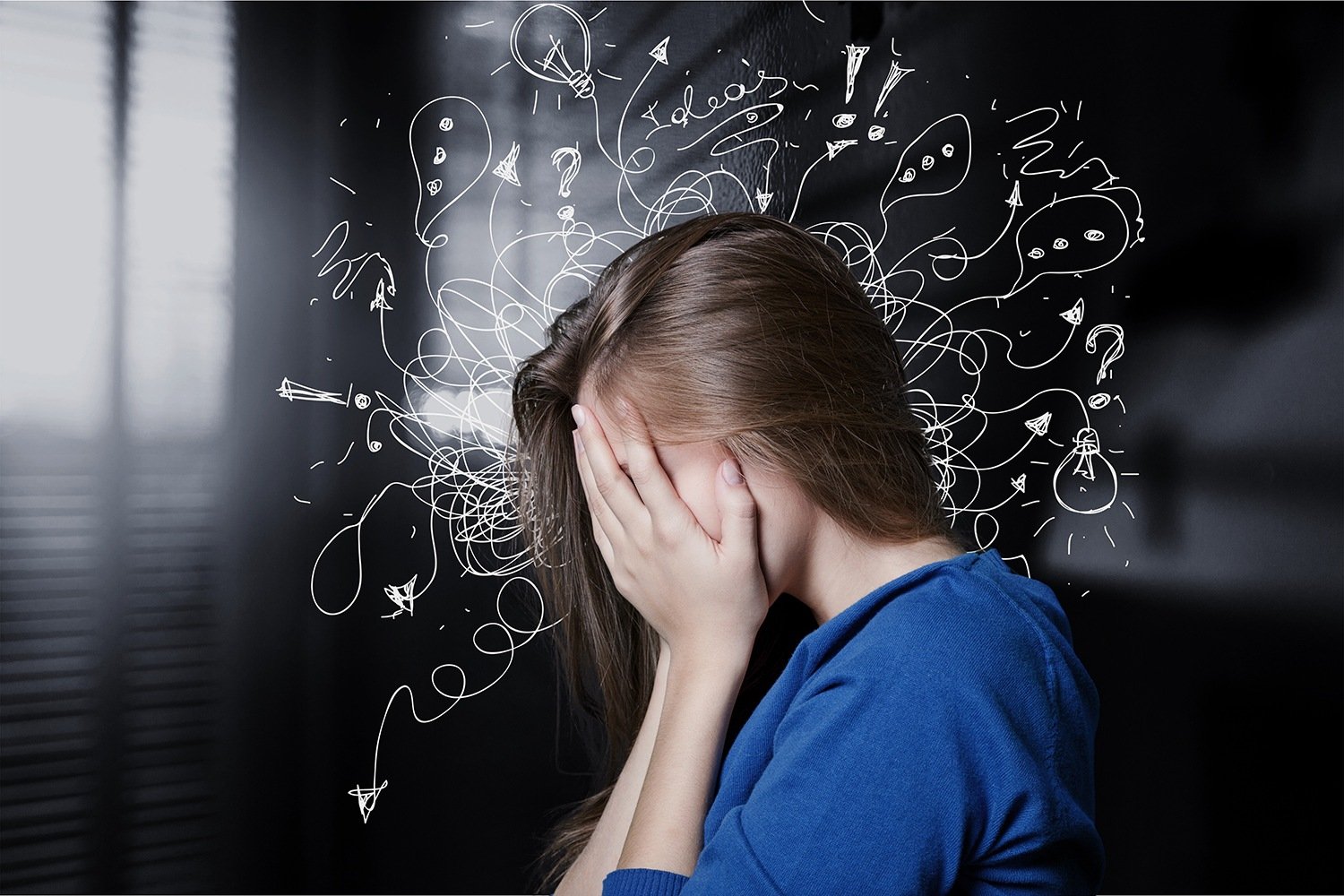
Anxiety and stress analysis. They are two different but linked emotional reactions to pressure. Usually, stress is a response to recognizable, outside threats that subsides as the circumstance passes. Anxiety is frequently characterized by excessive, ongoing anxiety that doesn’t have a direct cause and shows up as fear or dread. Insomnia and tense muscles are common physical signs of both, but anxiety can seriously interfere with day-to-day functioning.
ANXIETY AND STRESS ANALYSIS
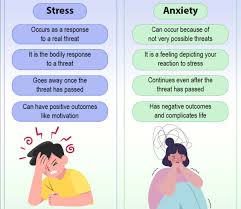
Anxiety is a continuous, internal emotion that can happen without a clear reason, whereas stress is usually a reaction to an external circumstance and is frequently transient. Knowing the difference can make it easier to select the best coping mechanisms and ask for assistance when necessary. Although the terms stress and anxiety are frequently used interchangeably, they are two different experiences with different causes and outcomes. To help distinguish between the two, here is a quick summary:
1. Nature and Causes;
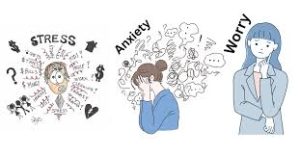
• Stress is a response to external pressures or demands, such as work deadlines, financial challenges, or personal responsibilities. It’s often situational and tends to subside once the stressor is removed.
• Anxiety, on the other hand, is more internal and persistent. It often involves excessive, ongoing worry or fear that may not have a clear or immediate cause. Anxiety can occur even without a specific trigger.
2. Symptoms;
Anxiety and stress analysis
• Stress may lead to symptoms like irritability, fatigue, difficulty concentrating, and physical tension. It can be short-term or chronic, depending on how long the stressor lasts.
• Anxiety can include similar symptoms but is often accompanied by excessive worry, restlessness, rapid heartbeat, and sometimes panic attacks. It tends to last longer and may interfere with daily life.
3. Duration;
Anxiety and stress analysis
• stress usually resolves once the challenging situation is managed or completed.
• Anxiety may persist even after the stressor is gone and can develop into an anxiety disorder if it becomes overwhelming and unmanageable.
Summary
Anxiety is a chronic, excessive fear or worry that frequently persists after a stressor has passed, whereas stress is a response to an external, current threat or demand (such as deadlines). Both have similar symptoms, such as weariness, sleeplessness, and a fast heartbeat. Changes in lifestyle, counseling, and, if required, medication are all part of management.




Reasons for water pollution

Tips for washing hair

Relevance of water consumption

A Step-by-Step Guide to Deleting Reels on Instagram

A Comprehensive Guide to Setting Up a YouTube Premiere