
Health
Breakfast and weight loss


Breakfast and weight loss. Including a balanced meal in your morning routine might have several advantages beyond just sating hunger, even though breakfasts might not be a one-size-fits-all strategy for weight loss. Eating breakfast can pave the way for effective weight management and better general health by boosting your metabolism, reducing overeating, maintaining stable blood sugar levels, and improving mood and cognitive performance. To enjoy the benefits of a healthy start to your day, make it a priority to fuel your body with nutrient-dense meals in the morning, whether you choose a substantial breakfast spread or a quick and portable option.
BREAKFAST AND WEIGHT LOSS
For good reason, breakfast has long been regarded as the most significant meal of the day. It can help with weight management and general health in addition to giving your body and brain the vital nutrients they need after a night of fasting. Numerous studies indicate that having breakfast may be helpful for people trying to lose extra weight, even if the question of whether breakfast is essential for everyone is still up for debate. We’ll look at how eating breakfast every day can support your wellness objectives and aid in weight loss in this post.
1. Jumpstarts Metabolism;

Eating breakfast can kickstart your metabolism, helping you burn calories more efficiently throughout the day. When you eat breakfast, especially a meal that includes protein and fiber-rich foods, your body begins to digest and metabolize the nutrients, which requires energy. This process, known as thermogenesis, can boost your metabolic rate and increase calorie expenditure, setting the stage for weight loss and improved energy balance over time.
2. Curbs Overeating Later in the Day;
Skipping breakfast may lead to increased hunger and overeating later in the day, as your body compensates for the missed meal by seeking out more food to satisfy its energy needs. By eating a balanced breakfast in the morning, you can help regulate your appetite and prevent excessive snacking or overindulgence at subsequent meals and snacks. Additionally, starting your day with a nutritious breakfast can help set a positive tone for your eating habits throughout the day, making it easier to make healthier choices and resist temptation.
3. Supports Stable Blood Sugar Levels;

Breakfast and weight loss
Eating breakfast can help regulate blood sugar levels and prevent spikes and crashes that can lead to cravings and overeating. When you skip breakfast, your body may experience fluctuations in blood sugar levels, which can trigger hunger and cravings for high-calorie, sugary foods. By consuming a balanced breakfast that includes protein, complex carbohydrates, and healthy fats, you can provide your body with a steady source of energy and nutrients, helping to keep hunger and cravings at bay and promoting more stable blood sugar levels throughout the day.
4. Enhances Cognitive Function and Mood;

Breakfast and weight loss
Breakfast not only fuels your body but also nourishes your brain, supporting cognitive function, concentration, and mood. Studies have shown that eating breakfast is associated with improved mental performance, memory, and mood, which can have a positive impact on your overall well-being and productivity. By starting your day with a nutritious breakfast, you can feel more alert, focused, and energized, making it easier to stay on track with your weight loss goals and maintain a positive outlook on your health journey.
Summary
Losing 0.5 to 1 kg (1-2 lbs) each week using a combination of a 600-calorie daily deficit, nutrient-dense food, and 150 minutes of weekly activity is the greatest way to accomplish sustainable weight loss. Eating a lot of protein, fiber, and minimizing sugar and fat are all effective tactics.




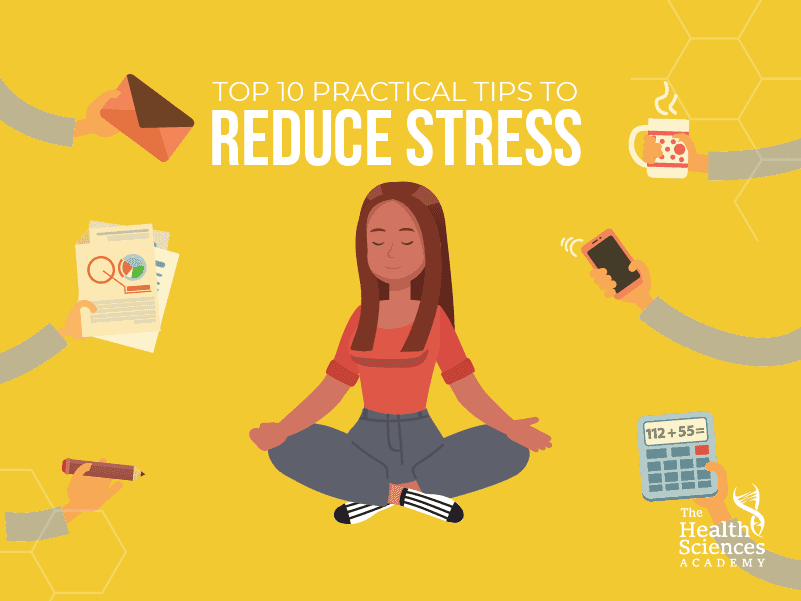
How to avoid stress. A combination of relaxation methods (such as yoga, deep breathing, and meditation), exercise, and dietary and sleep improvements are all necessary for effective stress management. Setting limits (saying “no”), effectively managing time, laughing frequently, and establishing solid social support are all important tactics. Cortisol levels can be lowered by taking up hobbies and practicing mindfulness.
HOW TO AVOID STRESS
Stress, which sets off a “fight-or-flight” response, is a normal bodily and psychological reaction to pressure, overwhelming circumstances, or perceived threats. Chronic stress results in symptoms like worry, headaches, and exhaustion, yet short-term stress can help concentrate. Serious health problems (heart disease, depression) are among the long-term consequence
Do you feel a lot of pressure (Stress) all the time? How much sleep are you getting? Are you taking time out for physical, mental, and spiritual healing? Stress can be quite harmful to your health if it is not properly controlled. It can be overpowering at times. While some stress is inevitable, circumstances that could add to your emotional load should be avoided.
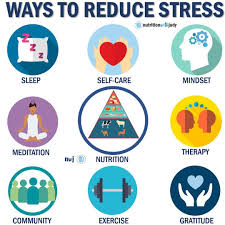
bad romantic relationships, bad job settings, and financial stress can all be prevented with thoughtful planning and attentive activities. This entails terminating relationships that no longer make you happy, so if the atmosphere at work is poisonous, get out there and network early to find a better, healthier job.
why you need to avoid pressure and take control of your happiness.
1. Stress increases your risk of heart attack and stroke;

Your blood pressure rises during a fight or flight scenario to give your muscles more oxygen and nourishment. Prolonged high blood pressure damages the arteries by putting stress on their flexibility
Due to this injury, the arteries are more susceptible to the accumulation of fat, which ultimately narrows the blood vessel. Numerous vitamins, such as potassium magnesium, vitamin C, vitamin D and B vitamins, can help decrease blood pressure. Feed today to prevent heart problems in the future.
2. It can change the composition of your gut bacteria;
Because our minds and stomachs are tightly connected, you may have observed that thinking about something can cause an abrupt increase in appetite or decrease in it.
Anxiety before to a significant occasion can affect digestion, and stress modifies the contractions in the digestive tract the aid in the breakdown of food
3. It causes poor food cravings;

HOW TO AVOID STRESS
Why do we feel the need for unhealthy food and beverages after a difficult day? Although your body is in survival mode and your flight or flight reaction momentarily suppresses your appetite, one of the hormones, cortisol, metabolizes carbohydrates and sugar at this time
In exchange, the body will begin to yearn for foods high in calories to refuel. Regrettably, muscular loss can also result from high cortisol levels. Therefore, pressure has no place in our life if it causes our busy queen to gain weight or lose muscle mass.
3. Stress causes fatigue;

HOW TO AVOID STRESS
Excruciating tiredness can result from ongoing stress. pressure may make it difficult to fall asleep, and over time, sleep deprivation can lead to both physical and mental exhaustion.
Summary
Although it is hard to totally eradicate stress from your life, you may successfully prevent excessive stress by altering how you handle your surroundings and react to demands.
Smoking and mental health. It has a detrimental effect on dental health, increasing the risk of oral cancer, causing tooth discolouration, gum disease, delayed healing, poor treatment outcomes, foul breath, and accelerated tooth decay. One of the most important things people can do to safeguard their general health and oral health is to stop smoking. People can reduce the harm caused by smoking and have healthier teeth and gums for years to come by quitting the habit and implementing a thorough oral hygiene regimen.
SMOKING AND MENTAL HEALTH
Smoking is a well-known health risk that negatively impacts all of the body’s systems and organs. Dental health is one area that frequently gets less attention yet is significantly impacted by smoking. Smoking can have substantial negative effects on teeth, ranging from discolouration to serious dental illnesses. Let’s see how smoking harms tooth health:
1. Tooth Discoloration;
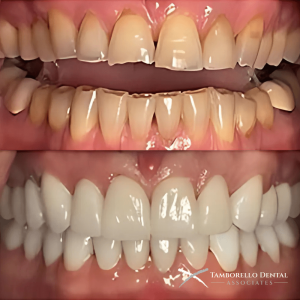
Perhaps the most visible effect of Smoking on the teeth is discoloration. Nicotine and tar, two prominent components of tobacco smoke, can gradually stain the enamel, causing teeth to take on a yellow or brownish hue. This discoloration is not only unsightly but can also be challenging to remove through regular brushing and cleaning.
2. Increased Risk of Gum Disease;
Smoking weakens the immune system and reduces blood flow to the gums, making smokers more susceptible to gum disease. Periodontal disease, characterized by inflammation and infection of the gums and surrounding tissues, is more prevalent and progresses more rapidly in smokers. Left untreated, gum disease can lead to tooth loss and even affect overall health, contributing to conditions such as heart disease and respiratory problems.
3. Delayed Healing;
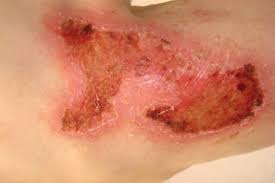
Smoking interferes with the body’s ability to heal, including the healing process in the mouth. After dental procedures such as extractions or oral surgeries, smokers experience slower healing times and are at higher risk of complications such as dry socket, where the blood clot necessary for healing becomes dislodged or fails to form properly.
4. Increased Risk of Oral Cancer;
Tobacco smoke contains numerous carcinogens (cancer-causing agents) that can damage cells in the mouth and lead to the development of oral cancer. Smokers are at significantly higher risk of oral cancer, including cancers of the lips, tongue, cheeks, and throat. The risk increases with the duration and intensity of smoking.
5. Reduced Success of Dental Treatments;

Smoking and mental health
Smokers may experience reduced success rates and poorer outcomes with various dental treatments compared to non-smokers. For example, dental implants are more likely to fail in smokers due to compromised healing and increased risk of gum disease. Similarly, smokers may have less predictable results with tooth whitening procedures and may require more frequent touch-ups due to continued staining from smoking.
6. Halitosis;
Smoking contributes to dry mouth and reduces saliva production, leading to the proliferation of odor-causing bacteria in the mouth. This can result in persistent bad breath, or halitosis, which is not only socially embarrassing but also a sign of poor oral health.
7. Accelerated Tooth Decay;
Smoking and mental health
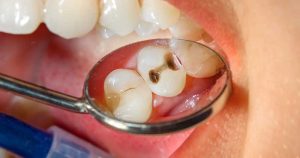
Smoking weakens the enamel of the teeth and increases the acidity of the mouth, creating an environment conducive to tooth decay. Smokers are more prone to cavities and may experience more rapid deterioration of their dental health compared to non-smokers.
Summary
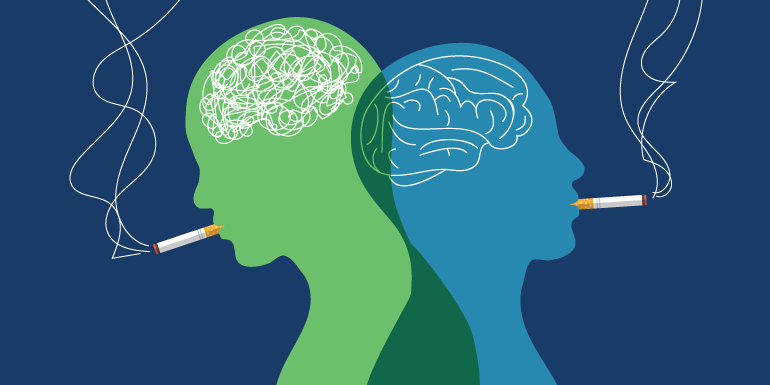
There is a strong correlation between smoking and mental health; tobacco users are more likely to have psychosis, anxiety, and depression. Nicotine actually exacerbates anxiety over time, despite the fact that many people smoke to reduce stress. It has been demonstrated that giving up smoking enhances mental health, lowering stress, anxiety, and depression while raising general quality of life.

Salt water gargle and soothing relief. Gargling with warm saltwater is an easy and affordable way to treat a variety of throat conditions. You can make and utilize a warm saltwater gargle to relieve pain, lessen inflammation, and aid in healing by following the simple instructions provided in this article. For a natural and efficient way to maintain throat health, include this tried-and-true solution in your self-care regimen.
SALT WATER GARGLE AND SOOTHING RELIEF
A straightforward yet efficient treatment for a range of throat conditions, from mild oral infections to sore throats, is a warm saltwater gargle. By lowering inflammation, eliminating bacteria, and releasing mucus, this traditional treatment can offer immediate relief. We’ll look at how to make and use a warm saltwater gargle for calming relief in this article.
Ingredients:

– Warm water
– Salt
Instructions:
1. Start by boiling water to ensure its purity. Let it cool slightly until it’s comfortably warm to the touch but not scalding hot. Hot water can cause burns, so it’s essential to test the temperature before use.
2. Measure out approximately one cup (8 ounces) of warm water. This amount is sufficient for a single gargle session.
3. Add salt to the warm water. The ideal ratio is about 1 teaspoon of salt per cup of water. This concentration helps create an isotonic solution, which means it matches the salt concentration inside your cells and won’t cause irritation.
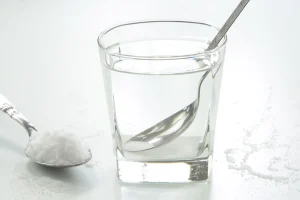
4. Stir the mixture until the salt is completely dissolved. This ensures an even distribution of salt throughout the water.
5. Once the salt is dissolved, the warm saltwater gargle solution is ready for use.
How to Use Warm Saltwater Gargle:
1. Take a small sip of the warm saltwater solution and tilt your head back slightly.
2. Gargle the solution in the back of your throat for about 30 seconds to one minute. Make sure to swish it around your mouth and throat thoroughly.
3. Spit out the saltwater solution into the sink. Do not swallow it, as it may contain bacteria and debris from your throat.

4. Repeat the gargling process with the remaining solution if needed.
5. For optimal results, gargle with warm saltwater several times a day, especially when experiencing throat discomfort or irritation.
Benefits of Warm Saltwater Gargle:
– Reduces inflammation: Saltwater helps to soothe inflamed tissues in the throat, providing relief from soreness and discomfort.
– Kills bacteria: The saline environment created by saltwater gargle can help kill bacteria and viruses, reducing the risk of infection.

Salt water gargle and soothing relief
– Loosens mucus: Gargling with warm saltwater can help loosen mucus and phlegm, making it easier to expel from the throat and nasal passages.
– Promotes healing: Saltwater gargle can aid in the healing process of minor mouth irritations, such as canker sores and gum inflammation.
Precautions:

Salt water gargle and soothing relief
– Avoid using excessively hot water, as it can cause burns to the mouth and throat.
– Do not swallow the saltwater solution, as it may contain bacteria and debris from your throat.
– If you have high blood pressure or other medical conditions, consult with your healthcare provider before using saltwater gargle regularly.
Summary
A salt water gargle is a cheap, safe, and very efficient home cure for alleviating oral discomfort, lowering inflammation, and soothing a sore throat. Through a process known as osmosis, the salt extracts fluids from inflammatory tissues and forms a barrier that keeps water and dangerous germs out.

How to avoid work mistakes

How to restart Iphone X

Home remedies and eyes irritation

A Step-by-Step Guide to Deleting Reels on Instagram

A Comprehensive Guide to Setting Up a YouTube Premiere

How to Create a WhatsApp Group
-

 Social media4 weeks ago
How to Delete Reels on IG
-

 Photography3 weeks ago
Photography and Outdoors
-

 Music3 weeks ago
Lyrics for Iké Nilé
-

 Social media3 weeks ago
Tips for likes and Followers on Facebook
-

 Social media4 weeks ago
Guidelines for Uploading Videos on Youtube
-

 Social media3 weeks ago
Guidelines for Creating a Facebook Page