tooth health
Healthy teeth and gums

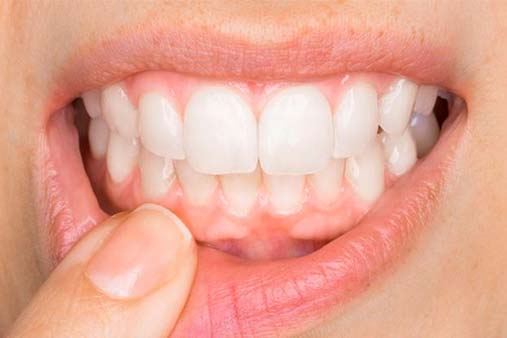
Healthy teeth and gums. A regular daily regimen focused on eliminating bacteria and plaque is necessary to maintain healthy gums and teeth. Flossing every day to clean in between teeth, avoiding sugary foods, brushing twice a day with fluoride toothpaste, and scheduling routine professional cleanings are all important habits.
HEALTHY TEETH AND GUMS
Healthy gums fit tightly around your teeth, are firm and light pink (depending on natural color), and don’t bleed when you brush or floss. Maintaining them calls for consistent expert care, a healthy lifestyle, and everyday dental hygiene.
Maintaining healthy teeth and gums requires practicing good oral hygiene. It entails routine dental checkups and brushing twice a day, among other practices.
The following are some best practices that can keep teeth and gums healthy..
1. Brush regularly;
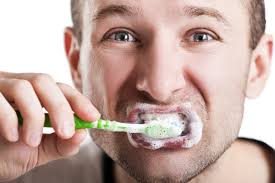
Most people know that one of the most crucial habits for keeping teeth clean and free of plaque and bacteria is brushing twice a day Brushing, though,might only work if people apply the right technique. Brushing should be done in small circular strokes, being careful to brush each tooth’s top, rear, and front. Two to three minutes are needed for this process. Its best to refrain from sawing back and forth
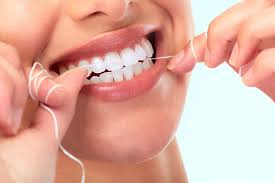
2. Floss once a day ;
Plaque and bacteria that a toothbrush cannot reach between teeth can be removed by flossing. By clearing food particles and debris that have lodged between teeth, it can also aid in the prevention of bad breath.
Most dental health professionals recommend gently pushing the floss all the way down to the gumline before hugging the side of the tooth with up-and-down motions. It is important to avoid snapping the floss up and down between the teeth, which can cause pain and will not remove plaque as effectively.
3. See a dentist regularly;
It is advised by experts that people get checked out by a dentist every six months. A hygienist will clean the teeth and remove plaque and hardened tartar during a normal dental examination. The dentist will look for outward indicators of oral health problems such as gum disease, cavities, mouth cancer, and others. Oral X-rays are another tool they occasionally might use to look for cavities.
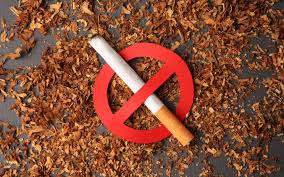
4. Do not smoke;
Healthy teeth and gums
The immune system is weakened by smoking, which makes it more difficult for the body to repair tissues, including oral tissues. The ADA cautions that smokers may have delayed healing following dental work, and the CDC lists smoking as a risk factor for gum diseaseTrusted Source. Smoking also taints the mouth’s look by yellowing the tongue and teeth and producing an unpleasant breath odor.
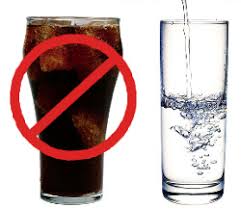
5. Drink water;
Healthy teeth and gums
The main source of added sugars is beverages that have been sweetened with sugar.Reliable Source regarding Americans’ normal diets. Consuming sugary beverages such as juice, soda, or other caloric drinks can increase the risk of cavities. The American Dental Association advises against consuming sugar-sweetened beverages during the day and to stick to small amounts of water or unsweetened tea.
Summary
A straightforward yet regular daily practice of cleaning, wise eating, and expert care are necessary to maintain healthy teeth and gums. By doing these things, you may safeguard your general health and avoid cavities, foul breath, and gum disease.
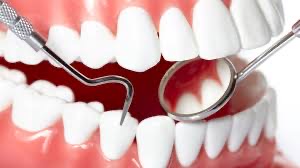


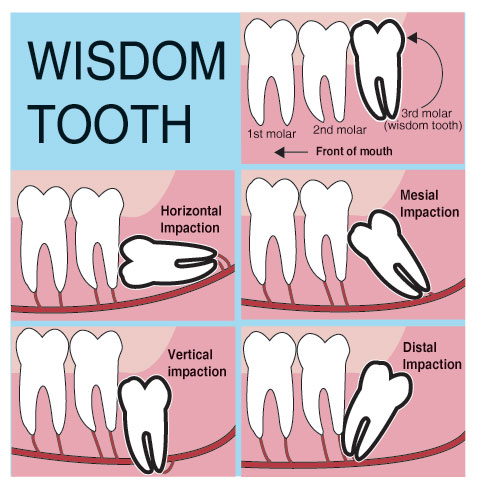
Wisdom teeth and growth processes. It’s crucial to remember that not everyone has symptoms when their wisdom teeth erupt. Some people may have wisdom teeth that have fully erupted without any pain or discomfort, while others may need treatment because of issues including crowding, impaction, or infection. X-rays and routine dental examinations can help track the growth and eruption of wisdom teeth and spot any possible problems early. See your dentist for appropriate assessment and treatment if you encounter any of the aforementioned symptoms.
WISDOM TEETH AND GROWTH PROCESSES
The last set of teeth to emerge in the human dentition are the third molars, commonly known as wisdom teeth. These teeth typically begin to erupt in late adolescence or early adulthood, usually between the ages of 17 and 25. While the signs and symptoms associated with the eruption of wisdom teeth can vary from person to person, there are several common signs to look out for:
1. Pain or Discomfort;
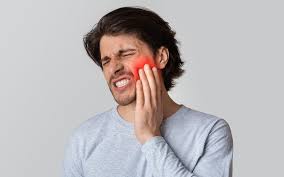
One of the most noticeable signs of wisdom tooth eruption is pain or discomfort in the back of the mouth. This discomfort may be intermittent or persistent and can range from mild to severe. It may be exacerbated by chewing, biting, or pressure on the affected area.
2. Swelling and Tenderness;
Swelling and tenderness in the gum tissue around the erupting wisdom teeth are common symptoms. The gum tissue may appear red, inflamed, and sensitive to touch. Swelling can contribute to difficulty in opening the mouth fully or discomfort when swallowing.
3. Gum Flap or Tissue Overgrowth;
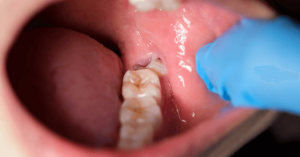
As wisdom teeth begin to emerge, a flap of gum tissue called an operculum may partially cover the tooth, creating a pocket where food particles and bacteria can become trapped. This can lead to inflammation, infection, and discomfort.
4. Difficulty Opening the Mouth;
In some cases, the eruption of wisdom teeth may cause stiffness or limited range of motion in the jaw, making it challenging to open the mouth fully. This symptom, known as trismus, can be due to inflammation of the surrounding tissues or pressure from the erupting teeth.
5. Crowding or Shifting of Teeth;
Wisdom teeth and growth processes
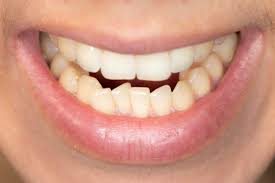
The presence of wisdom teeth can exert pressure on adjacent teeth, causing them to shift position or become crowded. This can lead to changes in dental alignment, bite irregularities, and increased risk of dental problems such as decay and gum disease.
6. Jaw Pain or Headaches
Discomfort associated with wisdom tooth eruption can radiate beyond the immediate area of the mouth, leading to jaw pain, headaches, and even ear pain. This referred pain may be intermittent or constant and can vary in intensity.
7. Bad Breath or Unpleasant Taste;

Wisdom teeth and growth processes
Accumulation of food debris, bacteria, and plaque around partially erupted wisdom teeth can contribute to bad breath (halitosis) or an unpleasant taste in the mouth. Proper oral hygiene practices, including thorough brushing and flossing, can help alleviate these symptoms.
Summary
The last set of teeth to erupt are wisdom teeth, which usually appear between the ages of 17 and 25. Although they were once utilized to chew difficult, uncooked meals, they serve no purpose today and frequently result in problems including crowding, impaction, or infection. To avoid harming neighboring teeth, they are frequently extracted.
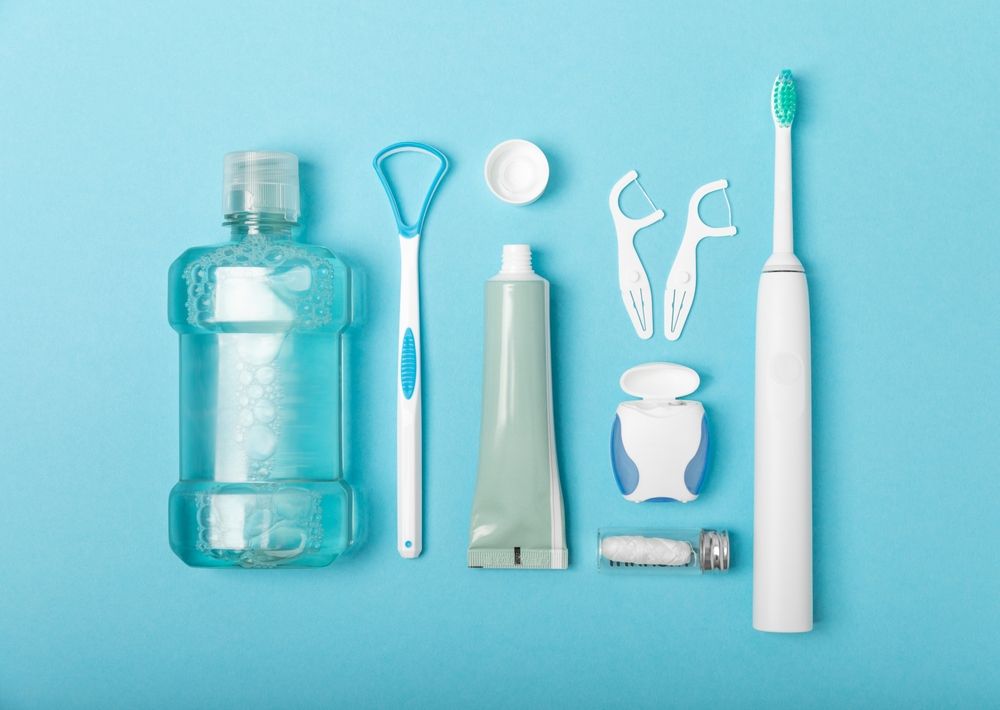
Dental needs and toothbrushes. Use a soft-bristled toothbrush twice a day for two minutes, changing it every three to four months, for the best possible dental health. Soft bristles avoid the hazards associated with medium or hard brushes, such as gum irritation and enamel damage. While manual toothbrushes work well when used correctly, electric toothbrushes are better for people with braces or limited dexterity.
DENTAL NEEDS AND TOOTHBRUSHES
In 1938, the first iteration of the toothbrush that we use today was created. Previous iterations included everything from tattered sticks to brushes with horsehair and feather bristles. Nowadays, purchasing a toothbrush is much more commonplace because brushing our teeth has become an integral part of the daily routine for most people. Nonetheless, there are still a lot of toothbrush options available, which may make it difficult to select the best toothbrush for your dental needs.
Types of Toothbrush;
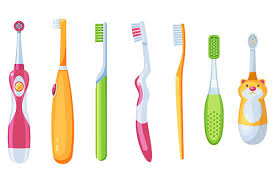
In order to shield their gums and tooth enamel from harsh brushing, the majority of dentists advise their patients to use toothbrushes with soft bristles. But there are a lot of different kinds of toothbrushes at your neighborhood grocery store; knowing what makes them different can help you select the right one for your purposes.
Manual Toothbrushes;
There are several types of manual toothbrushes available, including medium, hard, and soft bristles. Since soft bristles won’t irritate your gums or erode tooth enamel, they are typically safer and better for your dental health. Medium and firm bristle brushes, however, do remove more plaque; if you choose this course of action, be sure to brush your teeth gently and first consult your dentist.
Electric Toothbrushes;
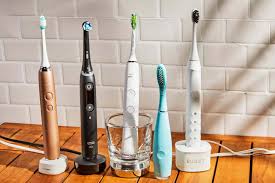
Dental needs and toothbrushes
Compared to side-to-side manual brushing options, electric toothbrushes are more comprehensive and effective, providing superior cleaning coverage thanks to their simple, multidirectional brushing abilities. They cost more than manual toothbrushes, which is a drawback. Nonetheless, there are various speed settings available, and frequently, replacing the brush heads is all that is needed rather than the complete apparatus.
Best Toothbrushes for Braces;
Although electric toothbrushes are a great choice in general, people wearing braces can benefit most from them as they provide a more thorough cleaning that reaches in between and under little metal components like brackets.
Best Toothbrushes for Sensitive Gums;
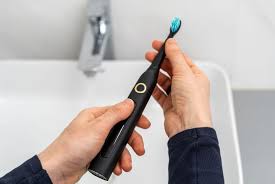
Dental needs and toothbrushes
Generally speaking, soft bristles toothbrushes are a suitable choice for anyone with gum disease or sensitive gums, particularly those who have difficulty flossing.
Summary
To prevent tooth decay and gum disease, everyday preventative care and routine professional examinations are essential dental needs. Flossing every day, brushing twice a day with fluoride toothpaste, and going to the dentist for cleanings every six months are important habits. Maintaining good dental hygiene promotes general systemic health and reduces discomfort and infection. To keep your gums healthy and clean, add a Sulcabrush or similar device into your daily regimen.
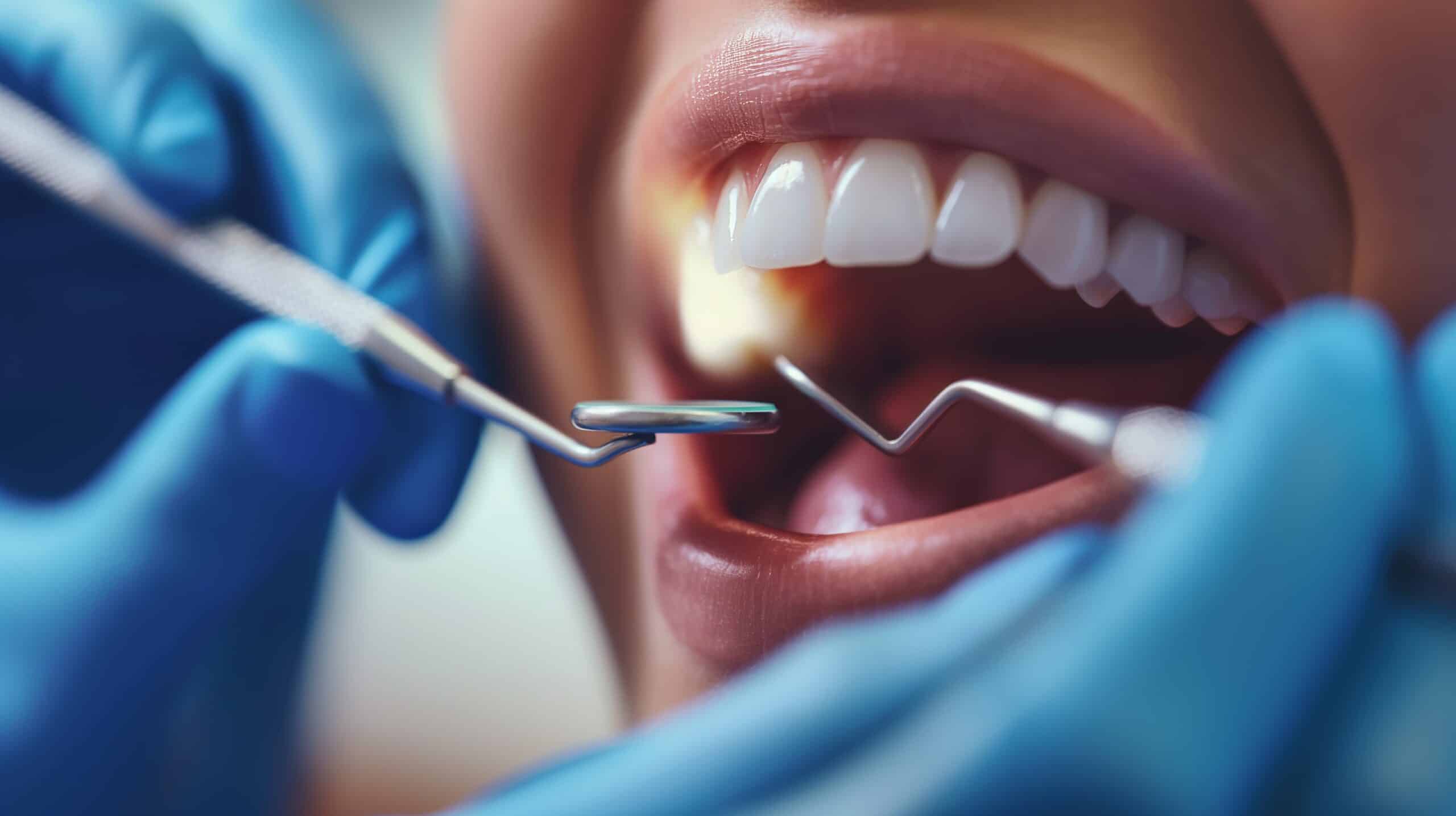
How to protect your teeth. Reducing sugary, acidic snacks, flossing every day to eliminate plaque, and brushing twice a day for two minutes with fluoride toothpaste are all ways to protect your teeth. To keep saliva flowing and prevent decay, drink water, abstain from smoking, and see a dentist every six months for cleanings.
HOW TO PROTECT YOUR TEETH
Drink lots of water, avoid sugary and acidic foods, and get your teeth cleaned every six months. To avoid gum disease, abstain from smoking and change your toothbrush every three to four months.
Take care of your teeth;

The eyes are said by some to be the window to the soul. However, if you truly want to understand someone, look at their smile. A wide smile or a scent of foul breath provide the wrong impression. A warm display of teeth gives a terrific first impression.
1. Brush two times a day for two minutes;

As advised by the American Dental association ( ADA), brush your teeth twice a day for two minutes each time. Food particles and germ are removed from your mouth by brushing your teeth and tongue with a soft bristled toothbrush and fluoride toothpaste. Additionally, brushing removes debris that erodes your teeth and contributes to cavities.
2. A morning brush fights morning breath;
It is 98.6°F ( 37°C) in the mouth. It is moist and warm, and it is teeming with bacteria and food fragments. These result in deposits known as plaque.It accumulates and causes your teeth to calcify, or harden, forming tartar, also known as calculus. Tartar not only irritates your gums but also contributes to foul breath and gum disease. You aid in removing the plaque that has accumulated over night, be sure you brush first thing in the morning.
How to protect your teeth
How to protect your teeth
Summary
Use a soft-bristled brush to brush your teeth twice a day for two minutes with fluoride toothpaste, and floss every day to get rid of plaque.

Healthy eyes

Men best colors

Living room paint colors

A Step-by-Step Guide to Deleting Reels on Instagram

A Comprehensive Guide to Setting Up a YouTube Premiere