
Deodorants
Cologne and perfume differences

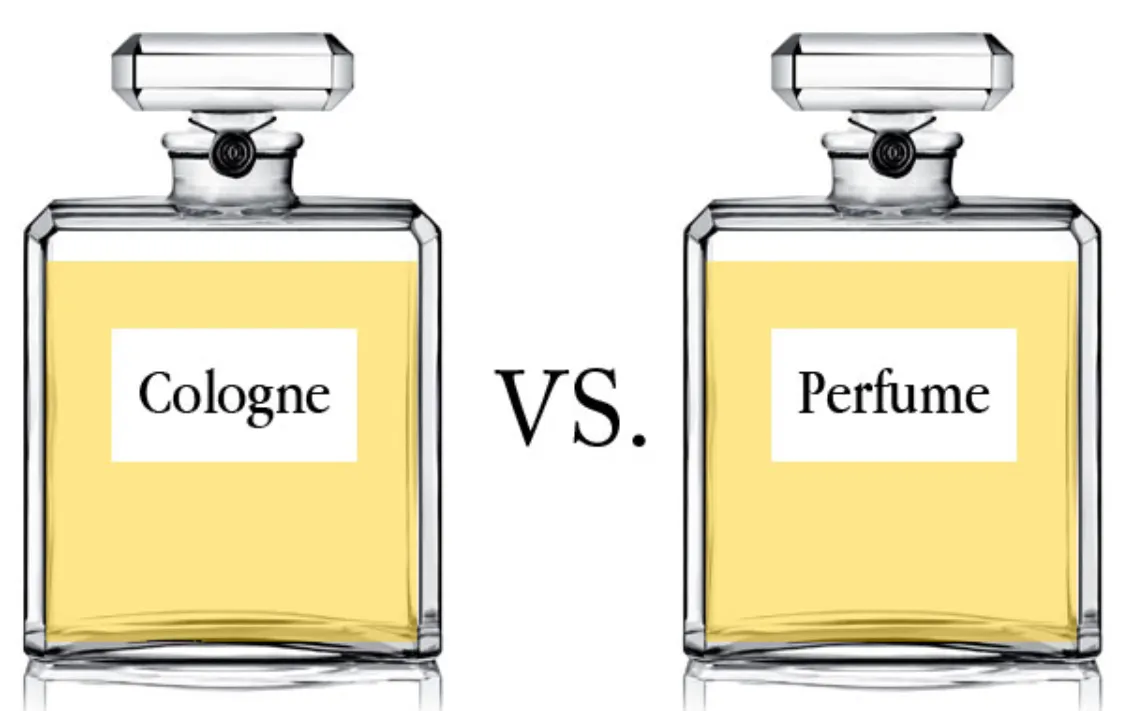
Cologne and perfume differences. The concentration of alcohol and essential oils is what distinguishes perfume from cologne. Perfumes are richer and stay longer because of their increased oil concentration (15%–30%). Colognes have a lighter, more subtle aroma that fades more quickly because they include more alcohol and less oil (2%–5%).
COLOGNE AND PERFUME DIFFERENCES
The world of fragrances can be complex, with terms like cologne and perfume often used interchangeably. However, they represent distinct categories within the spectrum of scents, each with unique characteristics. Here are four primary differences between cologne and perfume:
1. Concentration of Fragrance Oils;

The most significant difference between cologne and perfume lies in the concentration of fragrance oils they contain. Perfume, also known as parfum, has the highest concentration of fragrance oils, typically ranging from 20% to 30%. This high concentration ensures that perfume is long-lasting, often remaining noticeable on the skin for up to 24 hours or more.
Cologne, on the other hand, has a much lower concentration of fragrance oils, usually between 2% and 4%. This lower concentration means that cologne is lighter and generally evaporates faster, with its scent lasting around 2 to 4 hours. The diluted nature of cologne makes it a popular choice for daytime wear or warmer climates where a lighter fragrance is preferable.
2. Intensity and Longevity;

Due to its higher concentration of fragrance oils, perfume tends to be more intense and potent compared to cologne. The depth and complexity of perfume allow it to unfold in layers, revealing different notes over time. This makes perfume an excellent choice for evening events or occasions where a lasting impression is desired.
Cologne’s lower intensity makes it a more subtle option, often appreciated for its refreshing and invigorating qualities. It’s ideal for daily use, providing a pleasant scent without overwhelming the senses. The lighter nature of cologne also means it requires more frequent reapplication to maintain its presence throughout the day.
3. Composition and Scent Profiles;

Cologne and perfume differences
The composition of perfume and cologne also varies significantly, influencing their overall scent profiles. Perfume is typically composed of a rich blend of top, middle, and base notes. These layers create a multi-dimensional fragrance that evolves over time, with the top notes providing an initial burst of scent, the middle notes forming the heart of the fragrance, and the base notes offering a lasting foundation.
Cologne usually focuses more on the top notes, providing an immediate but fleeting burst of fragrance. The simpler composition of cologne often results in a fresher, more straightforward scent profile. Common notes in cologne
include citrus, herbs, and light florals, which contribute to its refreshing and crisp character.
4. Target Audience and Marketing;
Cologne and perfume differences
Historically, the terms cologne and perfume have also been associated with different target audiences and marketing strategies. Perfume, with its high concentration and complex scent profile, is often marketed towards women, though unisex and men’s perfumes are also prevalent. The luxurious and long-lasting nature of perfume positions it as a premium product, often reflected in its higher price point.
Summary
Wearing perfume and cologne is more than simply a luxury or grooming step; it’s a potent tool that improves your sense of self, increases self-worth, and creates linkages with memories. Without using words, scents have a significant impact on attraction, mood, and social perception. When the question is “Cologne relevance,” it can relate to either the historical significance and contemporary relevance of the scent “Cologne” (Eau de Cologne) or the long-lasting influence of the German city of Cologne.


Deodorant application tips. The best results have been found when applied twice a day, especially before bed. Make sure to apply before bed if it will only be done once. It could be helpful to gently massage the antiperspirant into the skin. Use antiperspirant only on thoroughly dry skin to prevent irritation.
DEODORANT APPLICATION TIPS
To help us smell lovely and fresh all day, I believe the majority of us enjoy using a small amount of deodorant. Yes. The considerably more challenging choice of deodorant kind still needs to be made after that. How many of them are there? Alright, so three in essence. However, each of them has a trick, so choose wisely. Once you’ve decided whether you prefer stick, roll-on, or spray deodorant, check out our application tips below.
1. Shake it;

Using a compressed original antiperspirant aerosol, such as ours? Before you spray it, give it a nice, firm shake to make sure all the components are combined.
2. The right distance
There is a golden distance for spritzing aerosols for optimal application: if you don’t have a ruler, that’s roughly midway between your elbow and your armpit. Hold the can at this distance.
3. A short, sharp spray

Deodorant application tips
By measuring the length of your sprays with an aerosol, you can apply the appropriate amount of deodorant. Our recommendation? There’s no need to wait to apply the product until you’re completely concealed by a cloud; two seconds per underarm, or a quick, pinpoint spray, will suffice.
4. Roll with it;

Deodorant application tips
The name of the product says it all when it comes to roll-on deodorant: just roll your deodorant, such as our Original Antiperspirant Roll-on, over each underarm a few times to provide good, even coverage.
5. Sweep on your stick;
Our Original Antiperspirant Stick is a classic if you choose to use sticks as your weapons. Sweep two to three strokes over each underarm after twisting the stick’s base to release the substance.
6. Avoid white marks;

Give yourself as much time as possible between putting on your deodorant and getting dressed; it’s not fun to discover white deodorant stains on your tiny black dress when it’s too late to change.
Summary
Applying deodorant only to clean, fully dry skin will maximize your freshness. Use two to three swipes (or a two-second spray) for optimal effects, let it dry for a few minutes before dressing, and avoid using it right away after shaving to minimize irritation.

Natural deodorant application tips. Maybe you choose to wear a swipe after swimming or when you change into a new clothes during the day. Additionally, you might want to reapply because sweating more during the warmer summer months might lead to an increase in odor. The number of times you reapply deodorant during the day ultimately depends on a number of factors, including your body, schedule, degree of activity, and personal preferences for odor management.
NATURAL DEODORANT APPLICATION TIPS
The best time to use natural deodorant may depend on your demands and activity level. Although most individuals use deodorant while getting ready for the day, there are other occasions when you might want to incorporate deodorant use into your daily routine. Here are a few instances.
1. Before exercise

If odor bothers you when you’re working up a sweat, whether at home or in the gym, you might wish to use deodorant before you start working out.
2. After showering
Whenever I take a shower, I always prefer to use a natural deodorant following. Applying is ideal after your skin has dried and cleaned.
3. Before an evening out:
After a hard day, if you’re going out for the evening, you might use deodorant to assist reset and freshen yourself.
4. Getting ready for work:
Your workplace is among the last places you want to deal with odor problems. When getting ready for work, whether you work an evening or a nine to five shift, wearing deodorant may be a part of your routine.
When to Reapply Deodorant;
Although the majority of deodorants offer protection for 24 hours, there are no set recommendations for how often to use them. Certain circumstances could need reapplying deodorant multiple times during the day. As a mother, I frequently attempt to work out while my children are in school, but I sometimes run out of time to shower before having to pick them up. I usually reapply deodorant before I go in line when that’s the case.
Summary
Compared to traditional antiperspirants, using natural deodorant calls for a different strategy. Always begin with your underarms fully dry and clean, then use just two or three light swipes to let the lotion melt into your skin. Applying thick butter or oil-based formulations excessively will only cause clumps and stains on your clothes.

Reasons to use deodorants. You can even get natural deodorants without baking soda if you have extremely sensitive skin. Using natural deodorants is another approach to avoid synthetic scents and other environmentally harmful chemicals. Natural deodorant has no harmful impacts on your health, the environment, or others around you, making it the best method to stay smelling fresh and feeling wonderful all day.
REASONS TO USE DEODORANTS
Deodorant is primarily used to neutralize and get rid of bad body odor. Sweat is odorless in and of itself, but when the natural bacteria on your skin start to break down the proteins and fatty acids it contains, it creates an odor.
Since puberty, deodorant application has typically been considered an additional morning ritual for most people. Have you ever given it any thought as to why you use deodorant or how it functions? This essential component of personal hygiene merits careful consideration. You may choose the type of deodorant you use in your daily routine more wisely if you understand why you should use it constantly. Use this guide to find out more about this product and why we all need it.
WHY YOU SHOULD ALWAYS USE DEODORANT
Sweat is your body’s way of cooling off when it gets hot. Sweat is a normal bodily activity that enables us to enjoy warmer weather and brighter days without being overheated. Unfortunately, perspiration has a terrible odor—anyone who has worked hard in the sun for a day will attest to this. It’s crucial to understand that perspiration has no scent in and of itself. Rather, sweat combines with the naturally occurring bacteria on your skin to produce body odor.

This is the role of deodorant. These germs are eliminated by deodorants’ antibacterial qualities before they can combine with perspiration to produce an odor. Fragrances are also used by some deodorants to help cover up odors. As an alternative, some people decide to take antiperspirants, which work by obstructing your sweat glands and lowering the volume of perspiration that first escapes your body.
WHY NATURAL DEODORANT IS THE BEST;

Reasons to use deodorants
There are a few products you can include in your morning regimen, but natural deodorants are the finest choice by far. Antiperspirants may lessen perspiration, but they shouldn’t block your pores or interfere with your body’s natural ability to regulate body temperature. Furthermore, skin irritation and other unpleasant side effects might be caused by the chemicals found in traditional deodorants and antiperspirants. When it comes to your skin, natural deodorants are kinder yet still effective.
Summary
Body odor is masked with deodorants, which typically contain scents. Sweat is stopped or dried up using antiperspirants. They accomplish this by momentarily obstructing the sweat-producing pores.

The Causes of Political Apathy

Child Neglect and Causes

Environment Care Tips

A Step-by-Step Guide to Deleting Reels on Instagram

A Comprehensive Guide to Setting Up a YouTube Premiere

How to Create a WhatsApp Group
-

 Business3 weeks ago
How to Promote your Business
-

 Fashion3 weeks ago
Fashion Guide for Beginners
-

 Business2 weeks ago
Business Name Selection Tips
-

 Business3 weeks ago
Tips for Running Online Business
-

 TECHNOLOGY3 weeks ago
Artificial Intelligence and the Future
-

 Business1 week ago
Customers Satisfaction