
art
Mixology as an Art


Mixology as an Art. It takes both art and science to create delicious cocktails. One must be well-versed in the various ingredients, techniques, and bar equipment in order to mix a variety of beverages. Contrary to what some people may believe, this ability involves considerably more than simply pouring liquids from one glass to another.
MIXOLOGY AS AN ART
Mixology, the in-depth study and art of making, creating, and serving mixed drinks and cocktails, has significant benefits for one’s career, creativity, and personal life. Making cocktails has several benefits, whether you wish to work in the hospitality industry or just have a fulfilling hobby.
History of Mixology;
Throughout the ages, bartenders have created inventive beverages using a variety of approaches, as documented in the history of mixology. Many bars, restaurants, and beverage businesses have adopted mixology, which is still the main component of cocktail culture. They have elevated traditional cocktails like the Manhattan and Margarita to more contemporary ones like the Moscow Mule and Piña Colada
Types;
The traditional mixology

This kind of mixology focuses on traditional drinks that have been consumed for generations. Spirits, liqueurs, and bitters are usually used to make these beverages. The Margarita, Old Fashioned, and Daiquiri are a few examples.
Present-Day Mixology
The main focus of this kind of mixology is experimenting and making new drinks. This style of mixologist frequently creates daring and inventive beverages using unusual ingredients and methods.
Mixology of Baristas

Mixology as an Art
Making drinks with coffee is the main focus of barista mixology. Due to the growing interest in coffee-based beverages, this kind of mixology is becoming more and more well-liked.
The Mixology of Tiki
However, The mixology style known as “tiki mixology” dates back to the 1930s and 1940s. It focuses on making drinks with ingredients and flavors from the tropics.
Tips;
For novice mixologists, the best advice is to experiment and practice.
1. Meanwhile, Start making your own mixes or practice with traditional cocktails. Learning the fundamentals of technique, balance, and flavor combinations should take some time. Drinks should always be sampled as you go along to allow for taste, sweetness, and strength adjustments. Lastly, have no fear of using your imagination!

Mixology as an Art
2. Also, Regardless of your level of expertise in cocktails or your need for mixology instruction, online courses are an excellent means of acquiring useful skills and information. Everything you need to know about creating delectable cocktails may be learned in mixology lessons. You will get knowledge of the many mixology kinds, the necessary ingredients and equipment, and how to make a wide range.
Summary
The sophisticated art and meticulous science of making mixed drinks and cocktails is known as mixology. It turns basic spirits into sensory masterpieces by treating the glass as a canvas and combining in-depth understanding of flavor characteristics, chemistry, and visual presentation.


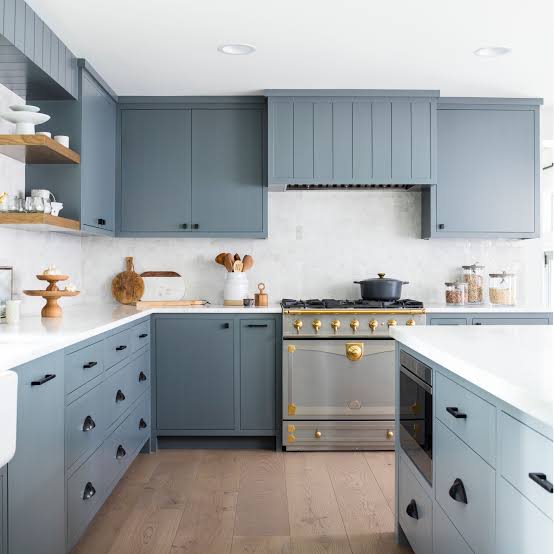
Kitchen Cabinets and Aesthetic Designs. aesthetics of kitchen cabinetry. Even though you may not always notice it, the cabinets are among the first things you see when you walk into a kitchen. Both the appliances and the worktops are stunning.but when you employ amazing ideas for kitchen cabinets. As a result, when choosing your kitchen cabinet designs, you must carefully consider the style.
KITCHEN CABINETS AND AESTHETIC DESIGNS
Your kitchen’s appearance and storage are determined by its cabinets. Select a style such as Slab (smooth, flat) or Shaker (square, flat center). Warm neutrals (cream, mushroom) and two-tone color schemes (dark blue base with white uppers, for example) provide depth. Floor-to-ceiling cabinets optimize space, and handleless doors produce streamlined lines. However, there are a lot of options to choose from, so it can be challenging to make a decision.
Kitchen Cabinet Meanings;

A kitchen’s functioning and design are inextricably linked to its kitchen cabinets.
1.They offer food, cookware, and dish storage
ii. A counter where food is prepared
2.The overall aesthetic appeal of the kitchen
Ideas;
1.Select an earthy color scheme To accentuate the classic, gloomy look of a house
2.a lot of exquisite woodwork, pick a cabinet color.
1.Separate the upper and lower cabinets to accentuate the many colors overall palette, select two distinct shades. They decided to apply the house’s distinctive green paint color which coincidentally matched the barstools to the lower cabinets.

Kitchen Cabinets and Aesthetic Designs
2.Provide cabinets with vents put your appliances in the kitchen and conceal them with vented cupboards if your house doesn’t have a dedicated laundry room.
3.Take a dim look at it: Use fluted glass on the exterior of your glass cabinets to give them more dimension. This kitchen cabinet idea’s textured glass reflects light differently than ordinary glass, giving everything inside a foggy appearance.
4.It must be very little. To adopt a minimalist kitchen, use cabinets with light colors and basic features. Putting less emphasis on what’s inside and more on the view outside the kitchen windows.

Kitchen Cabinets and Aesthetic Designs
5.Pick a negative source. When selecting a material for your cabinets, consider the surroundings of your house. color palette.
Summary
In many kitchens, built-in cabinets are used to store food, cooking utensils, and frequently silverware and plates for table service. Kitchen cabinets frequently incorporate appliances like ovens, dishwashers, and refrigerators. There are currently a lot of possibilities for cabinets.
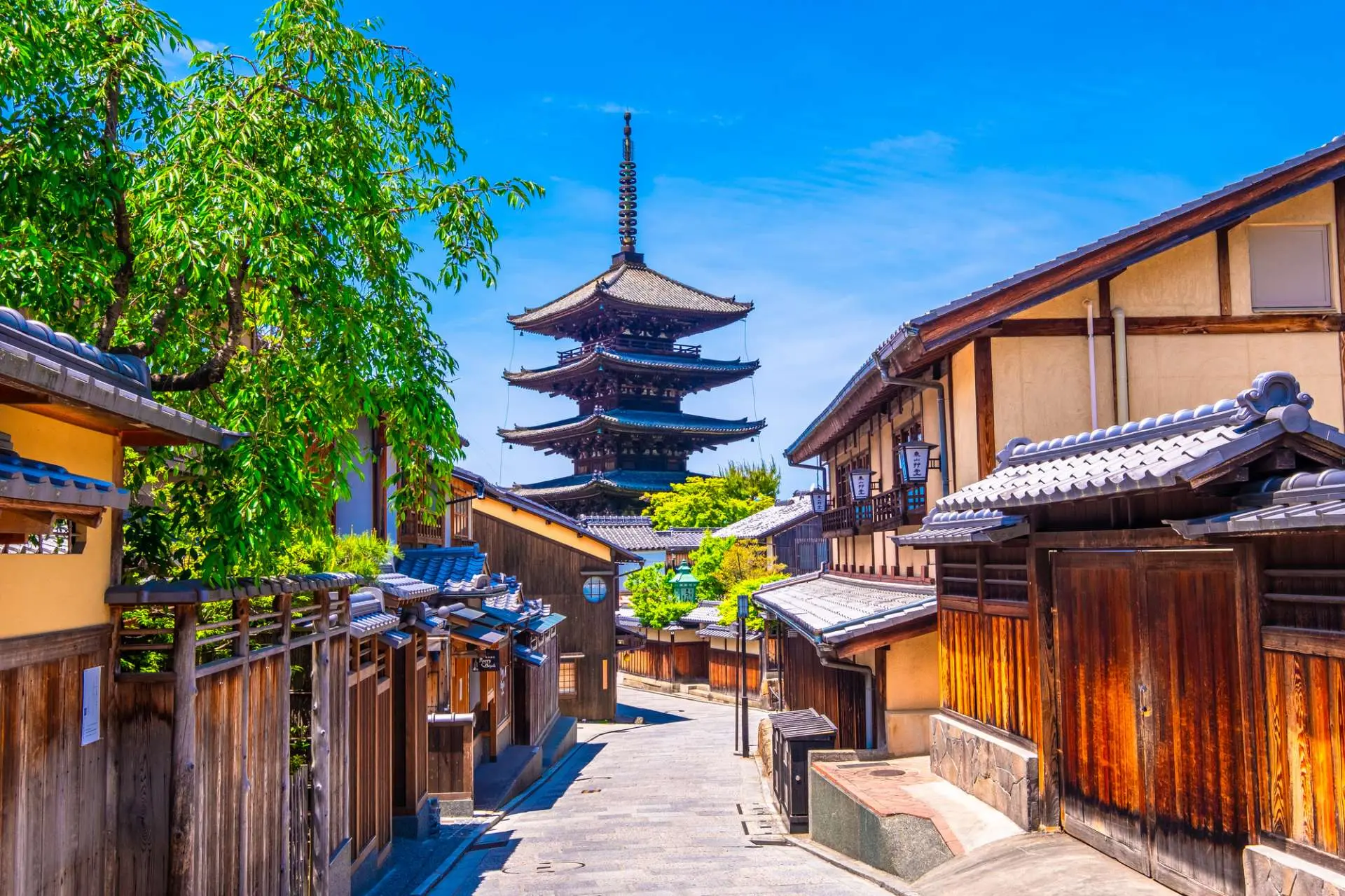
Koyoto viewing spots. Kyoto provides a sensory extravaganza in the spring with its numerous cherry blossom viewing locations. Whether you’re picnicking in parks, touring temple gardens, or walking along historic routes. The breathtaking splendor of Kyoto’s cherry blossoms is likely to wow visitors and leave them with lifelong memories.
KOYOTO VIEWING SPOTS
Japan’s historic city, Kyoto, is well known for its breathtaking cherry blossoms, rich history, and traditional culture. Visitors from all over the world come to see this fleeting beauty as the city comes to life in the springtime with the delicate hues of cherry blossoms, known in Japanese as “sakura.” The top ten locations in Kyoto to see cherry blossoms are as follows:
1. Maruyama Park;
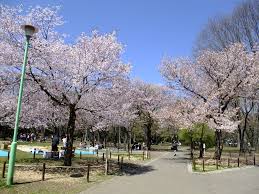
Located in the heart of Kyoto, Maruyama Park is one of the city’s most popular cherry blossom destinations. The park’s centerpiece is a magnificent weeping cherry tree, illuminated at night during the peak of the sakura season. Visitors can enjoy hanami (cherry blossom viewing) picnics under the canopy of blossoms.
2. Kiyomizu-dera Temple;
Perched on a hillside overlooking the city, Kiyomizu-dera. It offers breathtaking views of Kyoto and a picturesque backdrop for cherry blossom viewing. The temple’s spacious grounds feature several varieties of cherry trees. Including somei yoshino and yamazakura, creating a stunning display of pink and white blossoms.
3. Philosopher’s Path;
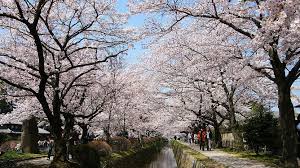
This tranquil walking path follows a canal lined with cherry trees, offering a serene setting for contemplation and cherry blossom viewing. The path winds through residential neighborhoods and is particularly scenic during the sakura season when the trees are in full bloom.
4. Arashiyama Bamboo Grove;
While known for its bamboo forest, Arashiyama also boasts beautiful cherry blossoms in the spring. Visitors can stroll along the paths lined with cherry trees and enjoy the harmonious combination of pink blossoms and verdant bamboo.
5. Heian Shrine;
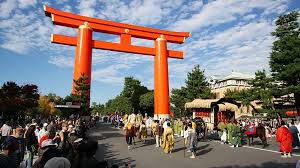
Built to commemorate the 1100th anniversary of Kyoto’s foundation, Heian Shrine is renowned for its expansive gardens and stunning cherry blossoms. The shrine’s main garden, located behind the main hall, features a large pond surrounded by cherry trees, creating a picturesque scene reflected in the water.
6. Hirano Shrine;
Hirano Shrine is famous for its vibrant cherry blossom festival, held annually in early April. The shrine’s grounds are adorned with over 400 cherry trees, including rare varieties such as weeping cherry and double-flowered cherry, making it a must-visit destination for sakura enthusiasts.
7. Nijo Castle;
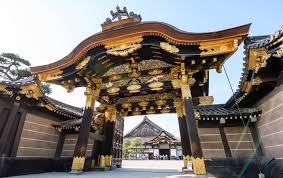
Koyoto viewing spots
A UNESCO World Heritage Site, Nijo Castle is a historic fortress surrounded by moats and stone walls. During the cherry blossom season, the castle’s expansive grounds are transformed into a sea of pink and white blossoms, creating a mesmerizing backdrop for exploration and photography.
8. Kyoto Imperial Palace Park;
The Kyoto Imperial Palace Park, located in the heart of the city, offers a peaceful oasis for cherry blossom viewing. Visitors can wander through the park’s landscaped gardens and enjoy views of the cherry trees in bloom against the backdrop of the imperial palace buildings.
9. Yasaka Shrine;
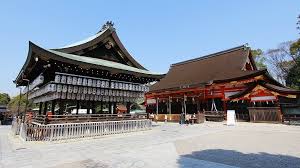
Koyoto viewing spots
Situated in the Gion district, Yasaka Shrine is one of Kyoto’s most iconic shrines and a popular cherry blossom spot. The shrine’s approach is lined with lanterns and cherry trees, creating a magical atmosphere during the sakura season, especially when illuminated at night.
10. Kyoto Botanical Garden;
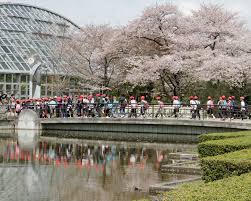
Koyoto viewing spots
For a more tranquil cherry blossom viewing experience, head to the Kyoto Botanical Garden. This expansive botanical garden features a diverse collection of cherry tree varieties. Allowing visitors to appreciate the subtle differences in blossom color, shape, and fragrance.
Summary
The famous Kiyomizu-dera balcony for city views, the Arashiyama Bamboo Grove, and the Golden Pavilion (Kinkaku-ji) reflecting on its pond are some of the best places to see Kyoto. The picturesque Amanohashidate sandbar, the old neighborhoods of Higashiyama, and the torii gate pathways of Fushimi Inari offer top-notch, classic vistas.


Benefits of teaching arts education. Through the integration of artistic disciplines to improve learning across the curriculum and create well-rounded individuals, arts education teaches subjects like music, drama, dance, and visual arts (drawing, painting, sculpture) to foster creativity, critical thinking, cultural awareness, and problem-solving abilities. It goes beyond technical proficiency to promote social and emotional development, providing all-encompassing experiences that increase motivation and equip students for challenging global issues by encouraging creativity and community involvement.
BENEFITS OF TEACHING ARTS EDUCATION
By fostering creativity, critical thinking, and motor abilities as well as increasing academic performance, mental health, and social skills, teaching arts education promotes overall student development. By encouraging pupils to see errors as teaching opportunities, it fosters resilience, self-assurance, and a growth mentality. Additionally, arts education fosters empathy, cultural understanding, and useful, transferable skills like problem-solving and teamwork, all of which are essential for future professional success.
1. Further improvement and creativity;

In addition to building creativity and invention abilities that are useful in a variety of academic subjects and future occupations, art education gives pupils the chance to express their thoughts and feelings in original and inventive ways.
2. Positive effects on brain development;

This have been demonstrated by research on the subject of art education. Students’ brains develop holistically when they participate in art-related activities because they activate several brain regions, including the motor and visual areas.
3. Knowledge of Cultural Diversity;

teaching arts education
Art is a useful instrument for learning about and appreciating various cultures. Students gain knowledge of the artistic mediums, fashions, and customs of many countries through art education, which promotes cross-cultural understanding.
4. Delivering critical thinking;

teaching arts education
Critical thinking and visual information analysis are fostered in art education. Through art, kids are able to develop critical thinking abilities that are beneficial in many facets of life, such as asking questions and making judgments.
5. Emotional Intelligence;
Students may express and control their emotions in a positive and healthy way through art education. Students can explore their ideas and grow in self-awareness, and find authentic ways to express themselves via art.
6. Advances mental health;

teaching arts education
Students who may be dealing with stress, anxiety, or other mental health issues can find solace in art lessons offered at schools. Students can express themselves safely and constructively by channeling their emotions via art instruction. As a result, they may experience improved mental health outcomes and be able to better control their emotions. They may also feel more accomplished and valuable. improvements for overall motivation, thinking, and academic achievement.
Summary
Art education is still frequently seen as an elective or extracurricular activity, despite evidence showing that it has many positive effects on mental health, brain development, cultural awareness, general learning, and more. Let’s examine ten reasons why art education is essential to students’ entire development.

The Causes of Political Apathy

Child Neglect and Causes

Environment Care Tips

A Step-by-Step Guide to Deleting Reels on Instagram

A Comprehensive Guide to Setting Up a YouTube Premiere

How to Create a WhatsApp Group
-

 Business3 weeks ago
How to Promote your Business
-

 Fashion3 weeks ago
Fashion Guide for Beginners
-

 Business3 weeks ago
Tips for Running Online Business
-

 Business2 weeks ago
Business Name Selection Tips
-

 TECHNOLOGY3 weeks ago
Artificial Intelligence and the Future
-

 Business1 week ago
Customers Satisfaction