
TECHNOLOGY
A Guide to AR/VR Development

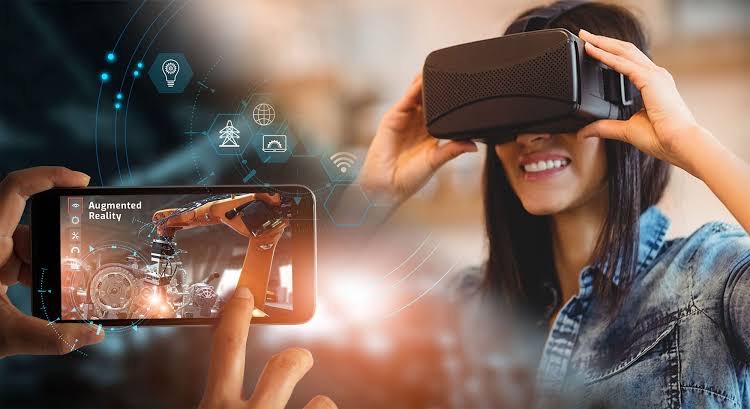
Augmented Reality (AR) and Virtual Reality (VR) are no longer confined to the realms of gaming. These technologies are transforming industries like education, healthcare, retail, and even real estate. With their immersive and interactive capabilities, AR and VR are shaping the future of how we work, learn, and play.
What is AR/VR Development?
– Augmented Reality (AR): Enhances the real-world environment by overlaying digital information, like images, sounds, and animations. Think Pokémon GO or IKEA’s Place app.
– Virtual Reality (VR): Creates fully immersive digital environments, allowing users to interact with a computer-generated world. VR headsets like Oculus Quest or HTC Vive offer these experiences.
AR/VR development involves creating applications, games, and experiences that leverage these technologies using specialized software and hardware.
Why AR/VR Development is Important
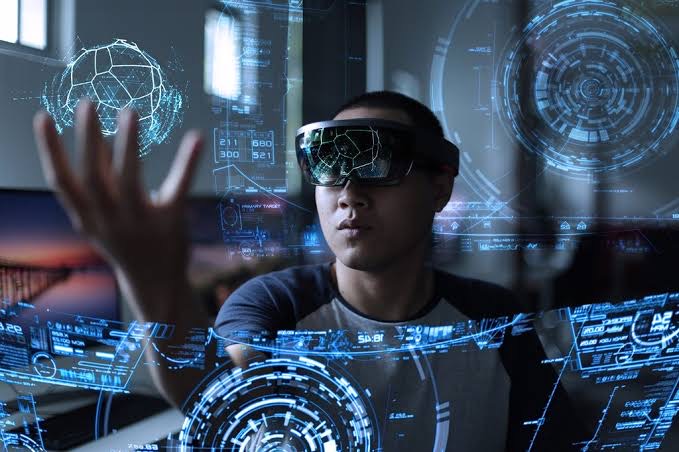
1. Demand Across Industries
– AR/VR is being used in healthcare for surgical simulations, in education for virtual classrooms, and in retail for virtual try-ons.
– Industries are investing in immersive tech to engage customers and improve efficiency.
2. Endless Creativity
– Developers can build worlds and solutions limited only by their imagination, blending art, design, and programming.
3. High Growth Potential
– With AR/VR’s global market expected to exceed $100 billion by 2030, skilled developers will be in high demand.
Skills Needed for AR/VR Development
To break into AR/VR development, you’ll need to master:
1. Programming

– Learn languages like C#, C++, and Python, which are commonly used in AR/VR projects.
2. Game Engines
– Tools like Unity and Unreal Engine are essential for creating 3D environments and interactive experiences.
3. 3D Modeling
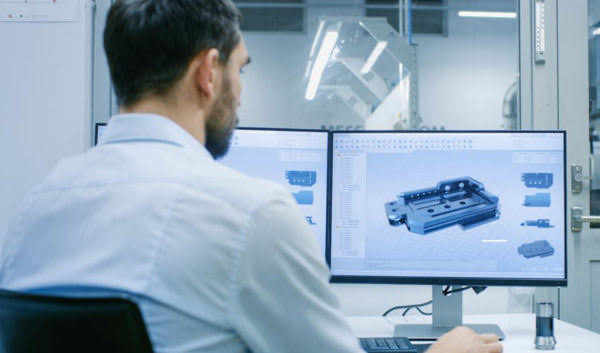
•Knowledge of tools like Blender or Maya to design characters, objects, and environments.
4. AR/VR Frameworks
•Understand AR/VR-specific SDKs like ARCore, ARKit, and Vuforia for building applications.
5. UX/UI Design
•Design intuitive and immersive user experiences tailored for AR/VR interactions.
Steps to Get Started with AR/VR Development
1. Learn the Basics
•Begin with tutorials on Unity or Unreal Engine. Many platforms offer free AR and VR development courses.
2. Experiment with Hardware
•Invest in AR/VR devices like Oculus Quest, Microsoft HoloLens, or smartphones for AR testing.
3. Build Simple Projects
•Start small, such as creating a VR room or an AR app for object placement.
4. Join Communities
•Engage in AR’s/VR developer forums, GitHub projects, or hackathons to collaborate and learn.
5. Keep Learning
•AR/VR tech evolves rapidly; stay updated on new SDKs, tools, and trends.
The Future of AR/VR Development
As AR and VR technologies become more accessible, their integration into everyday life will expand. From virtual shopping malls to AR-powered fitness apps, the possibilities are endless. Developers who specialize in this field will not only have lucrative opportunities but also the chance to shape the way people interact with technology.
Now is the perfect time to dive into AR/VRs development and be part of this exciting journey into the future. With passion and persistence, you can create immersive experiences that leave a lasting impact!

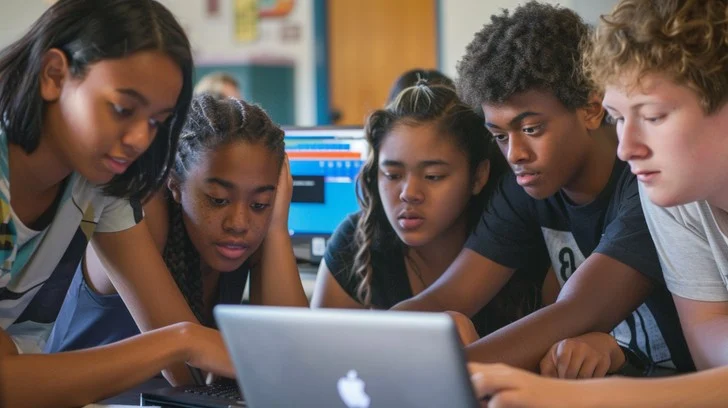
Students and laptops. Laptops, sometimes known as note books, are portable computers that are rather sturdy and weigh around two kilograms. In 1983, the term “laptop” was coined. Schools and universities today use computers in the age of technology to enable students to learn through multimedia learning modules that imaginatively use all of the senses to teach courses. Students can increase their technology literacy and obtain real-world experience by using computers for instruction. A knowledge highway is the World Wide Web. A laptop or notebook can aid in learning in a variety of ways. Because of their portability and the technological tools they offer, laptops are very popular.
STUDENTS AND LAPTOPS
The use of computers has fundamentally changed how students learn and engage with the outside world. Computers have drastically changed how students access, analyze, and engage with knowledge. With internet access, students may interact with individuals around the globe, quickly access and evaluate information, and even create their own digital material. Computers will most likely remain a crucial part of contemporary education in the future.
Advantages;

Not only are they growing in popularity for usage at home, but many schools are also beginning to use them in the classroom. There are many benefits for students who use laptops, such as easier group work and study, quicker writing and editing, and more thorough and effective note keeping. All pupils, regardless of age or grade level, can benefit from laptops.
1. The laptop is constantly with you, along with your notes and references, and online libraries and other websites offer tools to assist students in formatting their assignments and references.

2. Students can type assignments, Digital Note-Taking share notes, collaborate on projects in groups, and take notes in class using a laptop.
3. Without paying exorbitant phone fees, students can converse and interact with friends and family over the internet.
4. Students can download music from the internet and see movies and video clips on laptops.
More Advantages;

STUDENTS AND LAPTOPS
5. In order to make some extra cash, students can use laptops to design and develop software. Freelance writing is an option for people who are skilled in research or writing.
6. Students can download entire books from internet libraries and other websites. In addition to saving time and money, students can read texts from the 18th century to the present.
7. Laptops help kids become self-sufficient, teach them to type, help them manage their schedules, teach them how to budget using online planners, and help them become global citizens.

STUDENTS AND LAPTOPS
8. Students who have a laptop with an internet connection are more likely to learn and stay up to date on current events. The world is covered by online news sources, not simply a state or nation.
9. Students are encouraged by laptops to be IT experts. They stay up to date on the latest developments in the world.

STUDENTS AND LAPTOPS
10. Also, Convenience This portability is one of the biggest benefits of laptops. In contrast to desktop computers, which need a certain location and are immovable, laptops let you work, play, or access entertainment from almost anyplace.
Summary
Student laptops, which are necessary for modern schooling, must balance strong performance (16GB RAM is advised), long battery life, and mobility for everyday usage. The Apple MacBook Air M4, Microsoft Surface Laptop, and Lenovo IdeaPad 1 are among the top budget options for 2025–2026 that support study, note-taking, and teamwork. By enabling a “flipped classroom” style, these gadgets improve flexibility and student involvement.

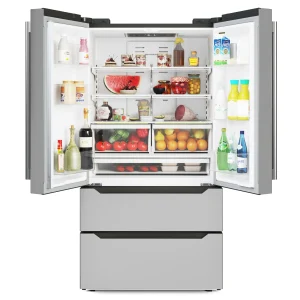
Relevance of refrigerators. The home benefits from having a refrigerator. The refrigerator has been one of the most widely used home appliances over the years. You hardly ever discover a house without it. There are many different types of refrigerators available nowadays. Refrigerators are a necessary appliance in modern kitchens because they preserve food and offer convenience. Whether you want to keep your purchases fresh or store leftovers, a refrigerator is necessary to maintain the quality of food. However, refrigerators have their own set of benefits and drawbacks, just like any other device
RELEVANCE OF REFRIGERATORS
Also, Keeping food cold is the primary purpose of a refrigerator. Food keeps better in colder climates. All food contains germs, and the basic principle behind refrigeration is to slow down their activity so that it takes longer for the bacteria to ruin the food. This page explores the advantages, possible disadvantages, and crucial advice for maintaining your refrigerator’s cleanliness and ideal performance for many years to come.
1. Food preservation;

Meanwhile, This is among the most prominent advantages that freezers of all types provide. They help ensure that your food and other delicacies are safe so that you can utilize them later. They keep the food from becoming bad and being wasted.
2. Offer cooling;
Also, which is essential for maintaining the safety and freshness of your food. In the summer, refrigerators also keep your water and other beverages cold so you can get the most out of them.
3. Economical;

Relevance of refrigerators
Meanwhile, One example of a very affordable home appliance is a refrigerator. A refrigerator is something you may purchase without giving it any thought. This purchase is one that you won’t regret at all. Purchasing a refrigerator is well worth the money.
4. Diversity;
Although, There is a huge selection available, with variations in capacity, forms, sizes, look, design, and pricing. Customers can purchase refrigerators with no limitations because they offer a plethora of possibilities.
5. Adjustable;

Relevance of refrigerators
However, This is the refrigerator’s most fascinating feature. You heard it correctly, yes. You can customize refrigerators. You can have it tailored to your needs and other preferences. It is even possible to have it painted in the colors of your choosing.
6. Convenience;

Relevance of refrigerators
Also, When it comes to meal planning and food preparation, a refrigerator is convenient. Busy households can save time by cooking less frequently thanks to the capacity to preserve leftovers and prepared meals.
7. Energy Efficiency;
However, Newer refrigerators use less electricity because of their energy-efficient design. Reducing the environmental effect and utility expenditures are two benefits of energy-efficient refrigerators.
8. Benefits to Health;
Relevance of refrigerators
Meanwhile, It’s essential to keep food fresh and clear of microorganisms for good health. Refrigerators keep food at a safe temperature, reducing the chance of foodborne infections.
Summary
However, refrigerators are an essential part of any home because they provide convenience, efficiency, and food preservation safety. By knowing the advantages and disadvantages of different types and keeping your food fresh and safe for many years to come, you can maintain its quality.

Solar energy usage and benefits. Solar energy is a plentiful, sustainable, and renewable power source that drastically lowers carbon emissions, electricity costs, and dependency on fossil fuels. With a 20–25 year lifespan and little maintenance, photovoltaic panels or solar thermal collectors provide renewable energy for commercial, industrial, and residential uses.
SOLAR ENERGY USAGE AND BENEFITS
The sun is an amazing renewable resource that can sustain life on Earth and provide clean, sustainable energy to all people. The truth is that the world’s population utilizes more solar energy in a year than our planet receives in an hour. It is possible to convert solar energy into electrical power using solar photovoltaics.
Because of the continuous advancements in solar technology, we can utilize solar energy more abundantly. A study claims that the use of solar energy has grown significantly and is outpacing all other fuels in terms of growth. Some advantages of solar energy use are listed below.
1. Clean and green energy;

The production of electricity and other energy sources involves some pollution, which harms the ecosystem. The source of solar energy, however, does not provide this challenge.
2. Unradiant on external energy sources;
However, It is encouraging for the ecosystem and the environment that the strain on other energy sources has decreased with the advent of solar energy and its growing use.
3. Easy to maintain;

Meanwhile, Solar power systems don’t need much upkeep. It just requires twice-yearly cleaning, but it should be remembered that professionals who are knowledgeable about this task should always perform the cleaning.
4. Less dangerous;
alternative solar energy is safer for usage as well as upkeep and repairs.
5. Sustainable Energy;

SOLAR ENERGY USAGE AND BENEFITS
One type of renewable energy is solar energy. It is constantly accessible and can be utilized anywhere in the world. One endless energy source is solar power.
6. Reduction of Electricity Bills;
However, The high expense of your electricity bill will be alleviated since you will be able to cover all of your energy needs with electricity produced by solar energy. Based on your needs, you can save a certain amount on your payment.
7. Highest Usage;

SOLAR ENERGY USAGE AND BENEFITS
Meanwhile, Numerous uses exist for solar energy. Solar energy can be used by anything to produce heat or power. capable of supplying clean water, delivering electricity to places without it, powering space satellites, factories, and domestic tasks.
8. The Development of Technology;
Also, Due to the growing use of solar energy, industrial growth has grown and is predicted to continue growing quickly.
9. climatic;

SOLAR ENERGY USAGE AND BENEFITS
Also, in any climate, electricity may be produced from solar energy. Electricity may be produced by solar energy systems in every climate. Solar energy’s vulnerability to brief weather disruptions is one of its drawbacks. You generate less electricity on overcast days. However, cold has little effect on productivity. Rainfall actually benefits your solar system since it cleans the panels as it melts and improves the quantity of light that reaches your panels through the reflection of the sun. Consequently, more electricity is produced.
Summary
However, solar energy and other renewable energy sources have a number of advantages in common. The ability to protect the planet from climate change is the most important of these; by using solar energy, we can use fewer fossil fuels and produce fewer greenhouse gas emissions, increasing our energy self-sufficiency.

Capable God Lyrics

Glorious God Lyrics

Ancient of Days Lyrics

A Step-by-Step Guide to Deleting Reels on Instagram

How to Create a WhatsApp Group











Pingback: Best Skills to Learn in 2025 - SimplExplainer
Pingback: Technical writing