
Uncategorized
Activated Charcoal on the Skin


Activated charcoal has gained immense popularity in the skincare industry over recent years. Known for its purifying properties, this unique ingredient is celebrated for its ability to deeply cleanse and detoxify the skin. This article explores the effects of activated charcoal on the skin, its benefits, and how to incorporate it into a skincare routine for optimal results.
What is Activated Charcoal?
Activated charcoal is a form of carbon that has been processed to have small, low-volume pores, increasing its surface area and making it highly absorbent. This characteristic enables it to bind to impurities, toxins, and chemicals, drawing them out from the skin and other surfaces. Activated charcoal is commonly derived from sources like coconut shells, wood, or peat, which are subjected to high temperatures and activating agents to enhance their absorptive capabilities.
Benefits of Activated Charcoal for the Skin
Deep Cleansing
One of the primary benefits of activated charcoal is its ability to deeply cleanse the skin. Its porous structure acts like a magnet, attracting dirt, oil, and impurities from the skin’s surface and pores. This makes it particularly effective for individuals with oily or acne-prone skin, as it helps to unclog pores and prevent breakouts.
Detoxification
Activated charcoal’s detoxifying properties extend beyond simple cleansing. It can remove toxins and pollutants that accumulate on the skin due to environmental exposure. This detoxification process leaves the skin feeling refreshed and revitalized, making it a popular ingredient in face masks and cleansers.
Oil Control
For those with oily skin, activated charcoal can be a game-changer. It absorbs excess oil without stripping the skin of its natural moisture, balancing the skin’s oil production. This helps to reduce shine and the likelihood of clogged pores, contributing to a clearer complexion.
Exfoliation
In addition to its cleansing abilities, activated charcoal can act as a gentle exfoliant. When used in scrubs, its fine particles help to remove dead skin cells, promoting cell turnover and leaving the skin smoother and more radiant.
Soothing Irritation
Activated charcoal also has mild anti-inflammatory properties that can help soothe and calm irritated skin. This makes it beneficial for those with sensitive skin or conditions like eczema and psoriasis, as it can reduce redness and discomfort.
How to Use Activated Charcoal in Skincare
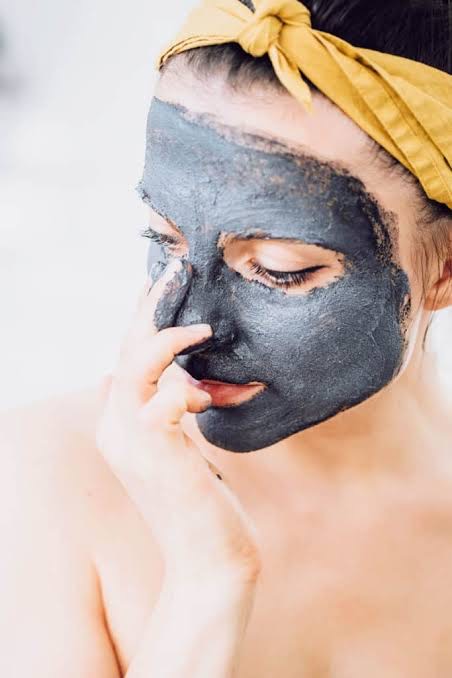
Activated charcoal can be incorporated into your skincare routine in various forms. Here are some common products and how to use them:
Cleansers
Charcoal-based cleansers are excellent for daily use, especially for those with oily or combination skin. Use them as you would any other cleanser, massaging into damp skin and rinsing thoroughly. This helps to remove impurities and maintain a clean, fresh complexion.
Masks
Charcoal masks are typically used once or twice a week for a deep cleanse. Apply the mask evenly to clean, dry skin, avoiding the eye area. Leave it on for the recommended time (usually around 10-15 minutes), then rinse off with warm water. This treatment helps to draw out deep-seated impurities and leave the skin feeling detoxified.
Scrubs
Charcoal scrubs provide both cleansing and exfoliation. Use them 1-2 times a week, depending on your skin type. Gently massage the scrub into the skin in circular motions, focusing on areas prone to blackheads and congestion, then rinse thoroughly.
Spot Treatments
For targeted treatment of blemishes, charcoal-based spot treatments can be highly effective. Apply a small amount to the affected area and leave it on overnight or as directed by the product instructions. The charcoal helps to absorb excess oil and reduce inflammation, speeding up the healing process.
Potential Drawbacks and Considerations
While activated charcoal offers numerous benefits, it is essential to use it appropriately to avoid potential drawbacks:
– Dryness: Overuse of activated charcoal can lead to dryness, especially for individuals with naturally dry or sensitive skin. It is crucial to follow up with a moisturizer to maintain hydration.
– Irritation: Although rare, some individuals may experience irritation or allergic reactions. Always perform a patch test before using a new charcoal-based product.
– Staining: Activated charcoal can be messy and may stain fabrics and surfaces. Use products carefully and rinse thoroughly to avoid residue.
Activated charcoal is a powerful ingredient that offers numerous benefits for the skin, including deep cleansing, detoxification, oil control, and gentle exfoliation. When used appropriately, it can significantly improve skin clarity and texture, making it a valuable addition to any skincare routine. However, it is essential to use charcoal-based products in moderation and follow up with proper hydration to maintain a balanced, healthy complexion. As with any skincare ingredient, understanding your skin’s unique needs and reactions is key to achieving the best results.














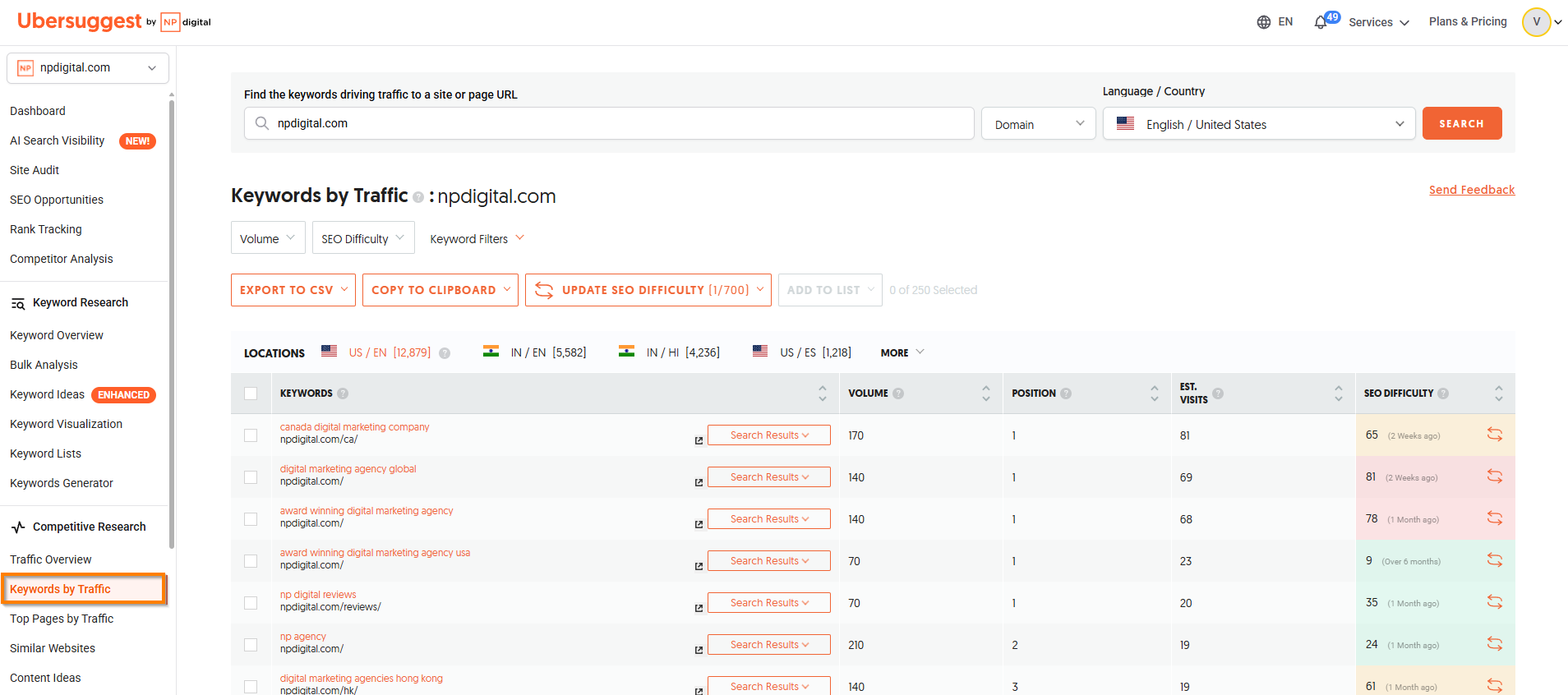
Ranking keywords and traffic site. When someone searches for a specific term, a webpage’s precise location on a Search Engine Results Page (SERP) or AI answer engine is referred to as keyword ranking. The main objective of SEO is to achieve high ranks (positions 1–10 on page one) in order to generate organic traffic.
RANKING KEYWORDS AND TRAFFIC SITE
Use sophisticated SEO and digital intelligence tools to find out which keywords your website ranks for and how much traffic they generate. Your precise ranking positions, search volumes, and anticipated visitor traffic are all revealed by these platforms’ analysis of search engine results.
Here are some effective methods to find high-ranking key phrases:
1. Keyword Research Tools;

Utilize keyword research tools such as Google Keyword Planner, SEMrush, Ahrefs, Moz Keyword Explorer, and Ubersuggest to identify relevant keyword with high search volumes and low competition. These tools provide insights into keyword trends, search volume, competition level, and related keywords, helping you discover valuable opportunities to target.
2. Analyze Competitors;
Conduct competitive analysis by identifying your competitors’ websites and analyzing their keyword strategies. Tools like SEMrush and Ahrefs allow you to view the keywords that your competitors are ranking for, providing valuable insights into the keywords driving traffic to their sites. Analyze their content and identify gaps or opportunities where you can create better, more targeted content.
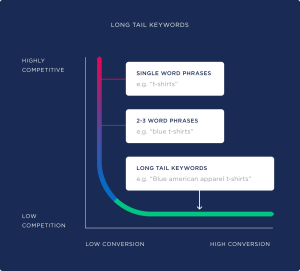
3. Long-Tail Keywords;
Ranking keywords and traffic site
Target long-tail keywords, which are longer and more specific keyword phrases that typically have lower competition and higher conversion rates. Long-tail keywords can help you attract highly targeted traffic and capture users who are closer to making a purchasing decision. Use keyword research tools to identify relevant long-tail keyword that align with your content and target audience.
4. Google Search Console;
Use Google Search Console to monitor your website’s performance in search results and identify keyword that are driving traffic to your site. Review the search queries report to see which keywords users are using to find your site. And optimize your content to capitalize on these keywords further.
5. Social Media and Forums;

Ranking keywords and traffic site
Monitor social media platforms, online forums, and Q&A websites in your industry to identify trending topics. Questions, and discussions relevant to your target audience. Pay attention to the language and keywords used by your audience. And incorporate them into your content strategy to attract more traffic from these channels.
6. Analyze Search Intent;
Consider the search intent behind specific keyword and tailor your content to meet users’ needs and expectations. Are users looking for information, products, or solutions to a problem? By understanding search intent, you can optimize your content to provide value and address users’ queries effectively, increasing your chances of ranking higher in search results.
Summary
It takes a combination of competitive analysis, target audience knowledge, and keyword research tools to obtain high-ranking keywords to boost site traffic.

Tips for creating Youtube channel. Google owns YouTube, an American website where users can share videos. On February 14, 2005, Chad Hurley, Jawed Karim, and Steve Chen—all former PayPal employees founded YouTube. With its headquarters located in San Bruno, California, it is the second most popular website worldwide, after Google.
TIPS FOR CREATING YOUTUBE CHANNEL
A watermark is a small image that shows up in the lower-right corner of every video. When people click or hover over the image, they will be prompted to subscribe to your YouTube channel. This image can be used as the logo for your channel or for any other branding reason you think would be appropriate for your content.
1. Create a Google Account;

Here’s where it all starts. It’s really easy to create a Google account if you haven’t already. All you have to do is fill in your nam
You next need to submit a few additional basic details about yourself.
2. Create a YouTube Channel in 4 Steps;
Setting up your YouTube channel won’t require much time. Simply adhere to the instructions below!
2. From the menu that appears, click your profile photo in the upper right corner and choose Create a Channel
3. Enter the name of your channel and upload a profile image.
4. In the lower right corner, select “Create Channel.”
Verify Your Phone Number with YouTube;
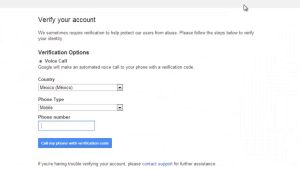
Verifying your phone number is the next step after creating your channel. You can now upload custom thumbnails, live stream, make films longer than fifteen minutes, and contest Content ID claims.
1. Click your profile image once more, then choose YouTube Studio from the menu to confirm your phone numbe
2. From the navigation bar on the left, select Settings
3. Click the Channel tab, then select Feature Eligibility
4. Select Verify Phone Number under Intermediate Features, then adhere to the on-screen instructions.
3. Find Your YouTube Niche;
The primary subject you’ll cover on your YouTube channel is your niche. The majority of viewers will watch your content for this reason as well, since certain viewers are drawn to particular subjects.
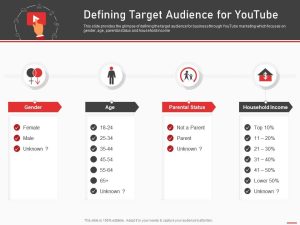
4. Identify Your Target Audience;
Tips for creating Youtube channel
Identifying your target audience for your videos becomes lot simpler once you’ve located your niche. You should take action on that as soon as possible.
5. Create a Value Proposition for Your Viewers;
You now know the subject matter of your channel and who your audience is. It’s time to promise everyone who views your material what you intend to do now.
6. Find Your Competitors on YouTube;
It’s critical for YouTube video creators to be aware of their rivals. It’s not like you have to fight with them constantly. Alternatively, attempt to outshine their films so that your channel receives more views than theirs.
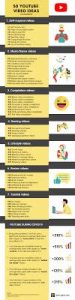
7. Create a List of Video Ideas;
Tips for creating Youtube channel
After compiling a list of potential videos, it’s time to see how popular each one is on YouTube. Researching potential keywords is one approach to achieve this. This is how you find out what terms people use to look for videos on YouTube.
8. Test Your Video Ideas with Keyword Research;
Having compiled a list of potential videos, it’s time to see how well-liked they are on YouTube. Researching keywords is one method you can accomplish this. This is the procedure for identifying the terms that users use to look for videos on YouTube.
Summary
A channel banner is an extended, horizontal image that appears at the top of your YouTube channel’s website. It will immediately communicate the subject of your videos if it is well-designed.

Bladder and kidney cancer treatment. Millions of people worldwide suffer from kidney and bladder cancers, which are among the most common types of urologic malignancies. Despite the fact that both malignancies start in the urinary system, there are particular difficulties with diagnosis, treatment, and prognosis. We will examine the complexities of kidney and bladder cancer in this thorough guide, providing information on risk factors, symptoms, diagnostic techniques, and potential treatments. People can increase their chances of survival and quality of life by being aware of certain illnesses and taking proactive measures for early detection and efficient treatment.
BLADDER AND KIDNEY CANCER TREATMENT
Cancers of the kidney and bladder provide serious difficulties for both patients and medical professionals. However, prompt action and early discovery can significantly enhance results. by being aware of the symptoms, risk factors, and available treatments for these illnesses. People can actively pursue early diagnosis, effective treatment, and prevention. The prognosis for patients with kidney and bladder cancer is improving due to continuous research and advances in medical technology, providing optimism for a better future in the battle against these cancers.
Risk Factors;

1. Smoking: Tobacco use is a significant risk factor for both kidney and bladder cancer. With smokers being at a higher risk compared to non-smokers.
2. Occupational Exposures: Certain occupations involving exposure to chemicals such as aromatic amines and polycyclic aromatic hydrocarbons (found in industries like dyeing, painting, and rubber manufacturing) increase the risk of bladder cancer.
3. Age: The risk of kidney and bladder cancer increases with age, with the majority of cases diagnosed in individuals over 50 years old.
4. Obesity:

Being overweight or obese is associated with an increased risk of kidney cancer.
5. Family History: A family history of kidney or bladder cancer can elevate an individual’s risk of developing these diseases.
6. Chronic Kidney Disease: Individuals with chronic kidney disease are at a higher risk of developing kidney cancer.
7. Gender: Men are more likely to develop kidney and bladder cancer compared to women.
Symptoms;

1. Blood in the Urine (Hematuria): One of the most common symptoms of both kidneys and bladder cancer is blood in the urine, which may be visible to the naked eye or detected through urine tests.
2. Persistent Pain: Persistent pain in the side or lower back can be a symptom of kidney cancer, while pain in the pelvic area may indicate bladder cancer.
3. Changes in Urinary Habits: This includes frequent urination, urgency, and difficulty urinating.
4. Fatigue and Weight Loss:

Unexplained fatigue and weight loss may occur in advanced stages of kidney or bladder cancer.
5. Swelling: Kidney cancer can sometimes cause swelling in the legs and ankles due to the buildup of fluid.
Treatment Options:
1. Surgery: Surgical removal of the tumor or the affected kidney (nephrectomy) or bladder (cystectomy) is often the primary treatment for localized kidney or bladder cancer.
2. Radiation Therapy: Radiation therapy may be used to target and destroy cancer cells. Either alone or in combination with surgery or chemotherapy.
3. Chemotherapy:
Chemotherapy drugs may be administered orally or intravenously to kill cancer cells or shrink tumors.
4. Immunotherapy: This treatment option uses drugs that stimulate the body’s immune system to recognize and attack cancer cells.
5. Targeted Therapy: Targeted therapy drugs specifically target cancer cells’ vulnerabilities, inhibiting their growth and spread.
Summary
Treatments for bladder cancer include radiation, chemotherapy, intravesical immunotherapy (BCG), TURBT (tumor removal), and cystectomy (bladder removal). Treatments for kidney cancer include immunotherapy, targeted treatments, ablation (freezing or heating tumors), and partial or radical nephrectomy. For individualized treatment approaches, both frequently need multidisciplinary care.

Nivea body wash for men

Business maintenance

Athlete conviction of murder

A Step-by-Step Guide to Deleting Reels on Instagram

A Comprehensive Guide to Setting Up a YouTube Premiere

How to Create a WhatsApp Group
-

 Health4 weeks ago
Carbonated drinks side effects
-

 Business4 weeks ago
Smart ideas for business startups
-

 Deodorants3 weeks ago
Reviewing tom ford oud
-

 Deodorants4 weeks ago
Reasons for wearing deodorants
-

 Deodorants4 weeks ago
Review for saint laurent black
-

 Deodorants3 weeks ago
Varieties of perfumes for men
Pingback: Sensitive Skin: Causes, Symptoms, and Care - SimplExplainer
Pingback: Natural Ways of carrying out Water Treatment - SimplExplainer
Pingback: DIY Air Purification: Affordable Ways to Clean Your Indoor Air - SimplExplainer
Pingback: Skin Sensitivity - SimplExplainer