Singing
Advantages of Singing


Advantages of singing. As a natural mood enhancer that lowers stress, anxiety, and cortisol levels while releasing endorphins, singing provides a host of mental, physical, and social advantages. It stimulates the immune system, improves posture, and improves respiratory function. It functions as a full-brain neurological workout that enhances memory and cognitive function and, in many situations, helps with dementia care.
ADVANTAGES OF SINGING
As a musical instrument and a means of expression, singing is the creative, regulated creation of melodies using the human voice. It includes voice cord vibration, controlled diaphragmatic breath support, and internal body resonance. Warming up, controlling your breathing, and maintaining good posture are important strategies.
Reasons;
1. Singing elevates your mood;

A rising body of research suggests that singing releases endorphins, serotonin, and dopamine the “happy” hormones that improve your mood and self-esteem. According to scientists, this is one of the reasons why people say they feel happy and inspired after choir practice and continue to feel that way after that.
2. Singing helps the lungs;
Although we sometimes take our lungs for granted, most of us hardly ever utilize them to their full potential. Both your lung capacity and the muscles surrounding your ribs are increased by the way singing forces you to breathe.
3. You can relax and reduce stress by singing;

ADVANTAGES OF SINGING
In addition to being excellent for our lungs, breathing correctly and more mindfully can help us relax and release tension as well as ease the transition to a resting state.
4. Memory enhancement;
However, Due of its ability to engage numerous brain regions and require simultaneous focus, singing can enhance mental alertness, memory, and concentration. Additionally, music is being more and more included into dementia care, partly due to its effectiveness in reviving memories that frequently fade long after other communication methods have failed.
5. A sense of community is fostered by singing;

ADVANTAGES OF SINGING
Meanwhile, Singing is a great way to get people together. Building relationships and a sense of community can be facilitated by singing with others, whether in person or on screen. The sense of self-other merging we get from matching our voices with others is also a wonderful method to accelerate social connection, according to recent research.
6. Singing allows for self-expression;
However, Singing is the ideal approach to release tension and communicate your emotions. With contrasting compositions, the repertoire of From Couch to Chorus is selected to evoke a variety of emotions. It goes without saying that singing in a group adds the enjoyment of seeing others have a good time.
7. It boost the reaction of the immune system;

ADVANTAGES OF SINGING
Also, Singing has been shown to strengthen your immune system and aid in the prevention of disease. In one study, the benefits of singing and just listening to music were evaluated. Research participants sang or listened to music during two different sessions. Immunoglobulin A, an antibody your body secretes to help you fight off infections, was shown to be higher in those who sang. Singing along to music did not boost the body’s immune system, but it did lower stress hormones.
Summary
Everybody has a voice, and everyone can sing. It’s an excellent way to just allow yourself some time. Simply block out the outer world, enjoy the sensation of taking a breath, and use your body to make a note.



Health and singing. Singing makes you happier! The scientific community has proven it. The pleasure center of the female songbird’s brain is triggered when the male sings to her. The same is true for humans! Singing releases endorphins, which are feel-good chemicals in the brain. Singing also promotes deep breathing since it forces you to control your breathing and take deep breaths. Since singing is an aerobic activity that increases blood oxygen levels, it actually improves circulation and enhances your mood.
HEALTH AND SINGING
People enjoy singing. People seem to understand that raising their voices in song has a positive and healthy effect, regardless of their singing talent. Indeed, numerous scientific studies have demonstrated the beneficial effects of singing on the body and the mind. This article will look at the advantages singing has for both mental and physical health as well as the use of signing as a therapeutic technique. Over the years, it has been shown that singing, both solo and in groups, has several health benefits.
1. Reduces tension;
It seems that singing relieves tension. The level of the stress hormone cortisol in participants’ saliva before and after singing was tested in a study. In that study, researchers discovered that after singing, people’s cortisol levels decreased, suggesting that they felt more at ease.
2. Invigorates the immune system;

Singing has been shown to strengthen your immune system and aid in the prevention of disease. contrasted the impact of singing with that of merely hearing music. Research participants sang or listened to music during two different sessions.m Immunoglobulin A, an antibody your body secretes to help you fight off infections, was shown to be higher in those who sang. Singing along to music did not boost the body’s immune system, but it did lower stress hormones.
3. Raises the threshold for discomfort;
Whether you’re singing in a large choir or a smaller group, the act of singing together releases endorphins into your body. This hormone can alter how you perceive pain and aid to foster happy emotions.
4. Could lessen snoring;

there is is evidence that even when you’re not singing, regular singing may alter your breathing. In one study, the spouses of choir members and non-singers were interviewed by researchers. There were noticeably fewer choir members who snored, the researchers discovered. As a result, they suggested singing frequently as a possible snoring remedy.
5. Enhances lung performance;
Singing may help with some lung and breathing disorders since it requires deep breathing and the controlled activation of respiratory system muscles. Based on studies, people may benefit from the breathing strategies utilized during singing.
6. Fosters a feeling of connection;

HEALTH AND SINGING
You’re likely to have the same sense of unity and camaraderie that athletes on teams do when you sing with other people. Researchers discovered that youngsters who participated in a singing and musical engagement program—which involved 11,258 schoolchildren developed a strong sense of social inclusion and community.
7. Improves memory in dementia patients;

HEALTH AND SINGING
Memory loss occurs gradually in people with dementia, including Alzheimer’s disease. Song lyrics were easier for those with these disorders to remember than other words, according to studies.
Summary
Research has shown that singing has a number of health benefits. It may help you manage both physical and emotional pain, lower stress, enhance mental health, improve lung function, and improve memory.

Singing on key tips. Focus on good posture and breathing, warm up your voice with scales and trills, match pitches with a reference instrument like a piano, and record yourself to catch and fix mistakes if you want to sing on key. Ear training is also essential for improving your pitch, which enables you to accurately discern and reproduce notes and intervals.
SINGING ON KEY TIPS
Learning to sing on pitch is one of the most frequent issues that new singers have. For novices, it is essential to comprehend what sing-on-pitch means, which is precisely matching the frequency of a musical note. These basics were necessary for even seasoned sing-on-pitch singers to master.
1) You can start by listening to yourself. It’s likely that you are not singing on key you find yourself adjusting your tone slightly all the time.
2)You can also record yourself and play it back to see if you are singing in tune. You are most likely not singing on key if you can hear your voice faltering or bouncing.
3)Lastly, you can ask someone else to hear you sing and provide comments. Should they state that your proposal
What Does it Mean to Be in Key?

SINGING ON KEY TIPS
Singing in Key however means that the notes we are singing fall in a particular set of notes that are predefined. The Key of C for example uses all the white keys on a piano and none of the black keys (also known as “accidentals”.) Any deviation from that set of notes is considered to be out of key.
Why Do We Sing Off Key?
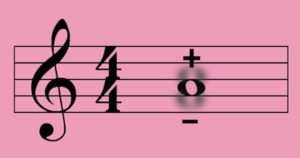
SINGING ON KEY TIPS
It can be the octave we are in, or it may just be that we are flat/sharp. You may want to take a moment and just listen to what you’re singing before jumping right into it. Singing is about feeling the notes.
Not enough air can cause the vocal folds to be over-muscled and a bit too thick. This can make a singer go flat or below the correct pitch. Conversely, a faster airflow rate can cause the pitch to rise, going above the correct pitch and sounding sharp.
People go off-key when singing when the music is being played out of their natural pitch range. When your voice is naturally low, contralto as a female or basso profundo as a male, the difficulty arises in that you’re not allowed to sing the melody.
8 Tips To Sing On Key;

SINGING ON KEY TIPS
- Perfect your singing posture.
- Find your volume.
- Always warm up before you start singing.
- The thyroid tilt technique.
- Be mindful of your jaw and lips.
- Always sing from your diaphragm.
- Learn how to speak-sing.
- Don’t forget to cool down your voice
Summary
It is good going over the basics again, even if you have performed dozens of installs. Packed with up-to-date practical advice for Dante system management at any scale, this Best Practices Guide Whether you are growing, setting up, or simply trying to improve your process, this is a good resource.

Capable God Lyrics

Glorious God Lyrics

Ancient of Days Lyrics

A Step-by-Step Guide to Deleting Reels on Instagram

How to Create a WhatsApp Group