Health
Analysing hypertension

Analysing hypertension. When the force of blood pushing against your artery walls is continuously too great, you have high blood pressure, also known as hypertension. Often referred to as a “silent killer,” it typically exhibits no signs until significant harm is done. Regular readings are the only method to find out your state.
ANALYSING HYPERTENSION
How the heart pumps blood into the arteries, reaching every organ from the top of the head to the bottom of the feet. Blood pressure is the force that blood exerts on the walls of the arteries as it passes through the body.Reducing processed foods and salt is typically the first thing that comes to mind when thinking about ways to try to reduce high blood pressure. But a heart-healthy diet involves more than just cutting back on salt.
What is blood pressure?
As blood travels through the aorta to exit the heart, it reaches its greatest blood pressure and then progressively drops as it passes through arteries and capillaries. Via the veins that travel to the heart, blood returns with the help of muscular contraction and gravity.
What Causes Blood Pressure?
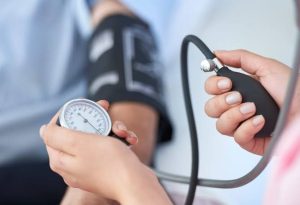

Primary or essential hypertension is the term used to describe the condition that affects 90% of people with high blood pressure but whose etiology is unknown. There are risk factors that can contribute to the development of high blood pressure, even though the exact reason is unknown.
Factors that cannot be changed
1. Age
An individual’s risk of developing high blood pressure, particularly increased systolic readings, increases with age. The primary cause of this is arteriosclerosis, sometimes known as ” hardening of the arteries.”
2. Race


Compared to Caucasians, African Americans experience high blood pressure more frequently. They experience more serious difficulties earlier in life and acquire high blood pressure at a younger age.
3. Age and Race:
The likelihood of having the condition later on life is 93% for African Americans, 92% for hispanics, 86% for caucasians, and 84% for chinese persons over 45 who do not have high blood pressure.
4. Gender
In general, men are more likely than women to develop high blood pressure. This probability changes with age and across different ethnic groupings.
Factors that can be changed
1. Alcohol use


For people who are alcohol sensitive, consuming more than one or two drinks of alcohol each day usually results in elevated blood pressure.
2. Lack of exercise (physical inactivity)
Sedentary behavior is linked to the development of high blood pressure and obesity.
3. Medications
Blood pressure can be elevated by certain pharmaceuticals, including diet pills, amphetamines ( stimulants), and pseudoephedrine, which is used to treat cold and allergy symptoms.
What Are the Signs and Symptoms of High Blood Pressure?


Analysing hypertension
i. Headache
ii. Lightheadedness
iii. Hazy vision
iv. Vomiting and nausea
High blood pressure and heart symptoms
I. chest ache
II. Breathlessness
III.Deficiency vomiting and nausea
When Should You Call a Doctor for High Blood Pressure?


Analysing hypertension
Years of inadequate blood pressure management cause a variety of symptoms to progressively manifest. Frequently, people with symptoms resembling a stroke or complaints of chest pain become aware of their hypertension for the first time.
Summary
Over time, uncontrolled hypertension puts a load on your organs and arteries. In addition to causing kidney failure, eyesight loss, aneurysms, and cognitive decline if untreated, this silent killer dramatically raises the chance of fatal events including heart attacks and strokes.