tooth health
Analysing Mouth Infections

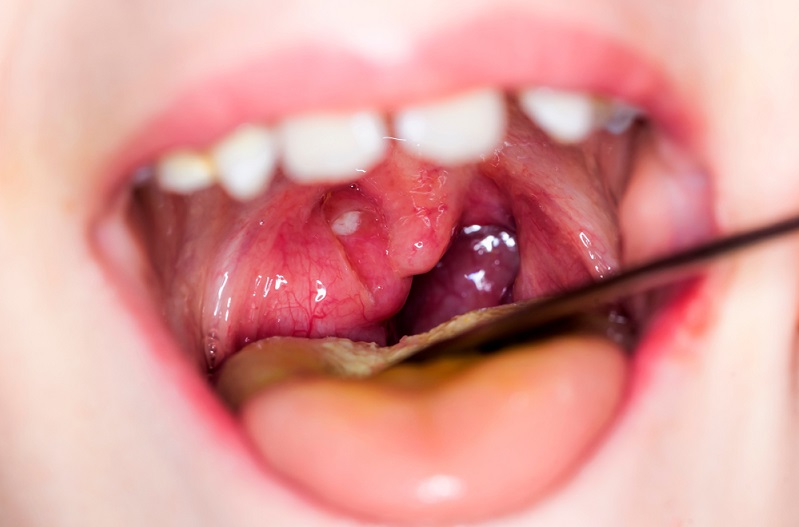
Analysing mouth infections. When pathogenic microorganisms—bacteria, viruses, or fungi—invade the soft tissues, gums, or teeth, it can result in mouth infections, also known as oral infections. Infections can range from slight irritation to serious systemic sickness when the mouth’s complex microbiome is upset by trauma, poor hygiene, or systemic health problems.
ANALYSING MOUTH INFECTIONS
When dangerous germs like bacteria, viruses, or fungus enter and grow inside the oral cavity, it is referred to as a mouth infection. Typical oral infections consist of:
1. Gingivitis:
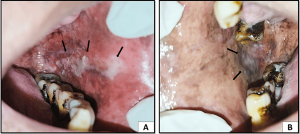
Inflammation of the gums, often caused by plaque buildup. It can lead to redness, swelling, and bleeding gums.
2. Periodontitis: An advanced stage of gum disease involving inflammation and infection that can damage the soft tissue and bone supporting the teeth.
3. Oral Thrush: A fungal infection caused by Candida yeast, resulting in white patches on the tongue, inner cheeks, and throat.
4. Cold Sores:
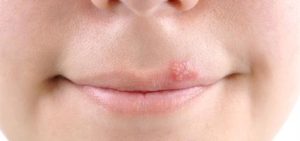
Caused by the herpes simplex virus, cold sores are painful, fluid-filled blisters that typically appear on or around the lips.
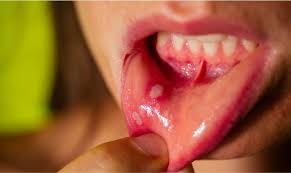
5. Canker Sores: Painful, shallow ulcers that can form inside the mouth, often due to factors like stress, injury, or certain foods.
6. Dental Abscess: A pocket of pus that can form within the teeth or gums, usually due to a bacterial infection. It can be extremely painful.
7. Stomatitis:
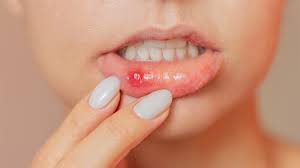
Inflammation of the mucous lining of the mouth, which can be caused by various factors, including infections, allergies, or irritants.
To prevent mouth infections, consider adopting these practices for good oral hygiene:
1. **Regular Brushing:** Brush your teeth at least twice a day with fluoride toothpaste. Use a soft-bristled toothbrush and ensure you reach all surfaces of your teeth.
2. Flossing:

ANALYSING MOUTH INFECTIONS
Floss daily to remove plaque and debris between teeth and along the gumline where a toothbrush might not reach.
3. Regular Dental Check-ups: Schedule regular dental check-ups and cleanings. Your dentist can detect potential issues early and provide professional cleaning.
4. Balanced Diet: Maintain a balanced diet rich in vitamins and minerals. Avoid excessive consumption of sugary and acidic foods, which can contribute to decay and infections.
5. Hydration: Drink plenty of water to help maintain a moist environment in the mouth and to wash away food particles.
6. Limit Tobacco and Alcohol:

ANALYSING MOUTH INFECTIONS
Tobacco and excessive alcohol consumption can contribute to gum disease and other oral health issues. Limit or avoid these substances.
7. Avoid Chewing Tobacco: Chewing tobacco increases the risk of oral cancers and other infections. Quitting can significantly improve oral health.
8. Protective Gears: If you engage in contact sports, wear appropriate protective gear, such as mouthguards, to prevent injuries that could lead to infections.
9. Manage Stress: Stress can affect your immune system and oral health. Practice stress-reducing techniques like meditation or yoga.
10. Avoid Sharing Personal Items:

ANALYSING MOUTH INFECTIONS
Avoid sharing toothbrushes, drinking glasses, or eating utensils, as this can spread infections.
11. Address Dental Issues Promptly: If you notice any signs of dental problems, such as pain, swelling, or changes in your mouth, seek prompt dental care.
By incorporating these habits into your routine, you can maintain good oral health and reduce the risk of developing mouth infections. Regular dental visits play a crucial role in preventive care. Stay tuned for more updates.
Summary
In order to provide individualized treatment programs, dental hygiene analysis is a thorough, data-driven evaluation of a patient’s oral health to detect risks for conditions like gingivitis or cavities. Examining gum health, assessing brushing and flossing methods, and keeping an eye out for tooth grinding are important elements.
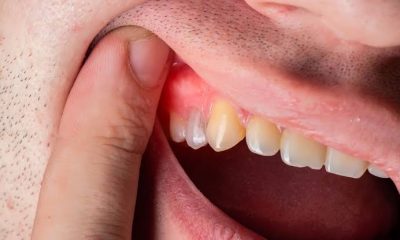

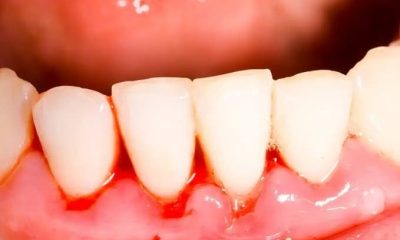


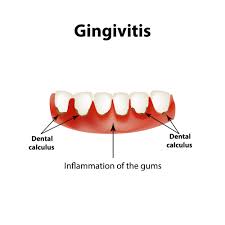
Analysing gingivitis. This is a common and moderate form of gum disease (periodontal disease) that causes irritation, redness, and swelling (inflammation) of your gingiva, the area of your gum around the base of your teeth. Gingivitis is a prevalent, reversible, and non-destructive form of periodontal disease characterized by inflammation of the gums (gingiva). Bacterial plaque, a sticky layer of germs that develops on teeth,
ANALYSING GINGIVITIS
is the main cause. Gingivitis can develop into periodontitis, an irreversible disease that causes bone and tissue loss and can result in tooth loss, if treatment is not received. The most typical signs include bleeding, especially when brushing or flossing, and red, puffy, or swollen gums. Tenderness and bad breath (halitosis) are other symptoms.
Key symptoms:
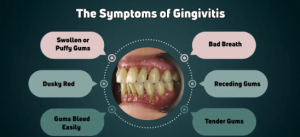
1. Gum Redness: The gums become red and may appear swollen.
2. Bleeding Gums: Gums may bleed, especially during brushing or flossing.
3. Bad Breath: Persistent bad breath, also known as halitosis, can be a symptom of gingivitis.
4. Tender or Sensitive Gums: Gums may be tender or sensitive to the touch.
5. Receding Gums: In some cases, gingivitis can cause gums to recede, making teeth appear longer.
Gingivitis is often caused by the accumulation of plaque — a sticky film of bacteria — on teeth and gums. Poor oral hygiene is a primary factor, but other factors such as smoking, certain medical conditions, and hormonal changes (as seen in pregnancy, menstrual cycle, or menopause) can contribute.
More symptoms;

Gingivitis can often be effectively treated and even reversed with proper oral hygiene and lifestyle changes. Here are key steps for managing and curing gingivitis:
1. Improved Oral Hygiene:
– Brush your teeth thoroughly at least twice a day with a fluoride toothpaste.
– Use a soft-bristled toothbrush to avoid irritating your gums.
– Floss daily to remove plaque and debris between teeth.
– Consider using an antiseptic mouthwash as recommended by your dentist.
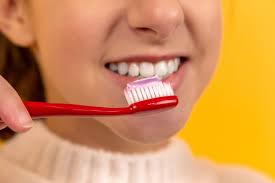
2. Professional Dental Cleanings:
– Schedule regular dental check-ups and professional cleanings to remove accumulated plaque and tartar that may be difficult to reach with regular brushing and flossing.
3. Address Underlying Factors:
– Quit smoking if you smoke, as smoking can contribute to gum disease.
– Manage any underlying health conditions that may be affecting your oral health.
4. Balanced Diet:

ANALYSING GINGIVITIS
– Maintain a balanced diet rich in vitamins and minerals to support overall oral health.
5. Avoiding Irritants:
– Limit alcohol consumption.
– Be cautious with certain medications that may cause dry mouth, contributing to gingivitis.
6. Stress Management:

ANALYSING GINGIVITIS
– Manage stress, as stress can impact your immune system and oral health.
It’s important to note that the effectiveness of these measures depends on the severity of the gingivitis. If gingivitis progresses to a more advanced stage, known as periodontitis, professional intervention may be required. In such cases, your dentist may recommend scaling and root planing or other periodontal treatments.
Regular dental check-ups are crucial for early detection and intervention. If you suspect you have gingivitis or are experiencing symptoms, consult with a dentist for a proper diagnosis and personalized treatment plan. Stay tuned for more updates.
Summary
The early, treatable stage of gum disease known as gingivitis is brought on by plaque accumulation and manifests as red, swollen, and bleeding gums. Tartar is removed by professional dental cleanings and better oral hygiene (brushing and flossing). If left untreated, it may develop into periodontitis.
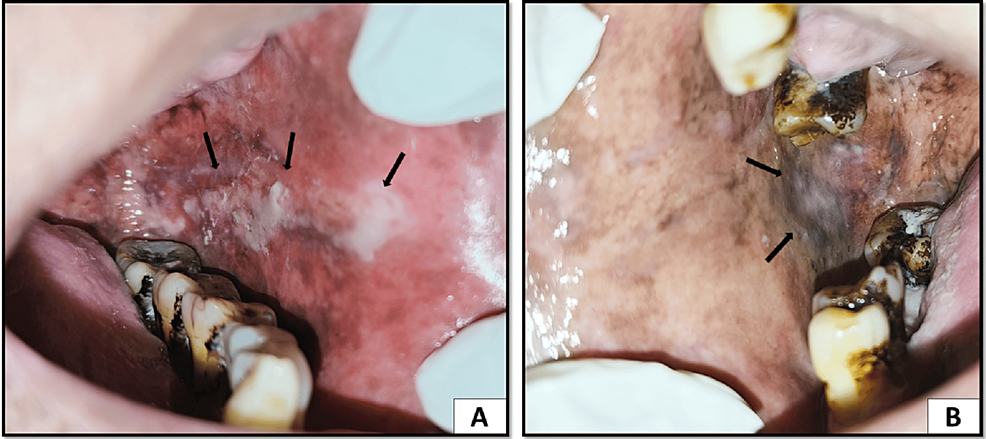
Analysing oral thrush. A fungal infection known as oral thrush, or oral candidiasis, is brought on by an excess of Candida yeast in the mouth. It frequently affects the oral cavity’s mucous membranes, resulting in the formation of elevated, white or creamy lesions on the tonsils, gums, roof of the mouth, inner cheeks, and tongue. A weaker immune system, the use of antibiotics, diabetes, wearing dentures, and certain illnesses or drugs that decrease the immunological response are common risk factors for oral thrush.
ANALYSING ORAL THRUSH
An overabundance of Candida yeast, most frequently Candida albicans, causes oral thrush, also known as oropharyngeal candidiasis, a fungal illness of the mouth and throat. It is distinguished by creamy white lesions that resemble cottage cheese and are usually found on the tongue or inner cheeks. While frequent in newborns, elderly individuals, and those with compromised immune systems, it is curable with antifungal medicine.
Symptoms:
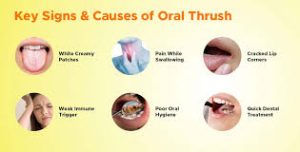
1. White Lesions: The appearance of creamy, white lesions on the tongue, inner cheeks, gums, tonsils, or roof of the mouth.
2. Redness and Discomfort: Infected areas may appear red and can be associated with discomfort, a burning sensation, or irritation.
3. Difficulty Swallowing:

In some cases, oral thrush may lead to difficulty swallowing or a feeling of having a lump in the throat.
4. Altered Taste: An affected individual may experience changes in taste perception.
5. Cracking and Redness at Corners: Angular cheilitis, characterized by redness and cracking at the corners of the mouth, can occur.
Below are ome remedies:
1. Antifungal Medications: Over-the-counter or prescription antifungal medications, such as oral rinses or lozenges, are often used to treat oral thrush. These medications help to control the growth of the Candida yeast.
2. Good Oral Hygiene:
ANALYSING ORAL THRUSH
Maintain good oral hygiene practices, including regular brushing of teeth, gums, and tongue. Use a soft toothbrush to avoid irritation.
3. Saltwater Rinse: Rinse your mouth with a warm saltwater solution. This can help soothe the affected areas and may have mild antifungal properties.
4. Probiotics: Incorporate probiotic-rich foods or supplements into your diet. Probiotics can help restore the balance of healthy bacteria in your mouth.
5. Gentle Brushing of Lesions:

ANALYSING ORAL THRUSH
Gently brush the white lesions with a soft toothbrush to remove the plaques. Be careful not to cause further irritation.
6. Limit Sugar Intake: Reduce your intake of sugary foods and beverages, as sugar can promote the growth of Candida.
7. Stay Hydrated: Drink plenty of water to help maintain a moist environment in the mouth and promote overall oral health.
8. Avoid Irritants:
ANALYSING ORAL THRUSH
Avoid tobacco and limit alcohol intake, as these can irritate the mouth and compromise the immune system.
9. Denture Care: If you wear dentures, clean them thoroughly and remove them at night. Ensure proper hygiene to prevent reinfection.
Treatment often involves antifungal medications, such as oral antifungal rinses or lozenges. Maintaining good oral hygiene practices and addressing underlying health conditions can help prevent and manage oral thrush. Consultation with a healthcare professional or dentist is recommended for an accurate diagnosis and appropriate treatment.
Summary
Oropharyngeal candidiasis, also known as oral thrush, typically manifests as creamy white, cottage cheese-like patches on the tongue, inner cheeks, gums, or throat that may bleed when scraped. A cottony mouth feel, taste loss, redness or pain, difficulty swallowing, and broken skin at the corners of the mouth are some of the symptoms.

Swollen gums analysis. Gum swelling shouldn’t be disregarded because it may be a sign of more serious oral health problems. In order to treat and prevent gum swelling, it is essential to use efficient medicines, practice good oral hygiene, and seek professional dental care. People can enjoy a pain-free smile and lower their chance of developing more serious gum-related issues in the future by making oral health a priority.
SWOLLEN GUMS ANALYSIS
Gingivitis (plaque accumulation), hormonal changes (pregnancy, puberty), or infections are frequent causes of swollen gums (gingival edema), which manifests as puffy, red, or bleeding tissue. Improved oral hygiene is typically enough to control them, but if swelling persists for more than two weeks, dental care is necessary to rule out periodontitis or vitamin deficiencies.
Common Causes:
-
Gingivitis:
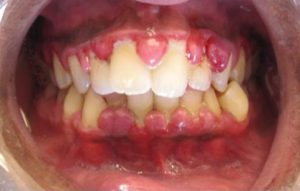
The most common cause of swollen gums is gingivitis, an early stage of gum disease. Poor oral hygiene leads to the buildup of plaque, causing inflammation and swelling of the gums. Read more on gingivitis here…..
-
Poor Oral Hygiene:
Inadequate brushing, flossing, and regular dental check-ups can result in gum issues. Plaque buildup can lead to bacterial growth, causing inflammation.
-
Hormonal Changes:

Hormonal fluctuations during pregnancy, menstruation, or menopause can contribute to gum sensitivity and swelling.
-
edical Conditions:
Certain medical conditions, such as diabetes or autoimmune disorders, may affect gum health and lead to swelling.
-
Dental Appliances:
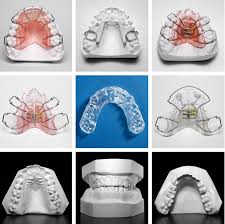
Ill-fitting dentures, braces, or retainers can irritate the gums and cause inflammation.
Effective Remedies for Swollen Gums:
a. Improved Oral Hygiene:
Brushing teeth at least twice a day with fluoride toothpaste and flossing regularly helps remove plaque and prevents gingivitis.
b. Anti-Inflammatory Rinses:

Rinsing with a saltwater solution or an antimicrobial mouthwash can help reduce inflammation and promote healing.
c. Warm Compresses:
Applying a warm compress to the affected area can alleviate pain and reduce swelling. Be cautious not to use hot water to avoid further irritation.
d. Aloe Vera Gel:

SWOLLEN GUMS ANALYSIS
Known for its anti-inflammatory properties, applying aloe vera gel to swollen gums may help soothe discomfort and promote healing.
e. Proper Nutrition:
Consuming a balanced diet rich in vitamins and minerals supports overall gum health. Vitamin C, in particular, aids in collagen production and gum tissue repair.
f. Hydration:
Drinking plenty of water helps maintain oral moisture and supports overall gum health.
Professional Dental Care:
a. Dental Cleanings;

SWOLLEN GUMS ANALYSIS
Regular professional cleanings by a dentist or dental hygienist are crucial for removing plaque and preventing gum disease.
b. Scaling and Root Planing:
For more advanced cases of gum disease, scaling and root planing may be recommended to remove tartar and smooth root surfaces.
c. Orthodontic Adjustments:
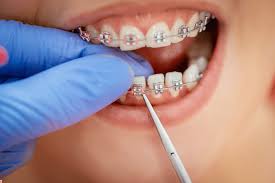
SWOLLEN GUMS ANALYSIS
If swollen gums are caused by dental appliances, consulting with an orthodontist to make necessary adjustments is essential.
Preventive Measures:
a. Regular Dental Check-ups:

V
Routine dental check-ups allow for early detection and management of gum issues before they escalate.
b. Proper Oral Care Habits:
Establishing and maintaining good oral hygiene practices are fundamental in preventing swollen gums.
Summary
A frequent dental problem, swollen gums can be unpleasant and may be a sign of an underlying oral health issue. Gum swelling can be caused by a number of things, including systemic health problems and poor dental hygiene. People can treat this problem and preserve their best dental health by investigating the causes and practical solutions.

Capable God Lyrics

Glorious God Lyrics

Ancient of Days Lyrics

A Step-by-Step Guide to Deleting Reels on Instagram

How to Create a WhatsApp Group