Health
Antibacterial Agents

Antibacterial Agents. In order to safeguard health and stop the development of bacterial illnesses, antibacterial agents are crucial. Their many uses, which range from daily cleanliness and food safety to medical treatments, help to keep the environment clean and healthy. To maximize their advantages and reduce any possible hazards, proper use and knowledge are essential.
ANTIBACTERIAL AGENTS
Aminoglycosides, tetracyclines, macrolides, glycopeptides, and quinolones are additional commonly used antibacterial drugs. The majority of antifungal medications are only appropriate for topical use. Griseofulvin, terbinafine, amphotericin B, and other azole derivatives are agents used for systemic treatment of fungal infections.
Types of Antibacterial Agents;
1. Antibiotics:
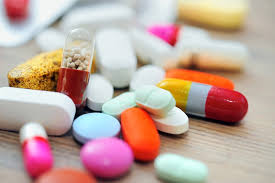

These are drugs specifically designed to target and kill bacteria or inhibit their growth. Antibiotics, such as penicillin and tetracycline. Are used to treat bacterial infections ranging from minor wounds to serious illnesses like pneumonia and tuberculosis. It’s essential to use antibiotics as prescribed to avoid resistance.
2. Antiseptics: These are substances applied to living tissues to reduce the risk of infection. Common antiseptics include alcohol, iodine, and hydrogen peroxide. They are used for cleaning wounds and sanitizing skin before medical procedures.
3. Disinfectants:
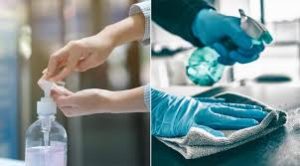

These agents are used on non-living surfaces to kill bacteria and other pathogens. Commonly found in cleaning products for households, hospitals, and public areas are disinfectants such bleach, phenols, and quaternary ammonium compounds.
4. Essential Oils: Some essential oils, like tea tree oil and eucalyptus oil, have natural antibacterial properties. They are often used in alternative medicine and natural cleaning solutions for their antimicrobial benefits.
Applications and Benefits;
1. In Medical Settings:


Antibacterial agents are crucial in preventing and treating infections in hospitals and clinics. Proper use of antibiotics and antiseptics helps control the spread of bacterial diseases and supports recovery.
2. Daily Hygiene: Antibacterial soaps and hand sanitizers help reduce the spread of bacteria and lower the risk of infections. Regular hand washing and cleaning with antibacterial agents contribute to overall public health.
3. In Food Safety: Antibacterial agents are used to sanitize surfaces and equipment in food preparation areas, helping to prevent foodborne illnesses.
Proper Use and Considerations;

Best Antibacterial Agents
– Avoid Overuse: Excessive use of antibiotics and antibacterial products can lead to antibiotic resistance, making bacteria harder to treat.
– Follow Instructions: Use it according to guidelines to ensure their effectiveness and reduce the risk of adverse effects.
– Balance with Hygiene:

Best Antibacterial Agents
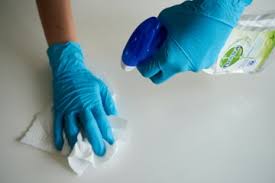
Regular hand washing and proper hygiene practices complement the use of ot in preventing infections.
Summary
They have a vital role in preserving health and hygiene by preventing, inhibiting, or killing microorganisms. In order to prevent the spread of bacterial diseases and maintain a healthy environment, they are essential to both medical procedures and regular cleaning procedures.