Health
Asthma management tips

Asthma management tips. People with asthma can successfully manage their symptoms, lessen the frequency of exacerbations, and enhance their quality of life by implementing these management techniques into their everyday lives. Long-term asthma control requires constant collaboration with medical professionals and strict adherence to medication regimens.
ASTHMA MANAGEMENT TIPS
A customized, proactive strategy that combines daily controller medication, quick-relief inhalers for flare-ups, and trigger avoidance is necessary for effective asthma management. A doctor’s documented Asthma Action Plan, which outlines when to take medication, when to raise dosages, and when to seek emergency care, is crucial.
1. Medication Adherence:


• Controller Medications: These medications are taken regularly to prevent asthma symptoms and reduce airway inflammation. They include inhaled corticosteroids, long-acting beta-agonists, leukotriene modifiers, and immunomodulators.
• Reliever Medications: Short-acting beta-agonists (SABAs) are used as rescue medication to relieve acute asthma symptoms and provide quick relief during exacerbations.
2. Asthma Action Plan:
• Develop a personalized asthma action plan with your healthcare provider. This plan outlines daily medication use, steps to take when asthma symptoms worsen, and when to seek emergency care.
3. Avoiding Triggers:
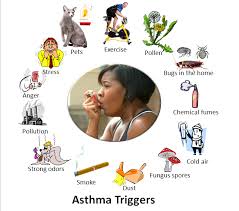

• Identify and minimize exposure to asthma triggers such as allergens (pollen, dust mites, pet dander), air pollution, tobacco smoke, cold air, and respiratory infections.
4. Allergy Management:
• Address underlying allergies that may exacerbate asthma symptoms through allergen avoidance, allergen immunotherapy (allergy shots), or medications such as antihistamines and nasal corticosteroids.
5. Lifestyle Modifications:


Asthma management tips
• Maintain a healthy lifestyle with regular exercise, balanced nutrition, adequate hydration, and sufficient sleep. Exercise-induced asthma can be managed with pre-exercise bronchodilators and warm-up routines.
• Avoid exposure to irritants such as strong odors, chemicals, and air pollutants that can trigger asthma symptoms.
6. Monitoring:
• Use peak flow meters or spirometry to monitor lung function regularly and track asthma symptoms. This helps in early detection of worsening symptoms and adjustment of treatment accordingly.
7. Regular Follow-up:


Asthma management tips
• Schedule regular follow-up appointments with your healthcare provider to assess asthma control, review treatment effectiveness, adjust medication dosages if necessary, and address any concerns or questions.
8. Emergency Preparedness:
• Know how to recognize worsening asthma symptoms and when to seek emergency medical care. Carry a rescue inhaler at all times and ensure family members, caregivers, and school personnel are aware of your asthma action plan.
9. Education and Support:


Asthma management tips
• Educate yourself and your family about asthma management, including medication use, trigger avoidance, and recognizing signs of worsening symptoms. Join support groups or seek counseling to cope with the emotional aspects of living with asthma.
10. Environmental Control:
• Managing asthma requires taking steps to control indoor environmental factors such as dust, mold, and humidity levels. Use mattress and pillow covers, vacuum regularly, and maintain proper ventilation to reduce allergen exposure.
Summary
To control symptoms, avoid exacerbations, and preserve general lung health, asthma management entails a combination of medication, lifestyle modifications, and routine monitoring. The following are some essential asthma control techniques: