



Perimenopause is the transitional phase leading up to menopause, marking a significant change in a woman’s reproductive life. Typically starting in a woman’s 40s, though it...


Performing a natural or self-breast examination is an important practice for early detection of breast cancer. While it’s not a substitute for regular screenings by a...


Physical inactivity is a major public health concern that refers to the lack of sufficient physical activity to meet the recommended levels for maintaining good health....


An unhealthy diet is one that fails to provide the essential nutrients needed for the body to function optimally. It typically includes high amounts of processed...


The menstrual cycle is a complex process regulated by hormones, and it can vary significantly from woman to woman. While the average cycle lasts around 28...
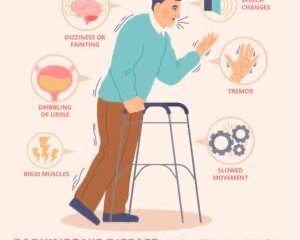

Parkinson’s disease is a progressive neurological disorder that primarily affects movement. It occurs when nerve cells in a specific part of the brain called the substantia...


Multiple Sclerosis (MS) is a chronic autoimmune disease that affects the central nervous system, which includes the brain and spinal cord. In MS, the immune system...


Coronary Artery Disease (CAD) is the most common type of heart disease and a leading cause of death worldwide. CAD occurs when the coronary arteries, which...


Alzheimer’s disease is a progressive neurodegenerative disorder that primarily affects older adults, leading to a gradual decline in memory, thinking skills, and the ability to carry...


Epilepsy is a neurological disorder characterized by recurrent, unprovoked seizures. These seizures result from sudden bursts of electrical activity in the brain, disrupting the normal communication...


