Sports
Basketball Rules


Basketball rules. Depending on where the game is played (international rules differ from professional rules) or the level of play, basketball laws can vary slightly. The majority of the rules covered below, however, may be used in almost every basketball game, and any rule deviations are typically just variations on the fundamental game. A basketball game is won by the team that scores the most points. Tossing the basketball through the opponent’s basket or hoop earns you points. A basket shot from within the three-point line is worth two points in regular play, while a basket shot from outside the three-point line is worth three.
BASKETBALL RULES
Meanwhile, basketball, with its fast-paced action and high-flying athleticism, has captured the hearts of millions around the globe. Whether played competitively on the hardwood or casually at the neighborhood court, understanding the fundamental rules of basketball is essential for both players and fans alike. In this guide, we break down the basic rules of basketball, providing a comprehensive overview for newcomers and seasoned enthusiasts alike.
The Objectives
The primary objective in basketball is to score points by shooting the ball through the opponent’s hoop. Each successful basket is worth a certain number of points, depending on the shot’s distance and manner of execution.
The Court

A standard basketball court is rectangular in shape, with dimensions of 94 feet in length and 50 feet in width. The court is divided into two halves by a midcourt line, and each half contains a basket and backboard at opposite ends.
The Teams

A basketball game is played between two teams, each consisting of five players on the court at any given time. Additional players are available on the bench as substitutes, who can enter the game during stoppages in play.
The Game
In professional play, a basketball game consists of four quarters, each lasting 12 minutes. Teams trade sides at the conclusion of the first and third quarters. Extra periods (overtime) may be played to decide the winner if the score is tied at the end of regulation time.
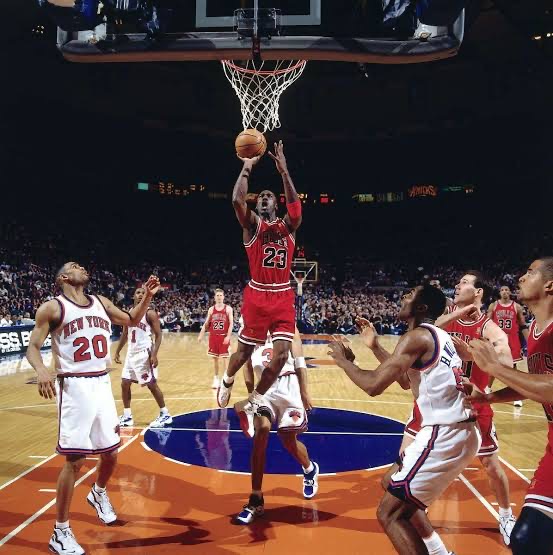
Points are scored by successfully shooting the ball into the opponent’s basket. The following are the most common methods of scoring:
– Two-Point Field Goal: A basket made from anywhere inside the three-point line is worth two points.
– Three-Point Field Goal: A basket made from beyond the three-point line is worth three points.
– Free Throw: Awarded after certain fouls, free throws are uncontested shots taken from the free-throw line. Each successful free throw is worth one point.
Fouls and Violations
However, players must adhere to certain rules and regulations to maintain fair play. Common fouls and violations in basketball include:
– Personal Foul
Contact deemed illegal by the referees, such as pushing, holding, or tripping an opponent.
– Technical Foul
Non-contact fouls, such as unsportsmanlike conduct or illegal substitutions.
– Traveling
Moving without dribbling the ball or taking too many steps while holding it.
– Double Dribble
Dribbling the ball with both hands simultaneously or stopping and then restarting a dribble.

Also, basketball’s appeal lies not only in its fast-paced action and high-scoring nature but also in the strategic depth and skill required to excel at the game.
Summary
Hence, a team needs more field goals than the opposition in order to win the game. A basket that a player makes while playing is called a field goal. Both two and three points can be earned for field goals. Field goals that are made from inside the arc that marks the court’s three-point line are worth two points. Outside-the-arc field goals are worth three points.



Soccer relevance. In addition to improving cardiovascular health, endurance, and strength and teaching discipline and teamwork, playing soccer is essential for promoting overall physical, mental, and social well-being. It enhances coordination, increases cognitive function, and lowers stress by releasing endorphins. In addition, the activity fosters community, self-assurance, and vital life qualities like tenacity and leadership.
SOCCER RELEVANCE
Through tournaments, travel, and sponsorships, soccer generates billions of dollars in economic activity worldwide and serves as a crucial instrument for health, education, and community togetherness. Being the most popular sport in the world, it promotes social inclusion, develops character, and offers a global language that cuts over societal and financial divides.
1. Develop More Endurance;

Many aspects of life benefit from endurance. You can improve your physical and mental endurance by playing soccer. In a typical soccer match, you will run 10 kilometers or more. If you’re not a runner in the first place, this will undoubtedly increase your endurance.
2. Use Muscle Toning;
Playing soccer can also help you develop incredibly toned muscles, which is another physical benefit. You will burn fat and gain muscular mass if you run around as often as you do. Your muscles will become more toned if you play soccer frequently. Playing soccer may also cause you to lose weight, depending on several variables.
3. Become More Powerful;

SOCCER RELEVANCE
The third benefit is muscle; having toned muscles will make you strong in addition to looking fantastic. You’ll develop particularly strong legs. Because you’re working your muscles during the game, they will gradually get stronger. This also applies to your bones, which will gain from consistent soccer practice.
4. Develop Your Collaboration;
Capabilities Being a team sport is another awesome feature of playing soccer. Developing your teamwork abilities is beneficial in a variety of ways. You will require this ability in many aspects of your life. Playing soccer requires more than just doing it alone. For optimal outcomes, you must consider others and how to collaborate with them.
5. Organize like an expert;

SOCCER RELEVANCE
When you play soccer, you get to practice coordination, which is important in a lot of different ways. Throughout a game, you must constantly coordinate and navigate. As you sprint, turn, twist, and dribble, you’re avoiding other players. Your coordination will improve as a result of all of this, and it will be useful in many aspects of your life.
Summary
There are several fantastic advantages to playing soccer. It’s possible to improve your coordination, teamwork, and cognitive abilities while becoming healthy and having fun. You should research some amazing football game-playing strategies if you’re a fan.


Sports benefits for adults. Adults who regularly participate in sports benefit greatly in terms of their physical, mental, and social well-being. These benefits include a lower chance of chronic illnesses (such as diabetes, cardiovascular disease, and some types of cancer), higher strength, better mental health, better sleep, and a longer life expectancy. Playing sports reduces stress, builds muscle, increases immunity, enhances balance and coordination, fosters social contact, and frequently lessens anxiety and sadness.
SPORTS BENEFITS FOR ADULTS
Adults worry about and struggle with these issues; young athletes just want to enjoy themselves while playing a game they love with their buddies. Even when they quit playing sports, teammates frequently stay in touch with one another. You practice with other team members throughout the entire year. Together, you go through both good and bad moments, and it’s hard to end that kind of connection. You can always rely on your teammates, who become your second family.
1. Teaches Important Lessons;

Children gain from sports by learning important life lessons. Sports participation instills in players the value of perseverance and the idea that everyone should strive to be their best self, regardless of identity. It also teaches you to be accepting and respectful of other people, which includes all the people in the sport—officials, coaches, opponents, and teammates.
2. Social Benefits;
Youngsters who participate in sports also gain socially. They can socialize, form new connections, and meet other children while playing sports, especially when they’re on a team. while these encounters, they can improve their social skills.
3. Mental Benefits;

Sports benefits for adults
Playing sports with kids has additional health benefits, such as mental health advantages. Engaging in physical activities, particularly team sports, has been demonstrated to enhance mental well-being by reducing stress, anxiety, and depression and boosting self-confidence.
4. Physical Benefits;

Sports benefits for adults
Children who do sports can benefit physically, which is one of the key advantages. Children who play in shorts have numerous health advantages, such as fostering healthy growth and development, enhancing the immune system, fortifying bones and muscles, and lowering the risk of contracting certain illnesses and diseases like obesity, hypertension, and cardiovascular disease.
5. Confidence;
Sports benefits for adults
Sporting activities provide kids with more self-worth and confidence. Kids get a sense of achievement when they succeed in athletics, whether it’s overcoming a difficult practice, winning a close game with their teammates, or doing well on their own. improved self-esteem
Summary
Sport is a physical exercise or game that maintains or enhances physical ability and skills. It is frequently structured and competitive. Participants and spectators may find fun in sports.[2] A sport can have hundreds of participants or just one.


Sports and school curriculum. Incorporating sports into the curriculum is essential for the holistic development of students. It improves academic performance, mental health, and physical health through teamwork, discipline, leadership, and stress relief. It also teaches critical life skills like sportsmanship and resilience that enhance traditional book learning for well-rounded individuals.
SPORTS AND SCHOOL CURRICULUM
Sport is a physical exercise or game that maintains or enhances physical ability and skills. It is frequently structured and competitive. Participants and spectators may find fun in sports.A sport can have hundreds of participants or just one.
1. Health Improvement;

Outdoor sports can improve your fitness and are fantastic for kids. Frequent exercise can strengthen your heart, bones, and lungs. It also aids in the prevention of chronic illnesses. Blood circulation, stress reduction, weight loss, and diabetes management can all be aided by sports. Sports can help build and tone bones and muscles because of the confluence of cerebral and physical growth.
2. A boost to confidence;

Sports and school curriculum
Winning isn’t everything in sports. Instead, it’s about reaching objectives and cooperating with others. In most sports, the goal is friendly competition. PE teachers must capitalize on the inherent excitement and competitiveness of sports to assist kids develop their confidence and enjoy and learn how to play peacefully.
3. Leadership Ability;

Whether playing with the national team or a small group of pals, every team requires a leader. As students grow, they are given the chance to assume leadership roles. They gain confidence and are more equipped to make wise decisions as a result. Sports can help you develop these skills because they demand you to make judgments and share them with your teammates often for the sake of the team as a whole.
4. Collaboration;

Sports and school curriculum
Although, People who can work effectively together make up effective teams. For many kids, physical education is their first introduction to teamwork. Individuals are not as essential as the team as a whole, according to several clubs. Your youngster will be able to work as a team and observe directly.
5. Sport’s discipline;

However, This component, which incorporates failure, is underappreciated. You need to be persistent and disciplined to achieve in life. Athletes are one example of this. Naturally occurring highs are caused by the sport’s basic nature, which clearly defines winners and losers. Young athletes need to be prepared for this in adulthood.
6. Performance in the classroom;

Also, Participating in athletic activities instills discipline, which is advantageous in many facets of life. Students gain physical, mental, and tactical skills through athletics. Pupils can concentrate more effectively and see more clearly.
Summary
Beyond their physical benefits, sports have several educational benefits. This blog will examine how student athletes enhance their academic achievement, health, and way of life.

Advantages of Eating Dates

Waking Early Health Impacts

Peaches Health Relevance

A Step-by-Step Guide to Deleting Reels on Instagram

How to Create a WhatsApp Group