vegetables
Benefits of Capsicum


Benefits of capsicum. The botanical family Soanaceae includes the genus Capsicum, which includes all bell peppers and chilies, from mild to extremely hot. Another genus of plants is the source of black pepper. The genus Capsicum includes all bell peppers and chili peppers. Among the many possible health advantages of capsicum are its ability to control pain and metabolic syndrome
BENEFITS OF CAPSICUM
Capsaicin, the primary active component of many chili pepper varietals, gives them their distinctively fiery flavor, or pungency. The chemicals found in capsaicin and other capsicums have anti-inflammatory and antioxidants qualities.
1. Diabetes
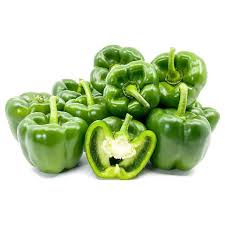
Research indicates that capsaicin has a number of anti-diabetic properties. One of these is lowering insulin resistance, which facilitates the passage of blood glucose from the circulation into cells. Additionally, obesity is a significant risk factor for diabetes that capsaicin helps avoid.
2, Cholesterol
According to several studies, capsaicin may lower triglycerides, low-density lipoproteins, or “bad cholesterol,” and total cholesterol. They also suggest that it can raise “good cholesterol,” or high-density lipoproteins.
3. blood pressure

Research indicates that capsaicin lowers high blood pressure in a number of ways. These include the release of chemicals that dilate blood vessels, the inhibition of an enzyme that constricts blood vessels, and the promotion of greater urine, which lowers blood pressure by aiding in the removal of extra fluid.
4. Obesity
According to a number of studies, capsaicin increases appetite satisfaction and inhibits the growth and formation of fat cells, which helps people lose weight.
More Benefits
5. Cancer

Research on capsaicin’s effects on cancer was reviewed. High quantities of the chemical in cell cultures were used in most of the studies. Capsaicin is anti-angiogenic, meaning it helps stop the formation of blood vessels that cancer needs to grow, according to the findings overall. The scientists came to the conclusion that there are two benefits for cancer patients when capsaicin and chemotherapy are used together. It reduces pain and enhances the medications’ ability to fight cancer. To precisely determine how capsaicin affects cancer, more research is required.
6. Infections resistant to antibiotics
The rise of bacterial illnesses resistant to antibiotics is a contemporary worldwide health concern. Bacteria that cause these infections undergo mutations that make them resistant to antibiotic therapy. A study examined how well capsaicin worked against bacteria that caused infections and were resistant to the antibiotic erythromycin. These resistant bacterial strains can be killed by the chemical, according to the data.
7. Mortality
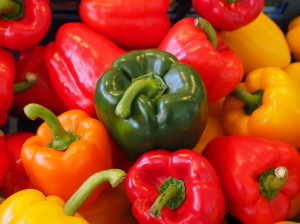
Studies have looked into the link between consuming spicy red chili peppers and passing away. Data analysis revealed that people who ate the peppers had a much lower mortality rate. The results indicated, but did not show, that eating chili peppers may reduce the risk of death because the study was observational in nature.
Summary
The genus that contains all pepper types is called capsicum. Both bell peppers and spicy peppers are used in this.
Although there are a number of phytochemicals in capsicum that have anti-inflammatory and antioxidant properties, capsaicin is the main one that gives chili peppers their pungency.

Relevance of munching cabbage. Cabbages are a low-cost, high-nutrient cruciferous vegetable. Among the substances that contribute to its health benefits are vitamin B6, folate, vitamin E, potassium, vitamin C, fiber, vitamin K, amino acids, polyphenols, and phytosterols. Consuming cabbage has been linked to a number of health advantages, such as antioxidant effects, immune system support, and a lower risk of cardiovascular disease and numerous cancers.
RELEVANCE OF MUNCHING CABBAGE
Eating raw, cooked, or fermented cabbage is very important for a balanced diet because of its great nutrient profile, affordability, and variety. This cruciferous vegetable, which is high in fiber, vitamin C, and vitamin K, has several health advantages, such as better digestion, decreased inflammation, and support for heart health.
Along with being low in calories, cabbage, like other cruciferous vegetables, is full of vitamins and minerals that your body needs. Although its nutritious composition makes it a superfood, it is sometimes overlooked in favor of more fashionable and stylish products like acai berries. Let’s examine the power that those cabbage leaves contain. The many health benefits of cabbage make it a popular vegetable. As a result, it is a key component of many diets worldwide
1. Preventive qualities against cancer;

Studies have shown that cabbage may help shield against certain types of cancer, particularly those that start in the gastrointestinal system. High quantities of fiber, antioxidants, folate, and anti-inflammatory qualities help fight cancer.
2. Aids in weight loss;
A cup of boiling cabbage only contains 33 calories. It has a lot of fiber and little fat. Additionally, cabbage promotes detoxification and excretion, which promotes liver health and accelerates weight loss.
3. Packed with nutrients;

Despite having a relatively low-calorie count, cabbage boasts an amazing nutritional profile. • It includes potassium, calcium, magnesium, dietary fiber, and manganese. • It has multiple vitamins, including as C, B6, A, K, and E.
4. Enhanced with fiber;
Two grams of fiber are present in half a cup of boiling cabbage. Because it contains a lot of fiber, cabbage helps reduce the symptoms of gastritis, which is inflammation of the stomach wall.
5. Prevents diabetes;

RELEVANCE OF MUNCHING CABBAGE
Research has shown that a diet heavy in cabbage may reduce the risk of type II diabetes because of its high fiber and antioxidant content.
6. Vitamin C Source;
Vitamin C, is a water-soluble vitamin and is abundant in cabbage, it improves the absorption of iron from plant and supports the health of the skin, blood vessels, bones, and teeth. It is an antioxidant that can eliminate free radicals that damage DNA and cell tissues.
7. Heals injuries;

RELEVANCE OF MUNCHING CABBAGE
Vitamin K, which is essential for healthy blood coagulation and wound healing, is abundant in cabbage. Its rich vitamin, mineral, and antioxidant content helps people recover more quickly and with less discomfort.
8. Reduces Inflammation;
The body fights inflammation with the help of various anti-inflammatory compounds found in cabbage. These compounds have the potential to alleviate joint pain, arthritis, and allergy symptoms.
9. Lowers blood pressure;

RELEVANCE OF MUNCHING CABBAGE
Because cabbage contains a lot of potassium, it helps regulate blood pressure by balancing the harmful effects of too much sodium in the body.
Summary
It’s one of those foods you don’t think about much unless you’re cooking corned beef or its famous companion. Actually, this vegetable is versatile and high in nutrients. Perhaps more focus should be placed on cabbage. Cabbages are thick, leafy vegetables. Although it looks like a head of lettuce, it is actually a vegetable that is in the same family as Brussels sprouts, radishes, broccoli, and kale.
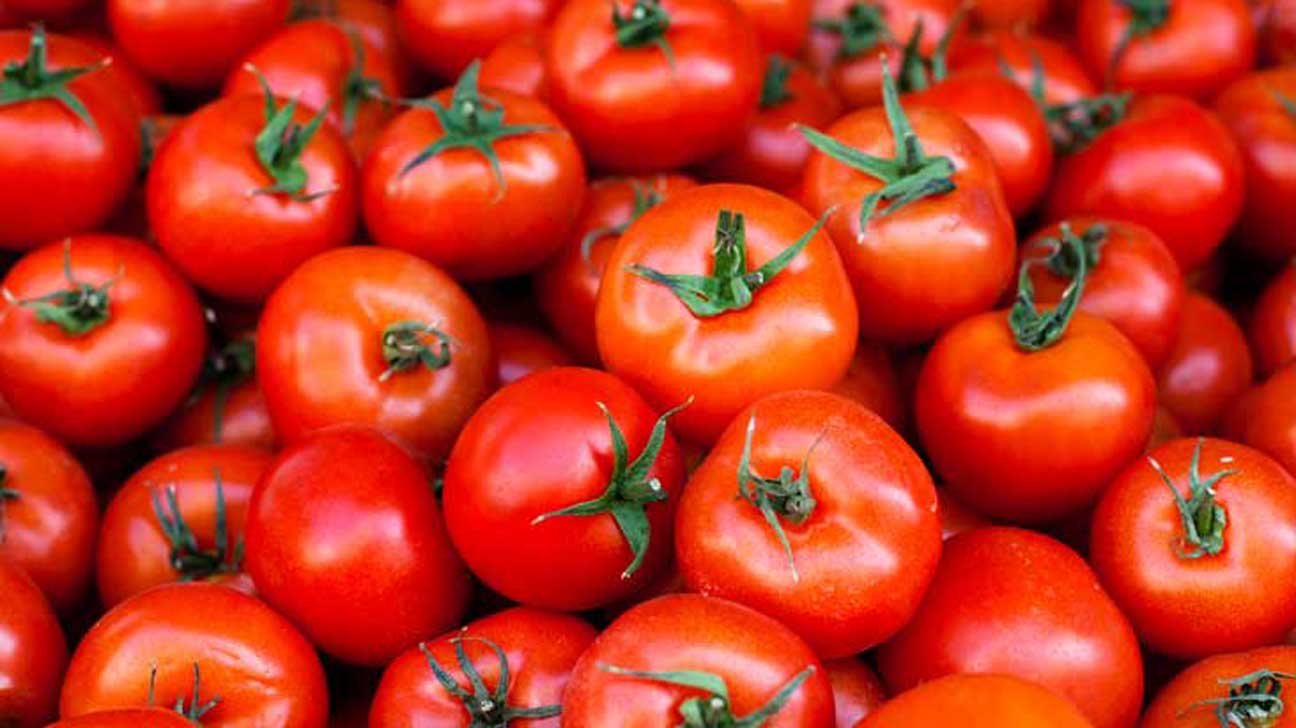
Fresh tomatoes health impacts. Though they can occasionally live longer in greenhouses, tomato plants are vines that are mostly annual and susceptible to frost. It is possible for the flowers to self-fertilize. The taste and flavor of the fruit have been diminished in modern types because they are engineered to ripen consistently crimson. There are many of varieties that differ in terms of flavor, size, color, and form. Numerous insect pests and nematodes attack tomatoes, while viruses, mildew, and blight fungi can cause illnesses.
FRESH TOMATOES HEALTH IMPACTS
Antioxidants like lycopene, vitamins C, A, and K, potassium, and fiber found in fresh tomatoes can lower the risk of cancer and heart disease, improve skin and eye health, increase immunity, help with digestion, and stabilize blood sugar by preventing free radical damage and promoting cellular function. They are an important component of a balanced diet because they are hydrating, promote bone health, and help prevent sun damage and digital eye strain.
1. Reduce cholesterol and the risk of heart disease;

FRESH TOMATOES HEALTH IMPACTS
However, Globally, heart disease is one of the main causes of death. However, a diet high in tomatoes, which are high in lycopene, has been found to help lower this risk. According to a study of 25 earlier studies, having high blood lycopene levels decreased the risk of heart disease by 14%.
2. A decreased risk of cancer;

FRESH TOMATOES HEALTH IMPACTS
Although, Consuming more tomatoes may reduce the incidence of stomach, prostate, and lung cancer, according to some research. Lycopene and beta-carotene in tomatoes are thought by researchers to lower your risk of developing cancer.
3. Defend yourself from sunburns;

FRESH TOMATOES HEALTH IMPACTS
Meanwhile, tomatoes are beneficial for your skin in addition to your internal health. People who consumed 40 grams of tomato paste with olive oil every day for 10 weeks saw 40% less sunburns, according to a research. It is thought by researchers that tomatoes’ lycopene is responsible for this UV protection.
4. Encourage the Health of the Brain;
Meanwhile, Lycopene and other antioxidants found in tomatoes may offer protection against AD, according to some research. People 70 years of age and older who consume more lycopene than others have been shown to experience a slower loss in cognitive function. To fully comprehend the potential preventive advantages of tomatoes, more human study is required, particularly on adults aged 60 to 65.
5. Stop Constipation;

However, Inadequate consumption of fiber might lead to constipation.7 Consuming tomatoes, which are high in insoluble and insoluble fiber, may remedy constipation issues.
6. Low Risk of Cancer;
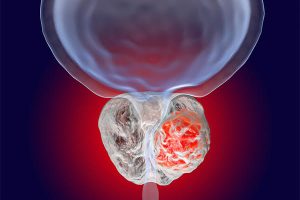
Also, Men who eat a lot of tomatoes, especially cooked ones, are less likely to get prostate cancer, according to several studies.3 Antioxidants in tomatoes called beta-carotene and lycopene may have antitumor effects. The type of DNA damage in cells that can cause cancer to form and kill off cancer cells is prevented by antioxidants. Benefits
Summary
Tomatoes, which are high in powerful antioxidants, may lower the risk of cancer and enhance heart health. You seem to be able to do anything you want with tomatoes. They are present in every aspect of our meals, from the ketchup pouring from your fries to the salsa on your chips. And, of course, a crucial part of any salad.


Pumpkin vegetables. A pumpkin belongs to the genus Cucurbita and is a cultivated winter squash. Although there is no scientific definition for the name, it is most frequently used to describe spherical, orange-colored squash types. It can be applied to a wide variety of squashes from several species in the Cucurbita genus, each with a unique appearance. “Pumpkin” is frequently used for certain cultivars of Cucurbita argyrosperma, Cucurbita ficifolia, Cucurbita maxima, Cucurbita moschata, and Cucurbita pepo. It is occasionally used interchangeably with “squash” or “winter squash.”
PUMPKIN VEGETABLES
Pumpkin is the fruit of some squash cultivars in the gourd family (Cucurbitaceae), such as Cucurbita pepo, C. moschata, and C. maxima. It is typically distinguished by a firm orange rind with characteristic grooves. Pumpkins are frequently grown for cattle feed, human consumption, and adornment.
1. Encourages Good Heart Health;

Pumpkin leaves contain a lot of soluble fiber, which lowers the absorption of cholesterol. A low cholesterol level lowers the chance of heart disease. Additionally, potassium content prevents irregular heartbeats.
2. Diminishes Rheumatoid Arthritis Signs;
Pumpkin plant leaves contain vitamin B6, which helps reduce arthritis-related joint and muscular discomfort.
3. Assist in Reducing Premenstrual Syndrome;

Pumpkin leaves, which contain manganese, can help control and lessen headaches, mood swings, irritability, and depression.
4. Maintains Dental Health;
For healthy bones and gums, phosphorus is essential. The vitamin D, calcium, and phosphorus found in pumpkin leaves are essential for the health of teeth and gums. These nutrients help maintain the mineral density of the jaw bone and the tooth enamel that keeps the tooth in place.
5. Promote Bone Strength;

PUMPKIN VEGETABLES
The leaves are rich in calcium and phosphorus, which are necessary for healthy bones. It also helps prevent tight joints and bone discomfort when taken frequently.
6. Support Colon Cancer Research;
Pumpkin leaves aid in the treatment of colon cancer. But how? Its soluble and insoluble fiber helps to facilitate bowel movements. By maintaining intestinal health, a smooth bowel movement stops the growth of malignant tumors in the colon.
7. Encourages Immune System Function;

PUMPKIN VEGETABLES
The body’s immune system is strengthened by the iron that is rich in pumpkin leaves. The body can fight off infections and a number of illnesses when its immune system is strong. Iron also aids in the healing of red blood cells, which improves the flow of oxygen throughout cells, tissues, and organs.
8. Offers Soft, Supple Skin;
About 4% of the Daily Value of Vitamin A is met by one cup, or 39 g, of pumpkin leaves. It aids in protecting the skin from pollutants and free radicals, which frequently cause damage. Additionally, because the leaves contain a lot of water, hydration is retained, resulting in soft, supple skin. Retaining moisture also helps shield the skin from some ailments.
9. Lowers the Chance of Long-Term Conditions;

PUMPKIN VEGETABLES
Important antioxidants such as beta-kryptoxanthin, beta-carotene, and alpha-carotene are found in pumpkin. It aids in preventing the harm that free radicals can cause.
Summary
Pumpkin leaves have health benefits. Almost every part of the pumpkin plant, including the fruit, seeds, leaves, and stems, is edible and has several health benefits. The delicate pumpkin leaves are often used in sour chutneys with other green leafy vegetables or as a main course savory dish.

Capable God Lyrics

Glorious God Lyrics

Ancient of Days Lyrics

A Step-by-Step Guide to Deleting Reels on Instagram

How to Create a WhatsApp Group