Food
Benefits of Soba Noodles


BENEFITS OF SOBA NOODLES
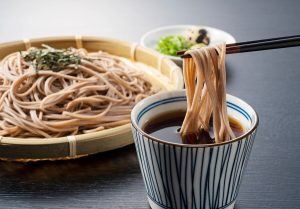
Benefits of soba noodles. For hundreds of years, soba noodles traditional Japanese noodles made from buckwheat flour have played a significant role in their national cuisine. Since white rice and wheat flour account for a large portion of Japan’s carbohydrate intake, soba (buckwheat) offers a substitute that can provide a variety of nutrients and guarantee a balanced diet. Soba is a fantastic substitute for gluten for those who cannot eat it.
BENEFITS OF SOBA NOODLES
Nutritionally speaking, a 2-ounce portion of soba noodles has about 200 calories. But unlike wheat, buckwheat has all eight essential amino acids and is also a good source of several B vitamins, such thiamine. Quercetin and rutin, vitamins, minerals, two potent antioxidants, are also abundant in these noodles.
1. Varicose veins


The influence these noodles have on cardiovascular and circulatory health—specifically, on fortifying the walls of our veins and blood vessels—is an underappreciated advantage. You can reduce your risk of atherosclerosis and defend against poor arterial integrity by doing this.
2. Protein Density
The protein in these specialty noodles may be substantial, yet a large portion of it is indigestible. Buckwheat pasta is a great way to support growth and development, which depend on amino acids from other protein sources. It does contain 6 to 8 grams of protein per 2-ounce portion.
3. Diabetes


While the glycemic load of soba noodles is not exceptionally high, it is nevertheless somewhat over whole-grain pasta. However, because soba noodles are high in fiber, they can also help control blood sugar levels, which can help reduce your chance of developing diabetes.
4. Prebiotic
Due to their impact on gut health, these noodles are regarded as prebiotics. Prebiotics are foods or supplements that nourish good microorganisms in the gut. Although there are certain stomach-related adverse effects, the advantages usually exceed the disadvantages.
5. Control of Blood Sugar
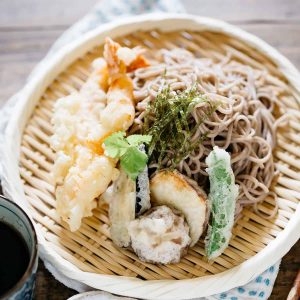

Buckwheat’s complex carbs are digested gradually, which helps control blood sugar levels and makes it a healthy option for people with metabolic syndrome.
6. Superior Protein
Because it includes all nine essential amino acids, buckwheat is regarded as a complete protein and is a great plant-based source of protein.
7. Digestive Health
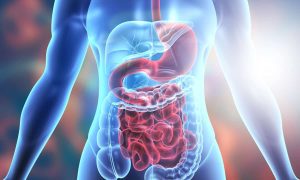

The high fiber content of soba noodles facilitates digestion, supports gut health, and makes you feel fuller—all of which can help you control your weight
8. Packed with Vitamins and Minerals
Essential minerals including manganese (which is vital for bone health and metabolism), potassium, magnesium, and B vitamins like thiamin are all found in soba.
9. Gluten-Free
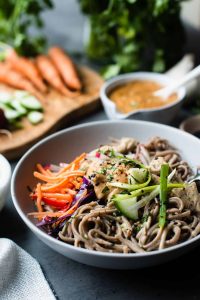

Because soba noodles are inherently gluten-free when cooked with 100% buckwheat flour, they can be consumed by those who have celiac disease or gluten intolerance.
10. Properties of Antioxidants


Antioxidants like rutin and quercetin, which are found in buckwheat, help reduce inflammation and shield the body from oxidative damage.
Summary
The thin pasta known as soba noodles is created using buckwheat flour. Although these long, brown noodles may have been first used in China thousands of years ago, they are now a mainstay of Japanese cooking. Often used in both hot and cold recipes, their chewy texture and nutty flavor complement a variety of savory preparations.