Health
Breast Lumps Causes

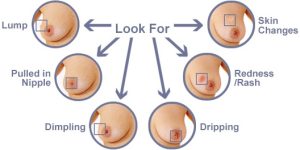

Breast lumps causes. The most common causes of breast lumps are benign (noncancerous) conditions like fluid-filled cysts, solid fibroadenomas, or fibrocystic changes brought on by hormonal changes. However, they can also result from infections (mastitis, abscesses), injuries (scar tissue, fat necrosis), or, in rare cases, breast cancer. Any new or persistent lump should be evaluated by a physician.
BREAST LUMPS CAUSES
Numerous factors, the most of which are benign, can produce breast lumps. To rule out more serious illnesses like breast cancer, it’s crucial to be watchful and have any lumps examined by a medical specialist. Maintaining breast health and identifying any possible problems early on requires routine self-examinations and mammograms, as advised by your physician.
Common Causes;


1. Fibroadenomas:
These are non-cancerous, solid lumps that are common in women under 30. Fibroadenomas are typically round, firm, and move easily under the skin. They can vary in size and may feel like a marble in the breast tissue. While they are benign, any new or unusual lump should be evaluated by a healthcare provider.
2. Cysts:
Breast cysts are fluid-filled sacs that can develop in the breast tissue. They are often soft or firm and can be tender, especially before menstruation. Cysts are usually benign and are more common in women over 40. They may fluctuate in size with your menstrual cycle.
3. Fibrocystic Changes:

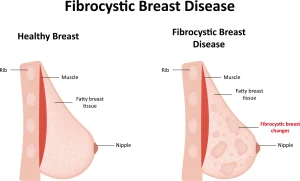
Breast lumps causes
This condition involves the development of lumps, tenderness, and discomfort in the breasts, often related to hormonal changes during the menstrual cycle. Fibrocystic changes are benign and can cause breast tissue to feel lumpy or rope-like, particularly in the upper, outer areas of the breasts.
4. Infections:
An infection in the breast, often associated with breastfeeding, can cause a painful lump. This condition, known as mastitis, can lead to swelling, redness, and warmth in the affected area. It typically requires treatment with antibiotics.
5. Breast Cancer:

Breast lumps causes
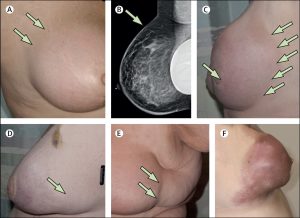
While most breast lumps are not cancerous, some can be a sign of breast cancer. Cancerous lumps are often hard, irregular in shape, and immovable, though this is not always the case. Any persistent lump or one that is accompanied by other symptoms like nipple discharge, changes in the breast skin, or changes in the size or shape of the breast should be promptly evaluated by a doctor.
When to Seek Medical Attention;

Breast lumps causes
It’s essential to have any new or unusual breast lump checked by a healthcare provider, especially if it:
– Persists for more than a few weeks.
– Feels hard or fixed in place.
– Is associated with skin changes, such as dimpling, redness, or thickening.
– Is accompanied by nipple discharge, particularly if it’s bloody or clear.
– Causes changes in the size or shape of the breast.
Early detection of breast cancer significantly improves the chances of successful treatment, so it’s crucial not to delay seeking medical advice.
Summary
Although discovering a breast lump can be frightening, it’s crucial to keep in mind that the majority of breast lumps are not cancerous. Understanding the various possible causes of breast lumps might help you seek the right care and reduce some of your concern.