Health
Bunions


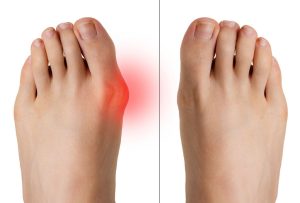
BUNIONS
Bunions. When something pulls your big toe out of its normal alignment and toward your other toes, it might cause bunions. If you find a bump near the base of your big toe, you should see a doctor. Wearing shoes that fit properly and managing any associated symptoms, like as pain and stiffness, are often the two main approaches to treating bunions.
BUNIONS
When a bunion develops at the base of your big toe, it is a bony lump. The inside edge of your big toe joint, known as the metatarsophalangeal joint, is where bunions form. The MTP joint is the point where your foot and big toe meet. Bunions are referred to as hallux valgus in medicine.
If you discover a bump on your big toe, or if you’re feeling pain, stiffness, or numbness in your toes or feet, you should see a doctor.
Types
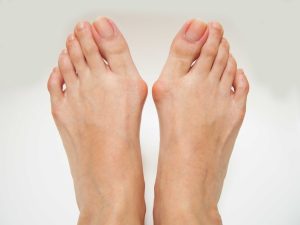

Congenital bunions, also known as congenital hallux valgus, are present in some newborns.
Individuals under the age of eighteen are susceptible to juvenile or adolescent hallux valgus, a kind of bunions.
Tailor’s bunion (bunionettes): develop near the base of your little (pinky) toe. Wearing shoes that don’t fit properly or engaging in activities that force your little toe toward your other toes are the usual causes of them.
Symptoms
The growth that develops at the base of your big toe is the most noticeable sign of a bunion. The bony lump is typically visible and palpable. Additional signs of a bunion include:
Your big toe may be painful or stiff.
Swelling.
staining or redness.
an inability to bend or move your big toe, which may cause pain or a burning sensation.
ache that worsens when wearing shoes, or difficulty wearing specific kinds of shoes.
Calluses (thickened skin) or corns.
Hammertoes are painful, constricted toe joints and tendons.
numbness in the big toe or its surroundings.
Causes


The development of bunions has multiple causes. It is believed that a number of variables, including increased motion, aberrant bone structure, shoe choice, and family history, can contribute to them. Your big toe joint may become pushed out of its natural alignment and toward your other toes if something applies excessive pressure to it for an extended period of time, usually years. Your body eventually adjusts to your toe being pushed out of its natural position, resulting in the formation of a bunion on your MTP joint.
The following are the most typical reasons why your big toe joint is under additional strain:
wearing shoes with a tight toe box or shoes that are pointy or narrow and cram your toes.
your foot mechanics, or how you walk.
Conditions that lead to inflammation
Treatment


Changes in footwear: To relieve pressure on your toes, try wearing shoes with deep, wide toe boxes. It could be possible to broaden your current shoes with a stretching equipment.
Taping and bounion pads: The area around a bunion can be relieved of pressure by using over-the-counter (OTC) bunion pads. To keep your toes in the proper position, your doctor may advise applying medical tape.
Orthopedic gadgets: Shoes that assist your feet are called orthotics. Custom-made inserts or over-the-counter orthotics may be necessary. Additionally, your healthcare practitioner may advise putting a spacer between your big toe and second toe. When you are not wearing shoes, you might need to wear a splint to keep your big toe straight.
Summary
If bunions hurt, they should be treated. To identify a bunion, you still need to consult a doctor or podiatrist, even if the remedy is as easy as switching up your footwear. Treatments that can alleviate your symptoms and enable you to resume your favorite activities will be recommended by your specialist.