Health
Carbonated drinks side effects

Carbonated drinks side effects. Soft drinks are referred to be “soft” in contrast to “hard” alcoholic and non-alcoholic beverages. Soft drinks may include small amounts of alcohol, although in many nations and regions, the alcohol concentration must be less than 0.5% of the drink’s total volume (ABV). if the beverage is not to be classified as alcoholic. Lemon-lime beverages, orange soda, cola, grape soda, cream soda, ginger ale, and root beer are a few types of soft drinks.
CARBONATED DRINKS SIDE EFFECTS
Because of their high sugar and acid content, carbonated drinks can cause serious health problems such as obesity, Type 2 diabetes, tooth enamel erosion, and fatty liver disease. Additionally, they can lead to digestive problems including gas, bloating, and GERD, and cola’s high phosphorus content can have an impact on bone density.
IT CAN CAUSE TOOTH DECAY;
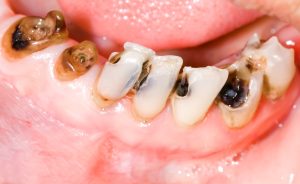

The bacteria in your mouth produce chemicals that can erode the strong enamel on your teeth as they feed on sugar. The soft, inner core of your tooth becomes visible due to enamel loss, which is when a cavity forms. When you consume fizzy soda that has been sweetened, the sugar stays in your mouth and accelerates the processes that cause tooth decay.
BELCHING AND HEARTBURN;
Carbon dioxide that has been dissolved in carbonated drinks turns into a gas in your stomach when it gets to body temperature. The accumulation of carbon dioxide gas in your stomach might induce frequent belching when you consume carbonated soft beverages. When you belch, food particles and stomach acid may enter your food pipe, giving you heartburn and a foul aftertaste
INCREASED RISK OF OBESITY


Carbonated drinks side effects
Drinking carbonated drinks with added sugar increases the number of calories in your diet and raises your risk of obesity and overweight.
Obesity and being overweight are major risk factors for osteoarthritis, heart disease, and type 2 diabetes
POOR NUTRITION;
Drinking carbonated soft drinks can negatively impact the amount of nutrients you take in overall. If you consume these drinks, you may consume less protein, carbs, dietary fiber, and vitamin B-2, or riboflavin. In comparison to people who do not drink soda, people who drink carbonated beverages also typically eat less fruit and drink less fruit juice
REDUCED BONE STRENGTH;

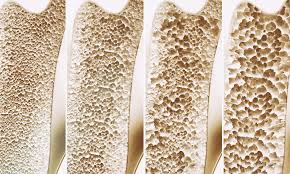
Carbonated drinks side effects
Compared to women who do not drink normal or diet cola, women who drink these beverages typically have weaker hipbones.
Effects Of Carbonation On Taste and Texture
Drink carbonation influences taste and texture in addition to adding a lovely fizz. The drink tastes lighter and more energizing because of the bubbles in it. Additionally, carbonation can add a hint of tanginess or acidity, which improves the flavor profile overall. Moreover, the carbonation can enhance the enjoyment of the drink by counterbalancing its sweetness or other qualities.
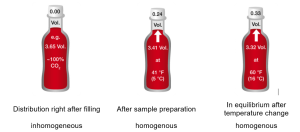
Role Of Carbon Dioxide In Carbonation;

Carbonated drinks side effects
The gas that gives carbonated drinks their magical sparkle is carbon dioxide. When carbon dioxide is dissolved in water, carbonic acid is created. When pressure is then released, carbonic acid bubbles burst. The characteristic tingle and fizz in your mouth are produced by these bubbles.
Summary
High-sugar soft drink consumption is most commonly associated with obesity, type 2 diabetes, and weight gain. Drinks, however, can also damage your teeth, raising the possibility of cavities and even visible tooth decay. When you consume soda, the sugars mix with mouth bacteria to create acid.