Health
Analysing kidney stones

Analysing kidney stones. Although the precise causes of kidney stones differ from person to person, people can take preventative action by being aware of the prevalent risk factors and contributing variables. Kidney stone formation can be prevented by addressing underlying medical disorders, eating a balanced diet, and drinking enough water. For individualized advice on preventative measures, anyone with known risk factors or a family history of kidney stones should speak with a healthcare provider. Kidney stones must be identified and treated early to avoid consequences and recurring attacks.
ANALYSING KIDNEY STONES
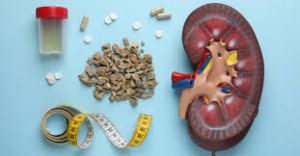
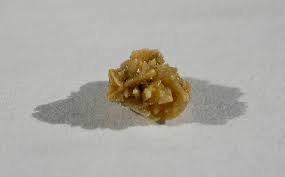
Kidney stones are solid masses formed from crystals that separate from urine and build up in the kidneys. They can range in size from a grain of sand to larger than a marble and can cause intense pain as they pass through the urinary tract. Understanding the causes of kidney stones is crucial for prevention and management. Here are some key factors:
1. Dehydration:


– Insufficient fluid intake can lead to concentrated urine, increasing the risk of crystal formation and stone development.
2. Dietary Factors:
– High intake of certain foods can contribute to kidney stone formation, including:
– Oxalate-rich foods such as spinach, nuts, chocolate, and tea.
– High-sodium diets, which can increase calcium excretion in urine.
– Animal proteins, which can increase uric acid and calcium levels in urine.
3. Genetic Factors:
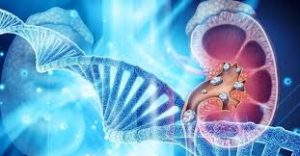

– Some individuals have a genetic predisposition to forming kidney stones. Family history of kidney stones increases the likelihood of developing them.
4. Medical Conditions:
– Certain medical conditions can increase the risk of kidney stone formation, including:
– Hypercalciuria: Excessive calcium excretion in urine.
– Hyperoxaluria: High levels of oxalate in urine.
– Hyperuricosuria: High levels of uric acid in urine.
– Cystinuria: Excessive excretion of cystine in urine.
5. Obesity:


Analysing kidney stones
– Obesity is linked to various metabolic abnormalities that can increase the risk of kidney stone formation, including insulin resistance and low urine pH.
6. Medications:

Analysing kidney stones
– Some medications can increase the risk of kidney stone formation, including diuretics, calcium-based antacids, and certain antibiotics.
7. Medical Procedures:
– Certain medical procedures, such as gastric bypass surgery or intestinal surgery, can alter the absorption of minerals and increase the risk of kidney stone formation.
8. Climate:

Analysing kidney stones
– Hot climates or environments with high temperatures can lead to increased fluid loss through sweating, contributing to dehydration and kidney stone formation.
9. Other Factors:
– Urinary tract infections (UTIs) and urinary tract obstructions can also increase the risk of kidney stone formation by altering urine composition and flow.
Summary
Kidney stone analysis is a diagnostic process used to identify the chemical makeup of stones that have been passed or surgically removed in order to help direct treatment and stop recurrence. It entails determining the mineral content of the stone (usually calcium oxalate, uric acid, or struvite) and using blood and urine tests to look for metabolic reasons.