
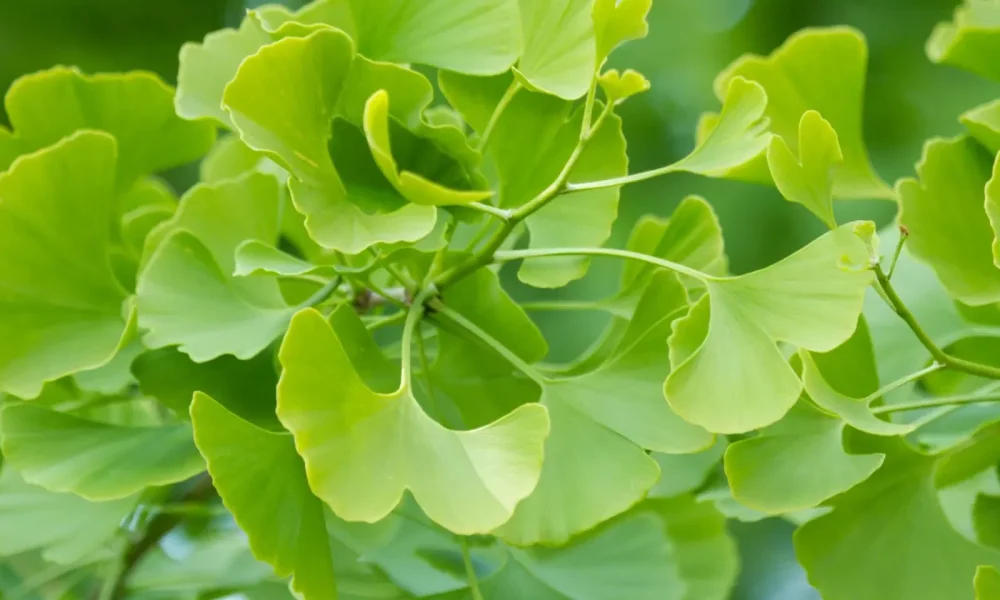
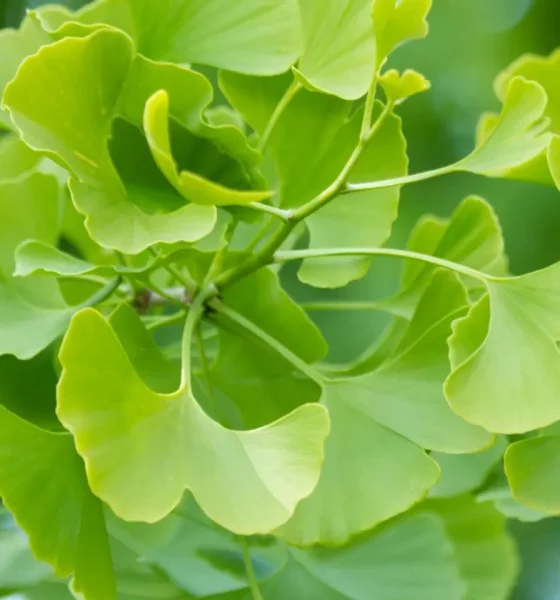
Properties of ginkgo biloba. The main characteristics of ginkgo biloba are derived from flavonoids and terpenoids, which function as strong...

Key relevance of quercetin. It is a potent flavonoid that has many health advantages, such as immune-stimulating, anti-inflammatory, and antioxidant properties. Eating foods high in quercetin...


Uses of neem leaf. The importance of neem goes much beyond its conventional medical applications. It represents a comprehensive and sustainable approach to environmental stewardship, agriculture,...
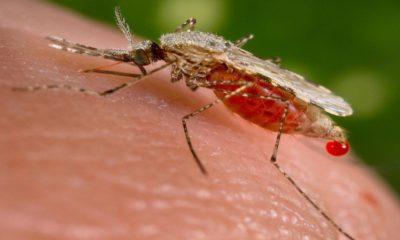

Neem leaf and malaria treatment. Neem leaves, which are derived from the Azadirachta indica tree, are used in traditional medicine for a variety of purposes, including...
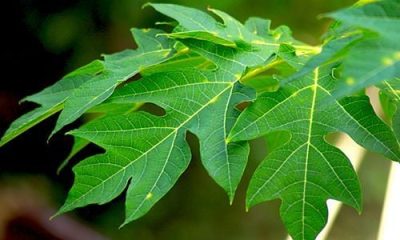

Papaya extract. The Carica papaya fruit, which is prized for its abundance of vitamins, antioxidants, and enzymes like papain, is used to make papaya extract, a...
Effective powers of chamomile. In addition to helping with digestion, lowering tension and anxiety, and soothing skin irritation, chamomile is well-known for its potent anti-inflammatory, antioxidant,...
Tarragon. The parts of it’s plant that grow above ground are used to make medicine. Some people call tarragon “mugwort,” but it’s important to distinguish it...
Sumac. Rich in color, flavor, and beneficial antioxidants, sumac is an ancient herb derived from ruby-colored berries that are pounded into a lovely, gritty powder. For...
Thyme benefits. Thyme which produces narrow stalks and small, sage-green leaves, has origins in the mint family. It is a strong, shrubby herb with a strong...
Spearmint benefits. Like peppermint, spearmint is a kind of mint. Originally from Europe and Asia, this perennial plant is now widely found growing on five continents...


