
Tips for selecting toothbrush. When nylon-bristled toothbrushes were first developed in the late 1930s, consumers had limited options when it came to toothbrush selection. The story...
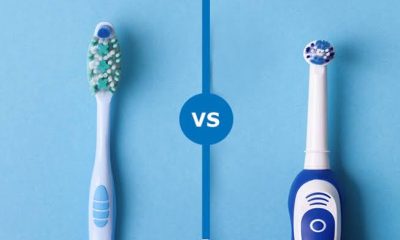

Choosing between a manual and an electric toothbrush is a common question in oral care. Both are effective at cleaning teeth when used properly, but each...


What Is Tooth Sensitivity? Tooth sensitivity is a sharp pain or discomfort in your teeth when eating hot, cold, sweet, or acidic foods. It can make...
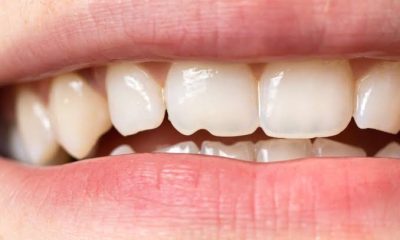

First Things First: Don’t Panic A chipped tooth can be scary, but it’s often not an emergency. Acting quickly and correctly can prevent further damage and...


The Importance of Routine Visits Many people wait until something hurts before seeing a dentist. But regular dental checkups—ideally every six months—are crucial for catching problems...
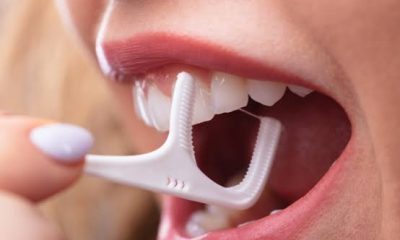

Flossing Is Non-Negotiable Brushing cleans the surface of your teeth, but it can’t reach the tight spaces between them. That’s where to floss comes in—it removes...


Hormonal Changes Increase Risk During pregnancy, hormonal changes can affect your entire body—including your mouth. Increased levels of progesterone and estrogen can cause your gums to...
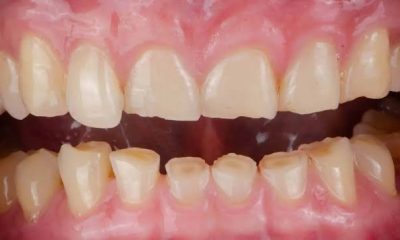

What Is Bruxism? Bruxism is the medical term for grinding or clenching your teeth, often unconsciously. It can happen while you’re awake (awake bruxism) or during...
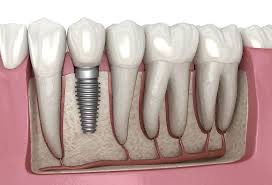

What Are Dental Implants? Dental implants are artificial tooth roots made of titanium that are surgically placed into the jawbone. Once healed, they serve as a...
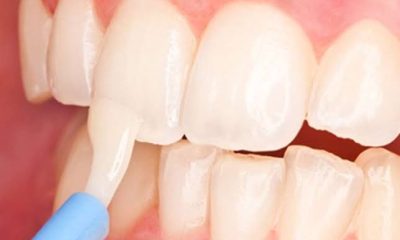

What Is Fluoride? Fluoride is a natural mineral found in water, soil, and certain foods. It plays a major role in protecting teeth by strengthening enamel...


