
Reading
Causes of Forgetting


CAUSES OF FORGETTING
Causes of forgetting, In the quest for knowledge, reading serves as a fundamental tool for absorbing information. However, despite our best intentions, we’ve all experienced the frustration of forgetting what we’ve read. Understanding the common causes behind this phenomenon is crucial for improving our reading comprehension and retention.
CAUSES OF FORGETTING
As people age, forgetfulness may be a normal part of life. However, memory loss or forgetfulness can also be caused by a number of different illnesses. People can deal with memory changes by following a few steps. As people age, they may naturally grow more forgetful. The majority of people will occasionally forget stuff as well. Certain brain regions, however, may be impacted by a number of illnesses and drugs. These components can aid in memory formation and retention.
1. Lack of Attention:
Exploring how distractions and lack of focus during reading can hinder the brain’s ability to encode information effectively, leading to forgetfulness.

2. Information Overload
Delving into the concept of cognitive overload and its impact on memory retention, highlighting the importance of pacing and digesting information in manageable chunks.
3. Lack of Rehearsal

Discussing the significance of reviewing and rehearsing material after reading to reinforce memory consolidation and prevent information from slipping away.
4. Lack of Understanding
Examining how shallow comprehension can impede memory retention, emphasizing the importance of actively engaging with the material to foster deeper understanding.
5. Lack of Connection

Exploring the role of relevance and personal connections in memory formation, and how aligning new information with existing knowledge can enhance retention.
6. Stress or Distractions:
Investigating how external factors like stress and multitasking can disrupt memory processes, and strategies for minimizing their impact on reading comprehension.
7. Lack of Sleep:
Although, highlighting the link between inadequate sleep and impaired memory consolidation, and the importance of prioritizing rest for optimal cognitive function.

8. Health Factors
Meanwhile, addressing how certain health conditions or medications can affect memory function, and when to seek professional guidance for memory-related concerns. By recognizing and addressing these common causes of forgetting what we read, we can empower ourselves to become more effective readers, retaining and applying knowledge with greater confidence and success.
How to minimize forgetting
1. Work out

Exercise may quickly improve memory function, according to research. To receive this benefit, you don’t have to spend hours at the gym or on the treadmill. The findings indicate that memory performance can be quickly improved by short, very modest exercise.
2. Make sure you get enough sleep

Also, getting enough sleep is crucial for mental and physical well-being. Although everyone has different sleep demands, people are generally advised to get seven or more hours each night.
Summary
Although forgetfulness cannot be prevented, it might be helpful to know why it happens. You can forget for a variety of reasons. In certain situations, a variety of circumstances may play a role in your inability to remember details and events. It can be simpler to implement memory-improvement techniques if you are aware of some of the elements that affect forgetting.
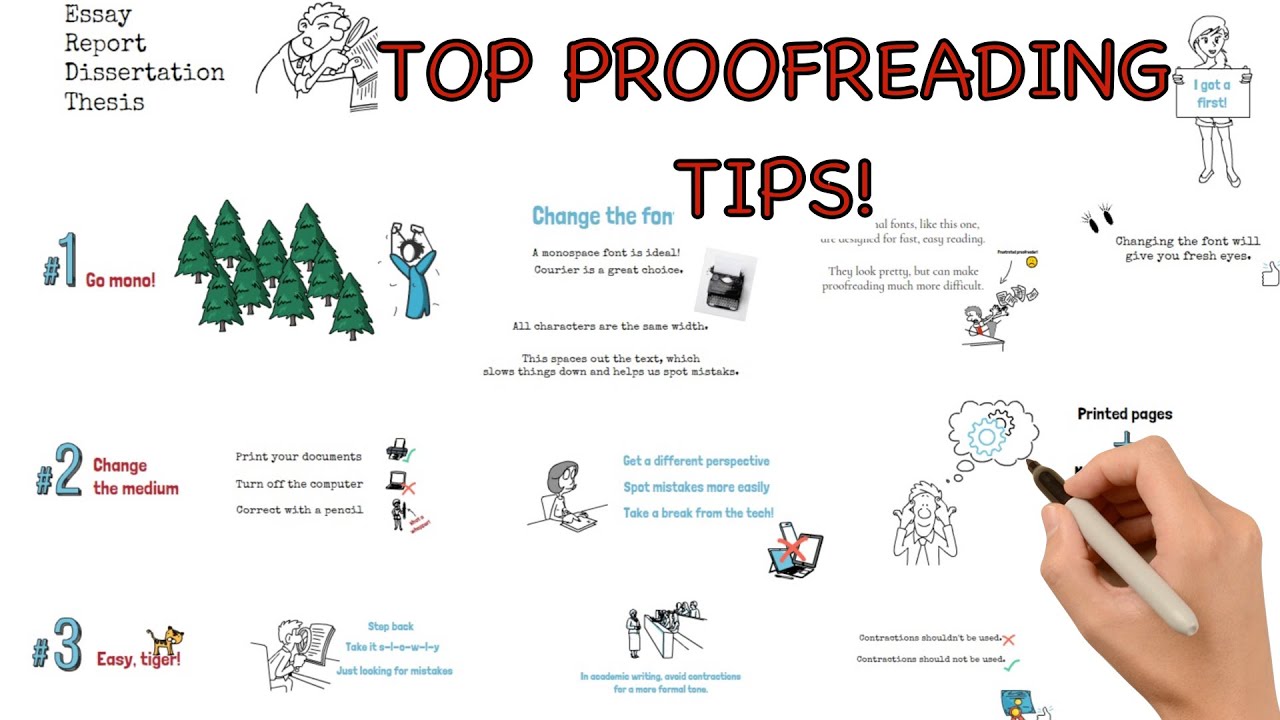
Tips for succeessful proofreading. In the field of writing and publishing, proofreading is an essential talent. A good proofreader has an excellent command of language and punctuation, a sharp eye for detail, and the capacity to carefully check written material for mistakes. This tutorial will provide you the necessary steps to become a great proofreader, regardless of whether you want to start a career as a professional proofreader or hone your proofreading abilities for personal projects.
TIPS FOR SUCCESSFUL PROOFREADING
Successful proofreading demands perseverance, practice, and a desire to lifelong learning and development. You can become an expert proofreader and start a fulfilling career in writing and publishing by honing your language abilities, practicing frequently, becoming familiar with style guides, utilizing tools and resources, and creating a portfolio.
1. Develop Strong Language Skills;

A successful proofreader must have a strong command of the language they are proofreading. This includes a solid understanding of grammar, punctuation, spelling, and style conventions. Invest time in studying grammar rules, reading widely, and expanding your vocabulary to enhance your language skills.
2. Practice Regularly;
Like any skill, Proofreading improves with practice. Set aside dedicated time to practice proofreading various types of content, such as articles, essays, reports, and marketing materials. Start with shorter pieces and gradually work your way up to longer, more complex documents.
3. Familiarize Yourself with Style Guides;

Different publications and organizations follow specific style guides, such as the Associated Press (AP) Stylebook or the Chicago Manual of Style. Familiarize yourself with these style guides and their rules to ensure consistency and accuracy in your proofreading work.
4. Use Tools and Resources;
Take advantage of proofreading tools and resources to streamline your workflow and catch errors more efficiently. Grammar checking software, spell checkers, and online style guides can help you identify and correct common mistakes. However, remember that these tools are aids and should not replace manual proofreading.
5. Develop Attention to Detail;

Successful proofreaders have a meticulous attention to detail and can spot even the smallest errors in written content. Train yourself to review text word by word, line by line, and pay close attention to spelling, punctuation, formatting, and overall coherence.
6. Learn to Edit and Provide Constructive Feedback;
In addition to spotting errors, a successful proofreader should also be able to edit content for clarity, coherence, and consistency. Learn how to provide constructive feedback to writers, suggesting revisions and improvements to enhance the quality of the content.
7. Build a Portfolio;

Tips for successful proofreading
As you gain experience and confidence in your proofreading skills, start building a portfolio of your work. Include samples of documents you have proofread, along with any testimonials or recommendations from satisfied clients or employers. A strong portfolio will showcase your abilities and help you attract new clients or employment opportunities.
8. Network and Seek Feedback;
Networking with other professionals in the writing and publishing industry can open doors to new opportunities and provide valuable feedback on your work. Join online forums, attend industry events, and participate in networking groups to connect with fellow proofreaders and potential clients.
9. Stay Updated;

Tips for successful proofreading
The writing and publishing industry is constantly evolving, with new technologies, trends, and style conventions emerging regularly. Stay updated on industry news, developments in language usage, and changes to style guides to ensure your skills remain relevant and up-to-date.
Summary
The last step in polishing your writing is proofreading, which focuses on identifying typos, formatting problems, and grammatical errors. Make sure your writing is perfect by keeping proofreading and writing/editing distinct, letting your manuscript sit for a day, and reading the text aloud to identify any missing words.

Tips for successful proofreading. It takes skill, perseverance, and a devotion to ongoing development to become a professional proofreader. You can become a reputable and sought-after proofreader by honing your language skills, paying close attention to detail, becoming familiar with style guides, becoming proficient with proofreading tools, practicing frequently, developing effective communication skills, and remaining current and flexible.
TIPS FOR SUCCESSFUL PROOFREADING
Proofreading plays a crucial role in ensuring the accuracy, clarity, and professionalism of written content. From manuscripts and academic papers to websites and marketing materials, the demand for skilled proofreaders continues to grow in various industries. If you have a keen eye for detail, a passion for language, and a commitment to excellence, embarking on a career as a proofreader may be the perfect fit for you. This article serves as a comprehensive guide to help you navigate the path to becoming a successful proofreader.
1. Develop Strong Language Skills:

A solid foundation in grammar, punctuation, spelling, and syntax is essential for effective proofreading. Enhance your language skills through formal education, self-study, and continuous practice. Invest time in reading widely across different genres and styles to familiarize yourself with various writing conventions and language nuances.
2. Hone Your Attention to Detail:
Becoming a successful proofreader or in Proofreading, it requires meticulous attention to detail to identify and correct errors in written content. Train yourself to spot inconsistencies, typos, and grammatical mistakes by reviewing texts systematically and methodically. Develop a systematic approach to proofreading, focusing on one aspect of the text at a time to ensure thoroughness and accuracy.
3. Familiarize Yourself with Style Guides:

Different industries and publications adhere to specific style guides and formatting conventions. Familiarize yourself with popular style guides such as the Chicago Manual of Style, AP Stylebook, and MLA Handbook, depending on the type of content you’ll be proofreading. Understand the rules and guidelines for punctuation, capitalization, citation formats, and other stylistic elements relevant to your field.
4. Acquire Proficiency in Proofreading Tools:
Utilize proofreading tools and software to streamline your workflow and enhance your efficiency as a proofreader. Invest in reputable proofreading software such as Grammarly, ProWritingAid, or Hemingway Editor to help identify spelling errors, grammatical mistakes, and style inconsistencies. While these tools can be invaluable aids, always rely on your judgment and expertise to make final editing decisions.
5. Practice Regularly:

Tips for successful proofreading
Like any skill, proofreading improves with practice and repetition. Seek out opportunities to proofread a variety of texts, including articles, essays, reports, and marketing materials. Offer your services to friends, colleagues, or online platforms to gain experience and build your portfolio. Analyze feedback from clients or mentors to identify areas for improvement and refine your proofreading skills over time.
6. Develop Effective Communication Skills:
Effective communication is key when working with clients, authors, or editors. Clearly articulate your proofreading process, discuss project timelines and expectations, and provide constructive feedback in a professional and courteous manner. Cultivate strong interpersonal skills to establish trust and rapport with clients, fostering long-term relationships and repeat business.
7. Stay Updated and Adapt:
Tips for successful proofreading
The publishing industry and language conventions are constantly evolving, so it’s essential to stay updated on industry trends, emerging technologies, and changes in language usage. Attend workshops, webinars, and conferences to expand your knowledge and network with fellow proofreaders and industry professionals. Adapt to new tools, techniques, and client preferences to remain competitive in the ever-changing landscape of proofreading.
Summary
To identify problematic language, read your content aloud. You can also trick your brain into concentrating on mechanics rather than meaning by proofreading word by word backwards.

Active reading tips. By interacting actively with the text through annotation, questioning, and summarizing, active reading strategies enhance comprehension and memory. Highlighting important points, making margin notes, outlining, and applying the SQ3R approach (Survey, Question, Read, Recite, Review) are important tactics. These techniques turn passive reading into an interactive, critical activity.
ACTIVE READING TIPS
Reading involves more than just digesting words; it also involves comprehending, evaluating, and remembering information. Whether you’re reading a complex textbook, a thought-provoking article, or an engrossing novel, using efficient reading techniques will greatly improve your understanding and recall. The following five techniques can help you become an expert reader:
1. Active Reading:

active reading tips
Instead of passively scanning the text, actively engage with it. Ask yourself questions about the material, make connections to your own experiences or other texts, and critically evaluate the information presented. Actively reading involves being mentally present and continuously interacting with the text, which leads to deeper understanding and better retention.
2. Previewing:
Before diving into the details, take a moment to preview the material. Skim through the text to get a sense of its structure, noting headings, subheadings, and any bolded or italicized text. Previewing helps you create a mental roadmap of the content, making it easier to navigate and understand as you delve deeper.
3. Annotating:

active reading tips
Don’t be afraid to mark up the text. Annotating involves highlighting key passages, jotting down notes in the margins, or using sticky notes to capture important points. These annotations serve as visual cues that can help reinforce understanding, facilitate review, and spark further insights when revisiting the text later on.
4. Summarizing:
After reading each section or chapter, take a moment to summarize the main ideas in your own words. This act of summarization not only reinforces your understanding of the material but also helps you identify the most crucial points. Summaries can be in written form, verbal recaps, or even mental rehearsals, whatever works best for you to solidify the key concepts in your mind.
5. Reflecting:

Reading shouldn’t end when you reach the last page; it should continue through reflection. Take time to reflect on what you’ve read, considering its relevance, implications, and how it fits into the broader context of your knowledge or experiences. Reflecting allows you to extract deeper meaning from the text and encourages critical thinking and synthesis of ideas.
Summary
By incorporating these five strategies into your reading routine, you can transform reading from a passive activity into an active and enriching experience. Whether you’re studying for an exam, researching a topic, or simply enjoying a good book, mastering effective reading techniques will not only enhance your comprehension and retention but also deepen your appreciation for the written word. So, grab a book, engage your mind, and embark on a journey of discovery through the power of effective reading.

Nivea body wash for men

Business maintenance

Athlete conviction of murder

A Step-by-Step Guide to Deleting Reels on Instagram

A Comprehensive Guide to Setting Up a YouTube Premiere

How to Create a WhatsApp Group
-

 Health4 weeks ago
Carbonated drinks side effects
-

 Business4 weeks ago
Smart ideas for business startups
-

 Deodorants3 weeks ago
Reviewing tom ford oud
-

 Deodorants4 weeks ago
Reasons for wearing deodorants
-

 Deodorants4 weeks ago
Review for saint laurent black
-

 Deodorants3 weeks ago
Varieties of perfumes for men