Health
Cholesterol and Natural Herbs



Cholesterol and natural herbs. Even while natural herbs have their uses, it’s best to speak with a doctor before adding them to your regimen, particularly if you have underlying medical issues or are taking medication. Herbal supplements may not be appropriate for everyone and may interfere with pharmaceuticals. Crucial elements of cholesterol management also include keeping a healthy weight, exercising frequently, and concentrating on a balanced diet.Including these natural herbs in a heart-healthy lifestyle may help decrease cholesterol levels even more. and encouraging cardiovascular health in general. People can take proactive measures for improved heart health naturally by combining these herbs with a healthy diet and frequent exercise.
CHOLESTEROL AND NATURAL HERBS
Fenugreek, garlic, and artichokes are among the natural herbs that may help decrease cholesterol; turmeric, ginger, and holy basil are all associated with certain health advantages. Green tea, beets, and psyllium husk are other natural options to think about because they are high in fiber and healthy components. Before making dietary adjustments or utilizing herbs to treat medical disorders, always get medical advice because they may not work for everyone and can interfere with drugs.
1. Garlic;
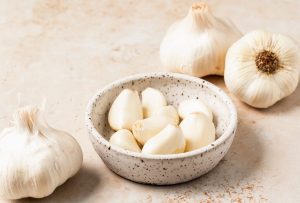

Garlic has been revered for its medicinal properties for centuries. It contains compounds like allicin and sulfur compounds that may help lowers cholesterol levels and prevent plaque buildup in arteries. Studies suggest that regular consumption of garlic, whether raw, cooked, or as a supplement, can modestly reduce total cholesterols and triglyceride levels.
2. Turmeric;

CHOLESTEROL AND NATURAL HERBS
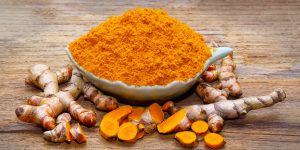
Known for its vibrant yellow color and culinary uses, turmeric is also valued for its anti-inflammatory and antioxidant properties. Curcumin, the active compound in turmeric, has been studied for its potential to lower LDL (bad) cholesterol levels and increase HDL (good) cholesterols. Adding turmeric to dishes or taking supplements may offer cardiovascular benefits.
3. Ginger;

CHOLESTEROL AND NATURAL HERBS
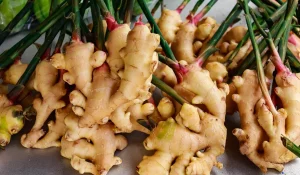
Ginger is another herb with potent anti-inflammatory effects. It contains gingerol and other bioactive compounds that may contribute to lowering cholesterols level. Research suggests that ginger may help reduce total cholesterol, LDL cholesterols, and triglycerides while increasing HDL cholesterol. Consuming ginger as a tea, in cooking, or in supplement form can be beneficial.
4. Cinnamon;

CHOLESTEROL AND NATURAL HERBS
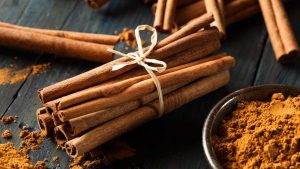
Cinnamon is not only a flavorful spice but also a potential ally in cholesterol management. Studies indicate that cinnamon can reduce total cholesterol, LDL cholesterols, and triglyceride levels in individuals with high cholesterol. Cinnamon can be sprinkled on foods, added to beverages, or taken as a supplement to harness its cholesterol’s-lowering benefits.
5. Fenugreek;
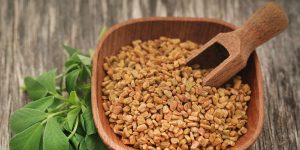

The seeds have been used in traditional medicine for their various health benefits, including cholesterol’s reduction. Fenugreek contains soluble fiber, which can help lower LDL cholesterol’s levels by preventing its absorption in the intestines. Additionally, fenugreek seeds may reduce triglycerides and increase HDL cholesterol. Consuming fenugreek seeds soaked in water, as a supplement, or as part of culinary dishes can aid in managing cholesterol levels.
Summary
Since high cholesterol is a major risk factor for cardiovascular disease, it is imperative that it be properly managed. Despite the fact that doctors frequently recommend medications, certain natural herbs have shown promise in lowering cholesterol when paired with a healthy diet and lifestyle.