Protein
Collagens Roles in the Body

Collagens Roles in the Body. These are an essential protein that keeps your body robust and healthy, not just a fad supplement. Adding foods or supplements high in collagen to your diet can have significant advantages, whether you’re trying to improve the look of your skin, strengthen your joints, or preserve general vitality.
COLLAGENS ROLES IN THE BODY
Collagens has gained popularity as an ingredient in supplements and beauty products, but its advantages go far beyond improving your appearance. Collagen, the most prevalent protein in the human body, is necessary to keep your skin, hair, nails, and joints strong and structurally sound.
What are Collagens?


Collagen is a protein made up of amino acids, primarily glycine, proline, and hydroxyproline. It acts like a scaffold that holds your body together, providing structure and elasticity to your skin, strength to your bones, and flexibility to your joints. There are several types of collagen, but the most common ones in the body are Type I, II, and III, each serving different functions.
The Role of it in the Body;
– Skin Health: Collagens helps keep your skin firm, smooth, and hydrated. As you age, your body produces less collagen, leading to wrinkles and sagging skin. Supplementing with collagen can help slow this process, promoting a more youthful appearance.
– Joint Support:


Collagens Roles in the Body
Collagen is a key component of cartilage, the tissue that cushions your joints. Over time, collagen levels decrease, which can contribute to joint discomfort and stiffness. Taking collagen supplements may help reduce these symptoms and improve joint health.
– Hair and Nail Strength: Collagen supports the structure of your hair and nails, making them stronger and less prone to breakage.
– Bone Health: Collagen provides the framework for bones, making them strong yet flexible. As we age, bone density decreases, but collagen supplementation can help maintain bone strength.
How to Boost Collagen Production;

Collagens Roles in the Body
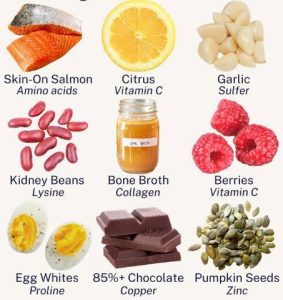
While your body naturally produces collagen, its production declines with age. However, you can boost collagen levels through diet and supplementation. Foods rich in collagen-building nutrients include bone broth, chicken, fish, and egg whites. Vitamin C is also crucial for collagen synthesis, so be sure to eat plenty of fruits and vegetables like oranges, berries, and leafy greens.
Supplements, often in the form of powders, capsules, or drinks, are also available and have been shown to improve skin elasticity, reduce wrinkles, and alleviate joint pain.
Summary
The most prevalent protein in your body is collagen. Your skin, bones, muscles, tendons, blood vessels, and organs are all strengthened, shaped, and supported by it, much like glue.