Health
Concussions


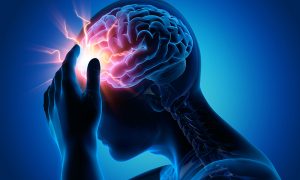
CONCUSSIONS
Concussions. Injuries like concussions are frequent, particularly among young athletes. The majority of people heal without any lasting consequences, but it’s crucial to take your time. Don’t start exercising or doing other things again before your doctor gives the all-clear. A head injury that momentarily impairs brain function is frequently referred to as a mild traumatic brain injury.
CONCUSSIONS
It is brought on by a head injury or shock that causes the brain to move quickly inside the skull. Although they are typically not fatal, concussions can have a variety of symptoms and, if left untreated, can have long-term consequences.
Symptoms


Your brain’s blood vessels and nerves are stretched and damaged during a concussion. They result in chemical alterations that momentarily impair normal brain function. After an injury, your brain will instinctively focus all of its energy on self-healing. Your body will get messages telling you to slow down and refrain from certain activities. That is the source of concussion symptoms. They are a signal from your brain to rest as it recovers.
physical form.
Cognitive function (the way your brain functions and how you think).
Sleep.
feelings and emotions.
Causes
When your body is shaken or jolted, you can get a concussion. Strong enough forces have the potential to cause damage to your brain by causing it to move side to side or back and forth. You have mushy, spongy brain tissue. It is encased in cerebrospinal fluid, which serves as a liquid cushion between your skull and it. Imagine a bowl of gelatin in a glass. Should you strike the bowl with sufficient force, the energy will travel through the glass and cause the gelatin to jitter. A concussion is the result of that energy transfer. A powerful force strikes your head, neck, or body, travels through your skull, and causes your brain to tremble or wriggle.
Treatment


The most crucial aspect of concussion treatment, particularly in the early stages, is rest. Your body and brain require time to recover. All strenuous physical activity, particularly the sport or activity that resulted in the concussion, should be discontinued. The majority require a few days or more of inactivity. However, each person has distinct demands, and their brains repair at various rates. When it’s safe to gradually resume physically or mentally taxing tasks, your healthcare practitioner will advise you on how long to relax. Learn to identify the factors that can cause symptoms of a concussion. Reintroduce little, gradual activities into your regular schedule. Take a step back and rest when symptoms appear. After you recover, you can try the action once more.
Prevention


Unexpected injuries are known as concussions. You may not be able to stop one every time because you can’t prepare for them. You may lower your risk by following these general safety tips:
Wear the appropriate safety gear for all sports and activities, including protective headgear like helmets.
Put on your seatbelt at all times.
Clear your workstation and house of any clutter that can trip you or others.
Always reach things at home with the right tools or equipment. Never stand on tables, chairs, or worktops.
Summary
You are the only one with your own body and intellect. This implies that your experience and recuperation from a concussion will also be affected. Recovery doesn’t always proceed as planned; at certain points, it may take longer than anticipated. Throughout your recuperation, be truthful with both yourself and your medical professionals.