Health
Controlling Blood Sugar Levels

Controlling blood sugar levels. One of the most important aspects of supporting general health is understanding and maintaining optimal blood sugar levels. You may help maintain stable blood sugar levels and long-term wellbeing by leading a balanced lifestyle, making thoughtful food choices, and engaging in regular physical activity. For individualized counsel and direction, it’s crucial to speak with a healthcare provider if you have particular health issues or blood sugar-related diseases.
CONTROLLING BLOOD SUGAR LEVELS
Maintaining a healthy, regular diet high in fiber (vegetables, whole grains), exercising moderately for at least 150 minutes each week, and drinking plenty of water are all necessary for effective blood sugar control. To prevent insulin resistance, key tactics include controlling stress, regulating carbohydrate intake, decreasing 5-7% of body weight if necessary, and obtaining enough sleep.
What is Blood Sugar?
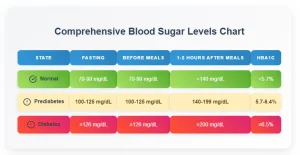

Blood sugar, or glucose, is the primary source of energy for our bodies. It comes from the food we eat, especially carbohydrates. When we consume food, the body breaks down carbohydrates into glucose, which then enters the bloodstream.
Maintaining blood sugar balance is vital for several reasons:
1. Energy Regulation:
Balanced blood sugar levels ensure a steady supply of energy for the body’s functions, preventing energy crashes and fatigue.
2. Mood Stability:


Fluctuations in blood sugar can affect mood and contribute to irritability or mood swings.
3. Weight Management:
Stable blood sugar levels play a role in managing cravings and preventing overeating, supporting weight management goals.


For individuals with diabetes, careful monitoring and control of blood sugar levels are critical to prevent complications.
Tips for Healthy Blood Sugar Levels:
1. Balanced Diet:
Opt for a balanced diet rich in whole grains, lean proteins, healthy fats, and plenty of fruits and vegetables.
2. Regular Meals:


controlling blood sugar levels
Eating regular, well-proportioned meals and snacks helps maintain stable blood sugar levels throughout the day.
3. Fiber-Rich Foods:
Include fiber in your diet from sources like whole grains, legumes, and vegetables, as it slows the absorption of glucose.
4. Hydration:


Staying hydrated supports overall health and can help control appetite and blood sugar levels.
5. Physical Activity:
Regular exercise enhances insulin sensitivity, aiding in the regulation of blood sugar. Aim for a combination of aerobic and strength-training exercises.
6. Limit Sugary Foods:


controlling blood sugar levels
Minimize the consumption of sugary snacks and beverages, as they can cause rapid spikes and crashes in blood sugar levels.
7. Monitor and Test:
Individuals with diabetes should consistently monitor blood sugar levels as advised by their healthcare providers.
stay tuned for more updates.
Summary
For general health and wellbeing, it is essential to comprehend blood sugar levels. Knowing how to control blood sugar is crucial, whether you’re treating diabetes or just trying to be as healthy as possible. This article will define blood sugar, discuss the significance of preserving equilibrium, and offer helpful advice for reaching and maintaining normal blood sugar levels.