Food
Couscous


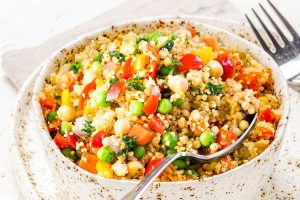
COUSCOUS
Couscous. A common side dish in North African cultures is couscous. In essence, semolina flour is used to make the little pasta balls. The couscous you buy at the grocery store in North America is already cooked and dried, making it easy to make. Like bread and other wheat-based foods, it has a neutral flavor. You can purchase whole-wheat or refined couscous, as well as those made with barley and spelt. Compared to the more popular variety, Israeli couscous, often known as pearl, is larger and requires more time to prepare. Though they are frequently not whole wheat, couscous is occasionally offered in pre-seasoned and quick containers.
COUSCOUS
Fiber can be found in whole-grain couscous. Fiber has several health benefits. It can prolong feelings of fullness and prevent blood sugar spikes. Additionally, it can help lower cholesterol, which lowers the risk of heart disease.
Fiber can help avoid constipation because it facilitates the rapid passage of food through your digestive system. Additionally, eating more fiber can reduce your risk of breast and colon cancer.
1. where selenium comes from
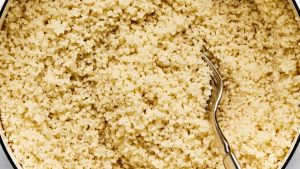

Selenium, which supports the immune system, is one of the many vitamins and minerals that may be found in couscous. This vital mineral has anti-oxidant properties and is crucial for thyroid hormone synthesis and function.
2. Plant-based protein source
With about 7g per 100g (cooked weight), couscous is a good source of protein even though it isn’t a complete protein. It’s a helpful addition to a plant-based diet, which may reduce the risk of diseases including cancer, heart disease, and stroke.
3. Fiber’s source


Although it contains fiber, it’s best to look for wholemeal, which is made from the entire grain, to maximize your fiber intake. In addition to promoting digestive health and reducing constipation, fiber may also help increase the number of good bacteria in the stomach, according to study. Because the fiber slows down the digestion of sugar into the bloodstream, wholemeal couscous provides a more consistent source of energy and is therefore more full.
4. A more nutritious substitute for white rice


Compared to an identical piece of white rice, it offers more protein and a higher supply of vitamins and minerals.
5. wholesome fast food
Making it is quick and simple. It only requires the addition of boiling water or stock to rehydrate because the couscous found in the majority of supermarkets has already been steamed before being dried. After that, it can be served as a side dish with vegetables, fish, or meat or added to salads.
6. Boost Your Muscle Mass


As a necessary component of protein metabolism and muscle growth, selenium plays a significant role in building muscle mass. According to studies, a lack of selenium is a primary contributor to abnormal fatigue, overall body weakness, and muscular weakness and degeneration. Therefore, couscous may be one of the finest ways to increase your muscle mass because selenium is a nutrient that is quite hard to obtain naturally!
Summary
Northern African civilizations traditionally eat it, which is made out of tiny balls of semolina or durum wheat flour. Frequently confused with a grain, this dough is actually used to make a variety of pastas. All you have to do to make couscous is add hot water to these little balls and allow them to fluff out into a more substantial meal.