Health
Deep breathing relevance

Deep breathing relevance. Introducing the profound practice of deep breathing, a straightforward but effective method that can uncover a plethora of health advantages. The practice of deep breathing can lead to a happier, more balanced existence by lowering stress and anxiety, increasing focus, and improving the quality of sleep. In this investigation, we explore seven noteworthy benefits of adopting deep breathing into your everyday routine and reveal how it may improve your body and mind. Come along with us as we set out to explore the tremendous effects of mindful breathing on general wellbeing.
DEEP BREATHING RELEVANCE
Diaphragmatic breathing, often known as deep breathing, is a potent and easily accessible technique that lowers blood pressure, slows heart rate, and reduces stress by activating the parasympathetic nerve system, sometimes known as the “rest and digest” system. It is an essential tool for both short-term relaxation and long-term wellness since it improves brain clarity by boosting oxygen flow, lowering anxiety, and relaxing physical tension.
Deep breathing has numerous benefits, including:


1. Stress Reduction: Deep breathing triggers the relaxation response, reducing stress levels.
2. Improved Oxygen Flow: Enhances oxygen delivery to the brain and body, boosting overall energy levels.
3. Better Sleep: Deep breathings can promote relaxation, leading to improved sleep quality.


Deep breathing relevance
4. Enhanced Focus: Increases oxygenation to the brain, improving concentration and cognitive function.
5. Lower Blood Pressure: Helps to regulate blood pressure by inducing relaxation and reducing tension.
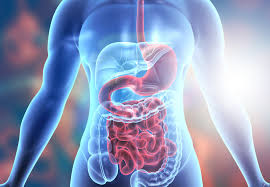
6. Improved Digestion: Deep breathings can stimulate the parasympathetic nervous system, aiding digestion.

Deep breathing relevance
7. Emotional Regulation: Deep breathings technique can help manage emotions and promote a sense of calmness.
Summary
The respiratory system, which consists of the lungs, diaphragm, and airways, controls breathing, which is the essential, rhythmic act of taking in oxygen and expelling carbon dioxide. The diaphragm contracts and descends during inhalation to allow air to fill the lungs; during expiration, it relaxes to release air. It makes it possible for vital gas exchange to sustain life.