Food
Dietary Instructions


Dietary instructions. The term “diet” refers to the foods and beverages you regularly eat, but it also frequently refers to a particular eating plan for weight management or health, emphasizing nutrient-dense options like fruits, vegetables, whole grains, and lean proteins while limiting unhealthy fats, sugar, and salt for improved mood, energy, and disease prevention. Maintaining hydration, regulating portion sizes, balancing nutrients from all food categories, and making small adjustments like cooking more frequently at home are all essential elements of a healthy diet.
DIETARY INSTRUCTIONS
Eating the right number of calories for your activity level and balancing your energy intake and expenditure are crucial components of a balanced diet. You will gain weight if you eat more calories than your body needs since the extra energy is stored as fat. You will lose weight if you eat and drink too little. To guarantee that your diet is balanced and that your body gets all the nutrients it requires, you should also consume a variety of meals. Men should consume about 2,500 calories every day. Approximately 2,000 calories should be consumed daily by women.
Tips for Healthy Eating;

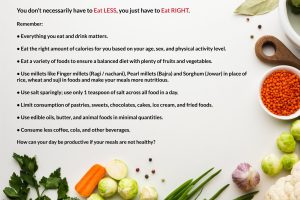
Dietary instructions
1. Base your meals on high-fiber, starchy carbohydrates. Starchy carbohydrates should account for slightly more than one-third of your diet. They include potatoes, bread, rice, pasta, and cereal. Choose high-fiber or wholegrain options such as whole wheat pasta, brown rice, or potatoes with the skins on.
2. Eat plenty of fruits and vegetables. It is advised that you consume at least 5 servings of a variety of fruits and vegetables each day. They may be fresh, frozen, canned, dried, or juiced.
3. Eat more fish, including some oily fish. Fish is a high-protein food that also contains numerous vitamins and minerals.


Dietary instructions
4. Reduce saturated fat and sugar. Saturated fat. You need fat in your diet, but you must be careful about how much and what sort of fat you consume.
5. Consume less salt: no more than 6 g per day for adults. Eating too much salt might cause high blood pressure. People with high blood pressure are more prone to develop heart disease or experience a stroke. 6. Become active and maintain a healthy weight. In addition to eating correctly, frequent exercise may help lower your risk of developing major health disorders. It is also beneficial to your general health and well-being. dietary-guidelines@fao.org
Summary
In order to promote health and prevent disease, dietary guidelines emphasize balancing food groups like fruits, vegetables, whole grains, proteins, and dairy while limiting fats, sugar, and salt. These guidelines are often visualized through food pyramids or plates and customized to individual needs and cultures. General recommendations include staying hydrated, controlling portion sizes, and choosing whole foods over processed ones.