Health
Elbow Tendinitis

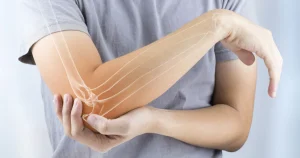

Elbow tendinitis. Inflammation and pain in the tendons that connect the forearm muscles to the elbow bone are symptoms of elbow tendonitis, an overuse ailment. Lateral epicondylitis, which affects the outside elbow, and medial epicondylitis, which affects the inner elbow, are the two primary forms. Rest, painkillers, and physical therapy can help control the symptoms, which include discomfort, tenderness, weakness, and occasionally a diminished grip strength. However, more intensive treatment may be necessary in severe situations.
ELBOW TENDINITIS
Repetitive strain and incorrect technique can lead to elbow tendinitis, a common but treatable ailment. People can effectively manage pain and encourage recovery by comprehending the causes and putting the right solutions into practice. In order to lower the chance of recurrence and maintain the long-term health of the tendon, preventive steps are essential. For individualized treatment and recovery programs, speaking with a healthcare provider is crucial if symptoms continue to occur.
Causes of Elbow Tendinitis;
1. Repetitive Motion:


ELBOW TENDINITIS
• Activities that involve repetitive wrist and arm movements, such as tennis, golf, painting, typing, or carpentry, can lead to tendinitis. The constant strain on the tendons causes small tears, leading to inflammation.
2. Improper Technique:

ELBOW TENDINITIS
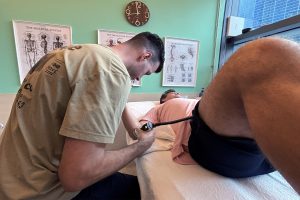
• Using incorrect techniques while playing sports or performing tasks can place undue stress on the elbow tendons. For example, a poor backhand technique in tennis can contribute to tennis elbow.
3. Age:
• Tendons naturally lose elasticity and become more prone to injury as we age. Elbow tendinitis is most common in adults between the ages of 30 and 50.
4. Direct Injury:


ELBOW TENDINITIS
• A direct blow to the elbow or sudden heavy lifting can cause acute tendinitis.
Remedies for Elbow Tendinitis;
Effective management and treatment of elbow tendinitis involve a combination of self-care, medical treatments, and preventive measures. Here are some recommended remedies:
1. Rest and Activity Modification:

• Resting the affected arm and avoiding activities that exacerbate the pain is crucial. Modify or reduce the activities that led to the condition to allow the tendons to heal.
2. Ice Therapy:
• Applying ice packs to the elbow for 15-20 minutes several times a day can help reduce inflammation and alleviate pain.
3. Compression and Elevation:


• Using an elbow brace or compression bandage can provide support and reduce strain on the tendons. Elevating the arm can also help minimize swelling.
4. Medications:
• Over-the-counter nonsteroidal anti-inflammatory drugs (NSAIDs), such as ibuprofen or aspirin, can help reduce pain and inflammation. In severe cases, a doctor may prescribe stronger medications or corticosteroid injections.
5. Physical Therapy:


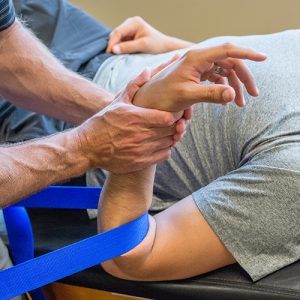
• A physical therapist can provide specific exercises to strengthen the forearm muscles, improve flexibility, and promote tendon healing. Stretching and strengthening exercises are critical for recovery and preventing recurrence.
Preventive Measures;


To prevent elbow tendinitis, consider the following preventive measures:
– Proper Technique: Learn and use proper techniques for sports and repetitive tasks to reduce tendon strain.
– Strengthening Exercises: Regularly perform exercises to strengthen the forearm muscles and improve flexibility.
– Warm-Up and Stretching: Always warm up before engaging in physical activities and stretch the forearm muscles to prepare them for use.
– Ergonomic Equipment: Use ergonomic tools and equipment to reduce strain on the elbow during work and recreational activities.
– Gradual Increase in Activity: Gradually increase the intensity and duration of activities to avoid sudden stress on the tendons.
Summary
Tennis elbow, also known as golfer’s elbow or elbow tendinitis, is an inflammation or irritation of the elbow’s tendons. This disorder can restrict the affected arm’s range of motion and produce excruciating discomfort. Effective treatment and recuperation of elbow tendonitis depend on knowing its causes and treatments.