Food
Essential Benefits of Fatty Acids

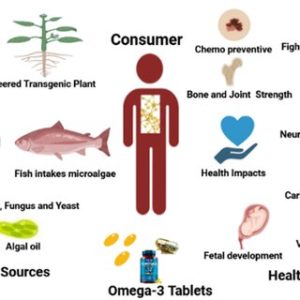

ESSENTIAL BENEFITS OF FATTY ACIDS
Essential fatty acids are vital dietary components that are necessary for preserving general health and wellbeing. The human body is unable to produce these fatty acids; instead, it must get them from diet. Omega-3 and omega-6 fatty acids are the two main types of EFAs, and each is essential to many different body processes.
Types;
1. Omega-3 fatty acids:


The key omega-3 fatty acid include alpha-linolenic acid (ALA), eicosapentaenoic acid (EPA), and docosahexaenoic acid (DHA). ALA is found in plant-based sources, while EPA and DHA are primarily found in marine sources. Omega-3s are renowned for their anti-inflammatory properties and are essential for brain function, cardiovascular health, and eye health.
2. Omega-6 Fatty Acid:
Linoleic acid (LA) and arachidonic acid (AA) are the primary omega-6 fatty acid. Omega-6s are crucial for skin health, reproductive health, and overall growth and development. They play a significant role in the inflammatory response and are vital for proper immune function.
Health Benefits;


– Heart Health:
Omega-3 fatty acid, particularly EPA and DHA, are known to reduce the risk of heart disease by lowering triglyceride levels, reducing inflammation, and improving arterial function.
– Brain Function:
DHA is a major structural component of the brain and retina, making it essential for cognitive function and vision. Adequate intake of omega-3s is associated with a lower risk of neurodegenerative diseases and improved mental health.
– Inflammation and Immunity:


Essential benefits of fatty acids
Omega-3 fatty acids have anti-inflammatory effects, which can help manage conditions like arthritis and other inflammatory disorders. Omega-6 fatty acid, while pro-inflammatory in nature, are essential for the body’s immune response and wound healing.
– Growth and Development:
EFAs are critical for the development and function of the brain and nervous system, particularly during pregnancy and early childhood.
Sources of Essential Fatty Acids;


Essential benefits of fatty acids
– Omega-3 Fatty Acid: Rich sources include fatty fish (salmon, mackerel, sardines), flaxseeds, chia seeds, walnuts, and canola oil. Fish oil and algal oil supplements are also popular sources of EPA and DHA.
– Omega-6 Fatty Acid: Common sources are vegetable oils (sunflower, safflower, corn, and soybean oils), nuts, seeds, and poultry.
Balancing Omega-3 and Omega-6 Intake;


Essential benefits of fatty acids
While both omega-3 and omega-6 fatty acids are essential, maintaining a proper balance between them is crucial. The modern diet often contains an excess of omega-6 fatty acid relative to omega-3s, which can contribute to inflammation and other health issues. Aiming for a balanced intake by increasing omega-3-rich foods and moderating omega-6 intake can help optimize health.
Summary
Essential fatty acids are essential nutrients that play important roles in maintaining health. People can support heart health, brain function, and general well-being by including a variety of foods high in omega-3 and omega-6 fats in their diet. To fully benefit from these fats, it’s important to balance them.