Health
Factitious Disorder


FACTITIOUS DISORDER
Factitious disorder. Falsifying, fabricating, and/or exaggerating symptoms of a disease that you do not actually have is known as factitious disorder inflicted on self, formerly known as Munchausen syndrome. There is no deliberate purpose or advantage to this activity. Although this issue is challenging to diagnose, treatment is accessible when you’re ready.
FACTITIOUS DISORDER
Factitious disorder imposed on self is a mental health conditions in which people purposefully fabricate or create symptoms of sickness in order to attract treatment and attention. In order to be perceived as ill and get compassion or care, these people may mimic physical symptoms or even cause them by harming themselves. They might visit several hospitals and providers for care, and they might be adept at tricking medical personnel.
Signs

feigning psychological symptoms, such as hearing voices or experiencing hallucinations.
causing bodily symptoms or making oneself sick (e.g., eating tainted food to induce vomiting or injuring a wound to impede healing).
You fabricate or exaggerate symptoms to seem ill if you have factitious condition. You might: Pretend to have symptoms that you don’t actually have.
Following test results or the start of treatment, exhibit or pretend to have new or additional symptoms.
Only exhibit symptoms when you’re by yourself.
Modify diagnostic procedures (e.g., tainting a urine sample).
Act as though you are taking medicine, but either spit it out or conceal it.
intentionally hurt oneself.
Causes
Medical professionals are unsure about the precise source of factitious disorders. According to studies, it might entail biological (your brain chemistry and genetic composition) and psychological (the aspects of your personality that affect your beliefs and behaviors) characteristics.
According to research, you may be motivated to lie to medical professionals for the following reasons:
Desiring someone else to look after your emotional or physical needs
Seeking authority and dominance over people
lowering tension related to an abandonment fear
Developing a new sense of self
Even in the absence of a known etiology, factitious disorders can arise.
Treatment

Modifying negative behaviors and minimizing the abuse or overuse of medical resources are the primary objectives of treatment for factitious disorder inflicted on oneself. Your care team will address any underlying causes of your behavior once you have achieved these goals.
Reducing harm is the primary goal of factitious disorder management. Healthcare professionals may collaborate to prevent you from receiving needless tests or treatments. If you don’t need them, a lot of medical procedures and tests can have negative side effects. Depending on your needs, your providers might collaborate closely with you to prevent damage.
Self-imposed factitious disorder can be treated using cognitive behavioral therapy, a type of psychotherapy that targets your thought and behavior patterns.
Prevention
This condition has no known preventive measures. However, you can get the best result if you start treatment as soon as you discover symptoms.
Self-imposed factitious disorders can be harmful, even fatal. You risk serious adverse effects that could impair your body’s ability to operate if you purposefully hurt yourself or take medicine for symptoms you don’t have. Additionally, undergoing pointless tests or treatments may cause more harm than benefit to your body.
Summary
You can help your loved ones hold you accountable by educating them about your situation. Telling the truth to your healthcare providers is also crucial because they want to help the “real” you and desire what’s best for you.
Get in touch with a healthcare professional if you’re considering hurting yourself. If you or a loved one are in imminent danger, call emergency authorities immediately.


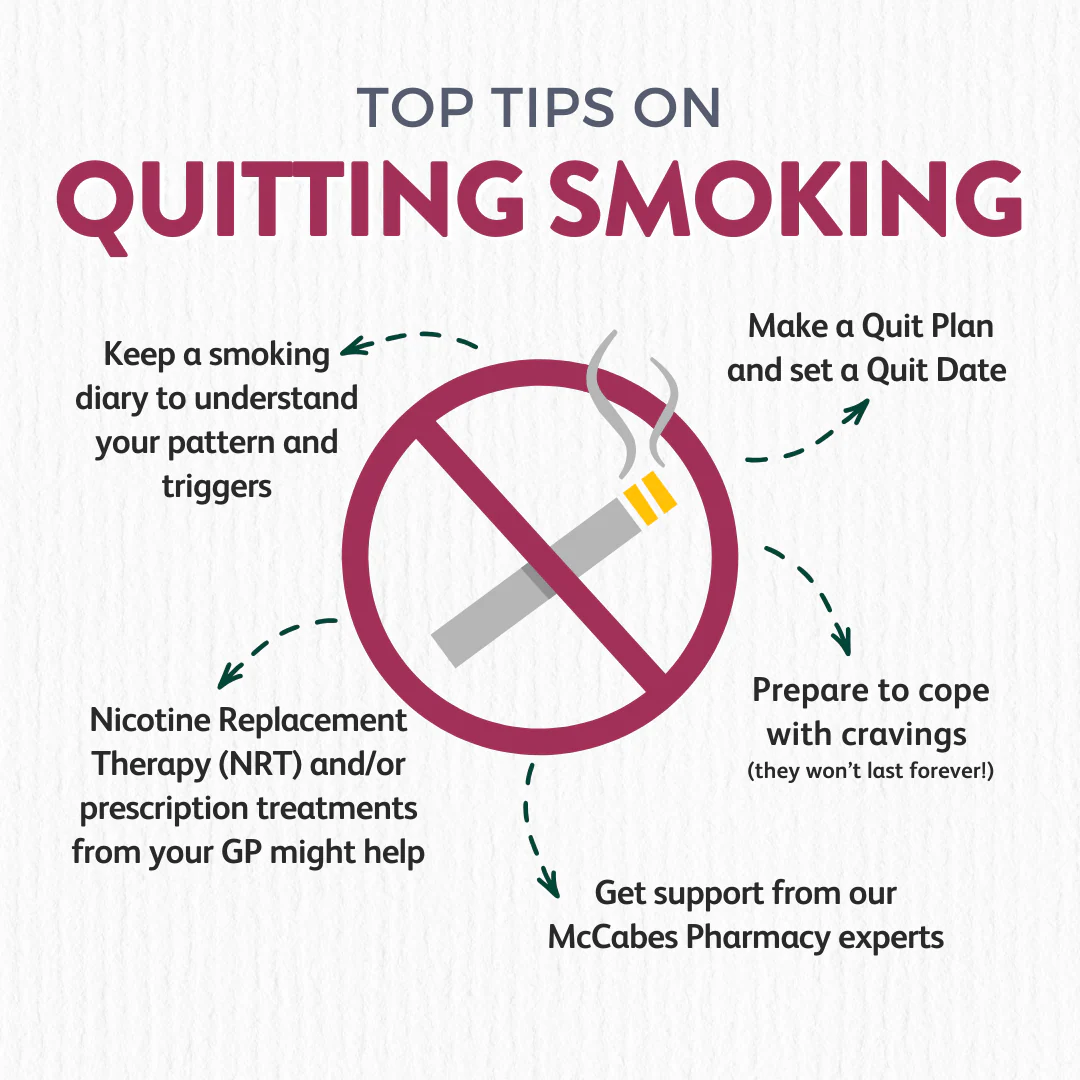
How to quit smoking. Smoking is the inhalation of smoke from burning tobacco (usually from pipes, cigars, or cigarettes), which spreads nicotine and more than 7,000 compounds throughout the body, including at least 69 recognized carcinogens. It damages almost every organ, especially the heart and lungs, and is the greatest preventable cause of death in the United States, accounting for around 480,000 deaths each year.
HOW TO QUIT SMOKING
Most tobacco users either want to smoke or have strong cravings for tobacco goods. But you can fight these urges. When you have a strong want to use tobacco, keep in mind that the need will likely go away in five to ten minutes, regardless of whether you indulge in a cigarette or a chewing tobacco dip. Every time you overcome a desire to smoke, you get one step closer to giving up tobacco use permanently.
1. Consider utilizing nicotine replacement;
Inquire with your physician about nicotine replacement treatment. The available choices consist of Prescription nicotine in the form of an inhaler or nasal spray Over-the-counter nicotine patches, gum, and lozenges Prescription non-nicotine stop-smoking medications including bupropion
2. Avoid triggers;
Desires to smoke or chew tobacco are probably stronger in the settings where you used to smoke or chew tobacco, like bars or parties, or during stressful moments while you’re drinking coffee. Identify your triggers and make a plan to either avoid or deal with them.
3. Delay;

Tell yourself to hold off on giving in to your urge for tobacco if you feel like you need to wait ten minutes. Then, throughout that period, engage in some self-distraction.
4. Chew on it;
To help you avoid the need to smoke, give your mouth something to do. Enjoy chewing gum or hard candy. Alternatively, nibble on crunchy and delicious raw carrots, almonds, or sunflower seeds.
5. Don’t have ‘just one’;

How to quit smoking
If you feel a yearning for tobacco, you could be tempted to have just one cigarette. However, do not deceive yourself into believing that you should end there. Having one almost often results in having more. Additionally, you might start smoking again.
6. Get physical;
Engaging in physical activity can assist you in avoiding smoke cravings. A few quick movements, like rushing up and down the stairs, will help quell an urge for tobacco. Take a jog or a stroll outside.
7. Try relaxation techniques;

How to quit smoking
You might have used smoking as a stress-reduction strategy. It might be stressful to combat a tobacco urge on its own. Try these relaxation techniques to help you de-stress, like deep breathing, yoga, massage, muscular relaxation, visualization, and relaxing music.
Summary
Setting a specified “Quit Day,” using nicotine replacement therapies (patches, gum, lozenges) or prescription drugs (bupropion, varenicline), and altering daily routines to avoid triggers are the best ways to stop smoking. Cravings can be controlled with the support of friends, therapy, and methods like the “4 Ds” (Delay, Deep Breathe, Drink Water, Do Something Else).

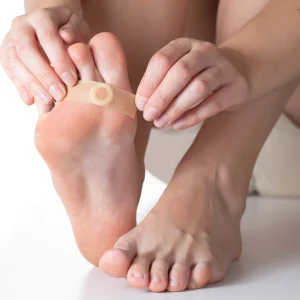
Calluses causes. Usually on the hands or feet, calluses are thickened, hardened, and frequently painless patches of skin brought on by constant pressure or friction, such as from wearing poorly fitted shoes, going barefoot, or using tools. Skin that is flaky, dry, or rough can be treated by soaking, lightly filing with a pumice stone, and wearing appropriate footwear. While consequences are uncommon but can include infection, particularly in people with diabetes or poor circulation, risk factors include wearing shoes that are excessively thin or going barefoot.
CALLUSES CAUSES
By decreasing friction and pressure on the skin through the use of orthotics, moisturizer, and well-fitting, cushioned shoes, calluses can be avoided. Wearing gloves when performing hard labor, utilizing pads (moleskin) to protect sensitive regions, and switching up footwear every day are important tactics. Additionally, regular, mild exfoliation with a pumice stone aids in preventing accumulation.
Causes of it;

Calluses often develop on the hands and feet, as these areas are most exposed to repetitive activities. Common causes include:
– Wearing tight or ill-fitting shoes.
– Walking barefoot or in high heels.
– Manual labor or activities like gardening, weightlifting, or playing musical instruments.
How to Prevent;

CALLUSES CAUSES
Prevention is key to avoiding discomfort. Here are some tips:
– Wear Proper Footwear: Ensure shoes fit well and provide adequate cushioning.
– Use Gloves: Protect your hands during activities that involve gripping tools or equipment.
– Moisturize Regularly: Keep your skin hydrated to prevent dryness and cracking.
Caring for Calluses;
CALLUSES CAUSES
If you already have calluses, these steps can help:
– Soak and Exfoliate: Soak the affected area in warm water to soften the skin, then gently scrub with a pumice stone.
– Apply Moisturizers: Use lotions containing urea or salicylic acid to soften the skin.
– Avoid Cutting: Do not attempt to cut or pick at calluses, as this can lead to infection.

CALLUSES CAUSES
If a callus becomes painful or shows signs of infection, consult a healthcare provider for treatment.
With proper care and attention, you can manage calluses and keep your skin healthy.
Summary
Thickened patches of skin known as calluses develop naturally as a result of constant pressure, friction, or discomfort. Although they are usually not dangerous, if addressed, they can be unpleasant and ugly.
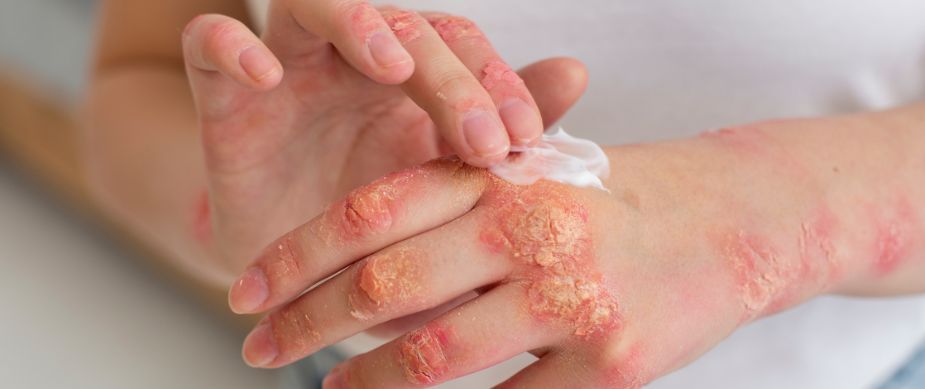
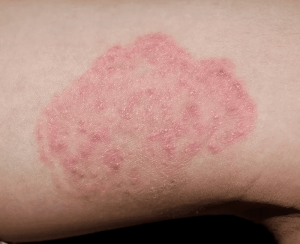
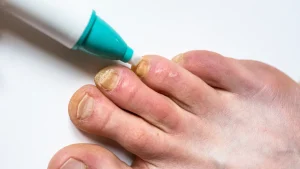
Signs of Fungal infections. Mycosis, another name for fungal infection, is a condition brought on by fungi. Traditionally, different varieties are classified as superficial, subcutaneous, or systemic based on the bodily portion that is impacted. Yeast infections like pityriasis versicolor and common tinea of the skin, including tinea of the body, groin, hands, feet, and beard, are examples of superficial fungal diseases. Eumycetoma and chromoblastomycosis are examples of subcutaneous kinds that typically affect tissues in and beneath the skin.
SIGNS OF FUNGAL INFECTIONS
Common skin problems known as fungal infections are brought on by fungi that prefer warm, humid settings. The skin, nails, and even internal organs can all be impacted by these illnesses. Yeast infections, ringworm, and athlete’s foot are typical occurrences.Cryptococcosis, histoplasmosis, pneumocystis pneumonia, aspergillosis, and mucormycosis are examples of more dangerous systemic fungal infections. There is a wide range of signs and symptoms.
Why Are Fungal Infections Important to Address?
1. Contagious Nature:
SIGNS OF FUNGAL INFECTIONS
Many fungal infection, such as ringworm and athlete’s foot, are highly contagious and can spread through direct contact or contaminated surfaces. Prompt treatment helps prevent spreading to others.
2. Discomfort and Irritation:

SIGNS OF FUNGAL INFECTIONS
Fungal infection often cause uncomfortable symptoms like itching, redness, and flaking. Addressing them quickly reduces discomfort and prevents the condition from worsening.
3. Potential Complications:
If left untreated, some fungal infection can lead to more severe complications, including deeper skin infection and damage to the affected area.
Prevention and Treatment of fungal infections;
SIGNS OF FUNGAL INFECTIONS
Practicing good hygiene, keeping skin dry, and using antifungal creams or medications are key to managing and preventing fungal infection. Seeking early treatment from a healthcare provider ensures effective recovery and reduces the risk of spreading.
Summary
Maintaining healthy skin and general wellbeing can be facilitated by being aware of fungal infections and taking preventative action. Although fungi are present everywhere, only a few of them can cause illness. Spores can enter the body through the skin, such as by an injection, cut, or wound, or they can be inhaled. People with weakened immune systems are more likely to experience it. This includes those suffering from diseases like HIV/AIDS and those using medications like steroids or cancer therapies.

Cold Weather Coping Mechanisms

How to Quit Smoking

Life Stages

A Step-by-Step Guide to Deleting Reels on Instagram

How to Create a WhatsApp Group