Grain
Farro Grains

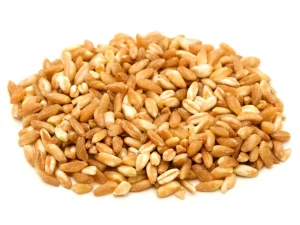

FARRO GRAINS
Three different types of wheat (spelt, emmer, and einkorn) can be referred to by the term “farro.” For thousands of years, it has been grown. The Fertile Crescent is said to be the origin of this ancient grain. It was a mainstay in the diets of ancient societies like the Romans and Egyptians. It is a popular option in modern kitchens due to its historical history, nutritional advantages, and numerous culinary uses.
Nutritional Benefits;

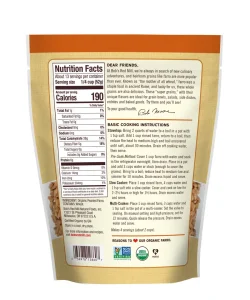
FARRO GRAINS
Farro is celebrated not only for its ancient lineage but also for its impressive nutritional profile. This whole grain is high in fiber, which aids in digestion and helps maintain a healthy weight. It is also a good source of protein, making it an excellent addition to vegetarian and vegan diets. Farro is rich in vitamins and minerals, including magnesium, zinc, and B vitamins, which are essential for energy production and overall health.
Culinary Uses;

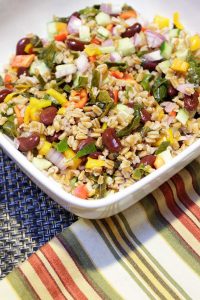
FARRO GRAINS
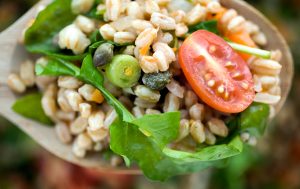
However, one of the reasons for farro’s resurgence in popularity is its versatility in the kitchen. Farro has a nutty flavor and a chewy texture, which makes it a delightful addition to a variety of dishes. It can be used as a base for salads, soups, and stews, providing a hearty and nutritious component. Farro can also be cooked and served as a side dish, similar to rice or quinoa, or incorporated into baked goods for an added nutritional boost.
Cooking Farro;
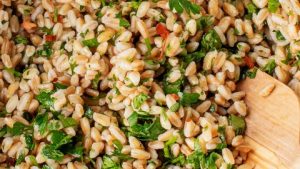

Although, cooking farro is straightforward and similar to cooking other grains. It typically requires a ratio of one part farro to two parts water. After rinsing, it can be boiled and simmered for about 25-40 minutes, depending on the specific type of farro and the desired texture. Pre-soaking farro can reduce the cooking time.
Sustainable and Resilient;

FARRO GRAINS
Also, farros are not only beneficial for our health but also for the environment. It is a hardy grain that can grow in poor soil conditions and requires less water than modern wheat varieties. Making it a sustainable crop choice. Its resilience to harsh climates and pests reduces the need for chemical fertilizers and pesticides. Contributing to more sustainable agricultural practices.
Summary
Hence, known for its nutty flavor, chewy texture, and high fiber, protein, magnesium, and B vitamin content, farro is an ancient, nutrient-dense whole grain from the wheat family that is popular in Mediterranean cuisine and excellent for meal preparation. It can be used as a healthy alternative to rice or pasta in salads, soups, stups, and side dishes.