
Grain
Farro Grains

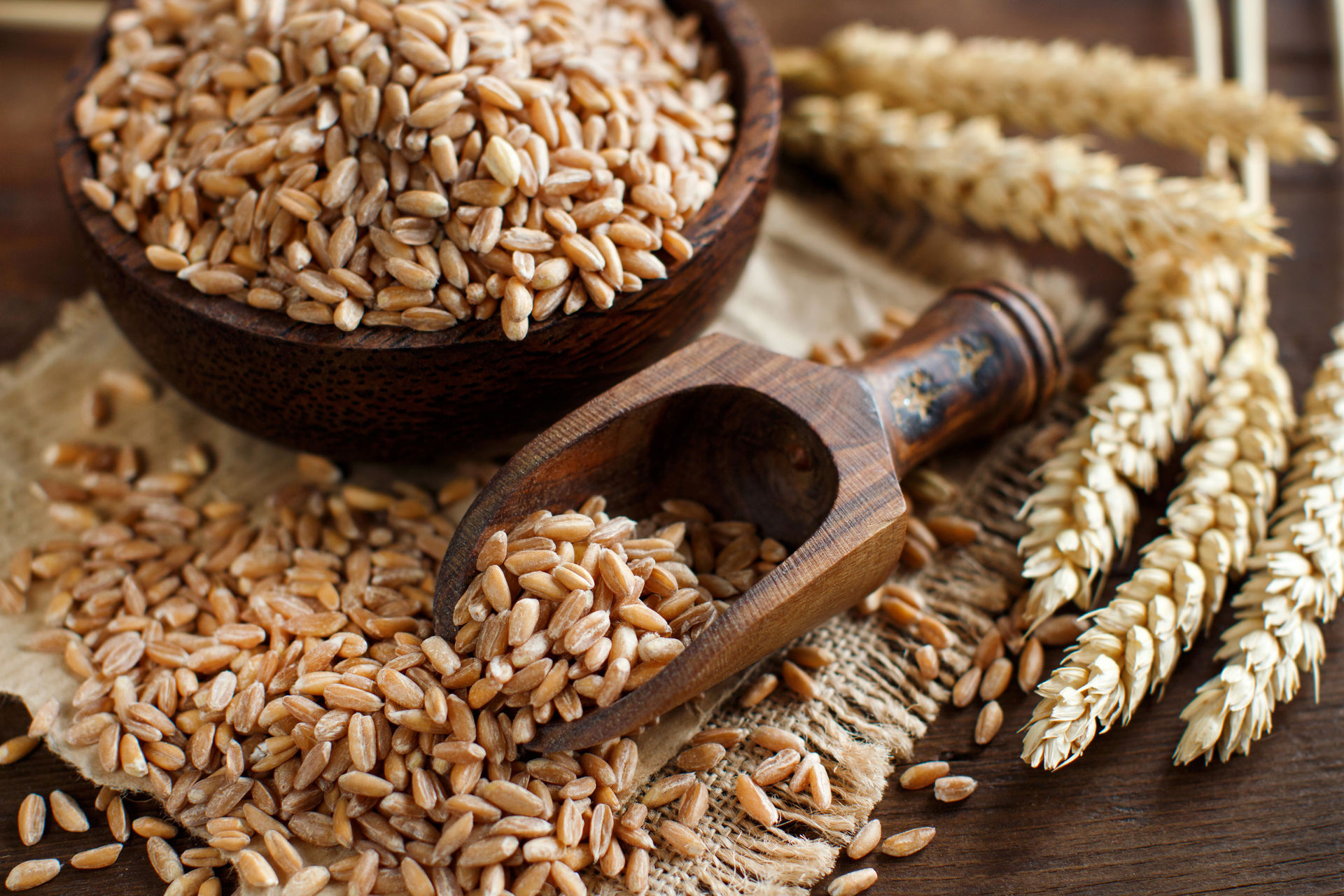
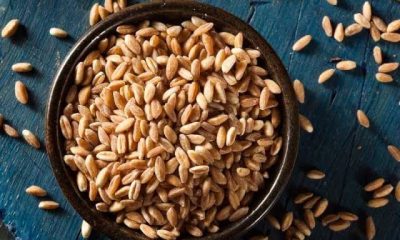
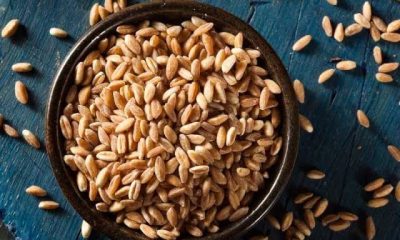
 Farro grains. This is a grain worth including in contemporary diets because of its ancient origins and nutritional advantages. Its attractiveness is increased by its environmental friendliness and adaptability in the kitchen. Look for a healthy substitute for contemporary wheat if you want to vary your grain intake. Farro is a grain that excels in every way, whether you choose to experiment with different ingredients or not.
FARRO GRAINS
Three different types of wheat (spelt, emmer, and einkorn) can be referred to by the term “farro.” For thousands of years, it has been grown. The Fertile Crescent is said to be the origin of this ancient grain. It was a mainstay in the diets of ancient societies like the Romans and Egyptians. It is a popular option in modern kitchens due to its historical history, nutritional advantages, and numerous culinary uses.
Nutritional Benefits;
FARRO GRAINS
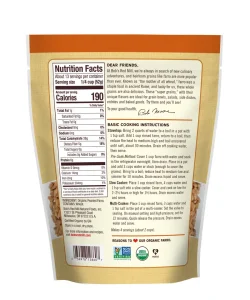
Farro is celebrated not only for its ancient lineage but also for its impressive nutritional profile. This whole grain is high in fiber, which aids in digestion and helps maintain a healthy weight. It is also a good source of protein, making it an excellent addition to vegetarian and vegan diets. Farro is rich in vitamins and minerals, including magnesium, zinc, and B vitamins, which are essential for energy production and overall health.
Culinary Uses;
FARRO GRAINS
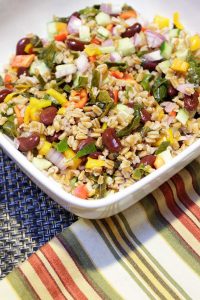
However, one of the reasons for farro’s resurgence in popularity is its versatility in the kitchen. Farro has a nutty flavor and a chewy texture, which makes it a delightful addition to a variety of dishes. It can be used as a base for salads, soups, and stews, providing a hearty and nutritious component. Farro can also be cooked and served as a side dish, similar to rice or quinoa, or incorporated into baked goods for an added nutritional boost.
Cooking Farro;
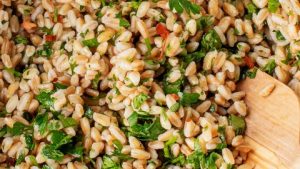
Although, cooking farro is straightforward and similar to cooking other grains. It typically requires a ratio of one part farro to two parts water. After rinsing, it can be boiled and simmered for about 25-40 minutes, depending on the specific type of farro and the desired texture. Pre-soaking farro can reduce the cooking time.
Sustainable and Resilient;
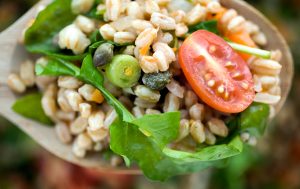
FARRO GRAINS
Also, farros are not only beneficial for our health but also for the environment. It is a hardy grain that can grow in poor soil conditions and requires less water than modern wheat varieties. Making it a sustainable crop choice. Its resilience to harsh climates and pests reduces the need for chemical fertilizers and pesticides. Contributing to more sustainable agricultural practices.
Summary
Hence, known for its nutty flavor, chewy texture, and high fiber, protein, magnesium, and B vitamin content, farro is an ancient, nutrient-dense whole grain from the wheat family that is popular in Mediterranean cuisine and excellent for meal preparation. It can be used as a healthy alternative to rice or pasta in salads, soups, stups, and side dishes.








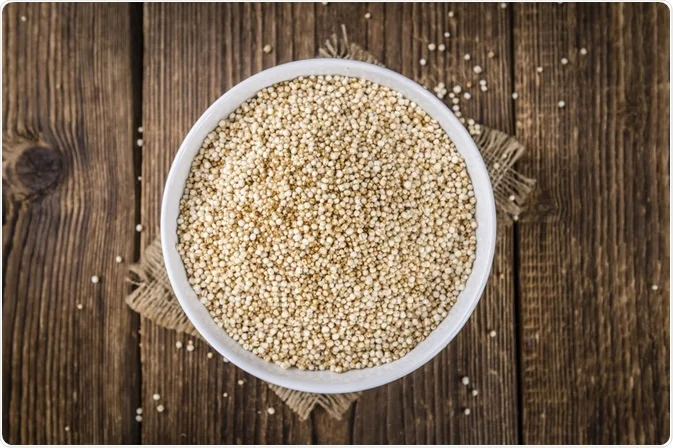
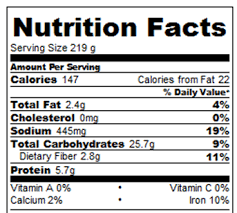
Nutritional value of quinoa. It is a useful complement to current diets because of its ancient roots and contemporary appeal. Its significance as a superfood is highlighted by its strong nutritional profile, culinary versatility, and environmental advantages. Quinoa is a flexible and beneficial alternative that may improve any meal, whether you want to increase your protein consumption, look into gluten-free options, or just enjoy new flavors.
NUTRITIONAL VALUE OF QUINOA
Quinoa is a very nutrient-dense food that is high in fiber, complete protein, and important minerals including phosphorus, manganese, and magnesium. In addition to essential B vitamins, iron, and zinc, a single cup of cooked quinoa contains roughly 222 calories, 8 grams of protein, and 5 grams of fiber. It is a flexible and healthful dietary staple because it is naturally gluten-free and a strong source of antioxidants.
Nutritional Excellence;
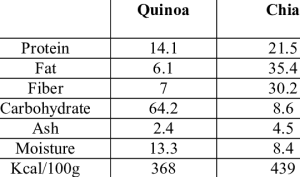
nutritional value of quinoa
Quinoa as a superfood, is renowned for its impressive nutritional profile. It is a complete protein, containing all nine essential amino acids, which makes it an excellent protein source for vegetarians and vegans. Rich in fiber, quinoas aids in digestion and helps maintain a healthy weight by promoting a feeling of fullness. It is also packed with essential vitamins and minerals, including magnesium, iron, potassium, and B vitamins. Additionally, quinoas are gluten-free, making it a suitable option for those with celiac disease or gluten intolerance.
Culinary Versatility;
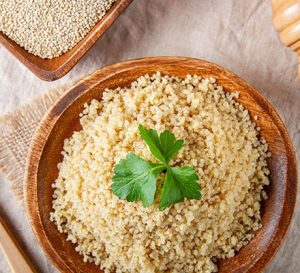
One of quinoa’s most appealing features is its versatility in the kitchen. It has a mild, nutty flavor and a slightly crunchy texture, which makes it a perfect addition to a variety of dishes. Quinoa can be eaten as a side dish or as a foundation for soups, stews, and salads. It can also be added to baked dishes, desserts, and breakfast bowls. Quinoa flour is increasingly popular in gluten-free baking, offering a nutritious alternative to traditional wheat flour.
Cooking Quinoa;
Cooking quinoa is straightforward and similar to cooking rice. It typically requires a ratio of one part quinoa to two parts water. After rinsing to remove its natural coating, saponin, which can be bitter, quinoa is boiled and then simmered for about 15 minutes until the grains are tender and translucent. Fluffing it with a fork before serving enhances its texture.
Sustainable Agriculture;

nutritional value of quinoa
Quinoa is not only beneficial for our health but also for the environment. It is a hardy crop that can thrive in harsh conditions, including poor soil quality and extreme altitudes. Quinoa’s resilience reduces the need for chemical fertilizers and pesticides, making it a sustainable crop choice. Furthermore, its cultivation supports biodiversity and the livelihoods of small-scale farmers in the Andean region.
Summary
For more than 5,000 years, the Andean region of South America has grown this nutrient-rich seed. Quinoa, which the ancient Incas revered as the “mother of all grains,” has become well-known throughout the world for its remarkable health advantages and culinary adaptability.
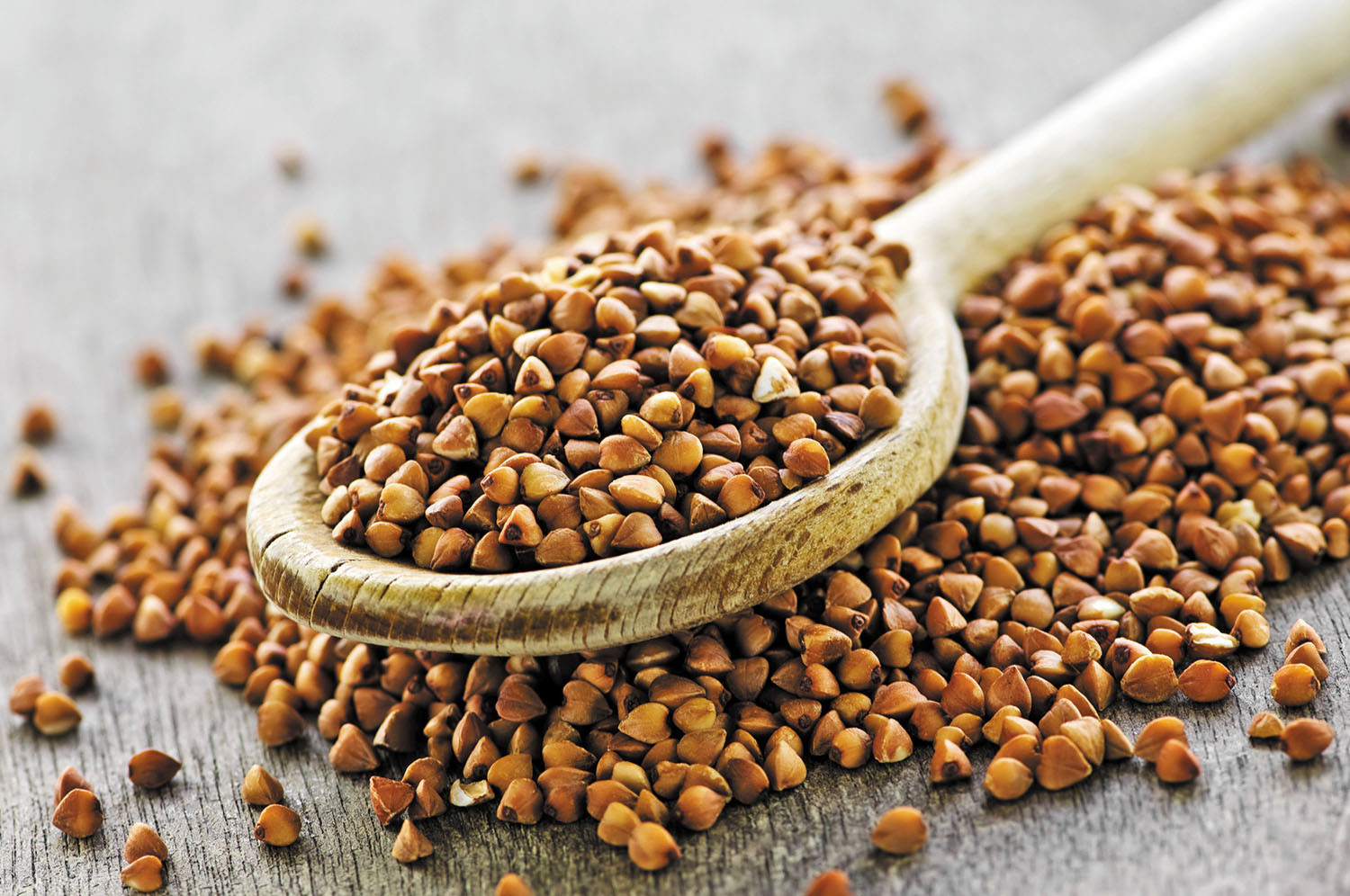
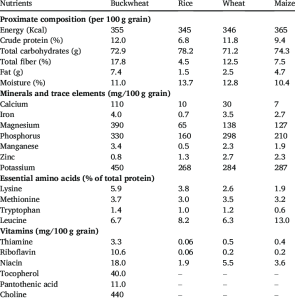
Nutritional value of buckwheat. In addition to being gluten-free and containing antioxidant flavonoids like rutin, buckwheat is a very nutritious grain that is high in protein, fiber, complex carbs, and minerals like magnesium, manganese, phosphorus, and zinc. Because it contains less fat and provides high-quality protein, it is healthy for blood sugar regulation and heart health.
NUTRITIONAL VALUE OF BUCKWHEAT
Despite its deceptive name, buckwheat is a gluten-free, nutrient-dense seed with many culinary uses. It is a great complement to any diet due to its rich nutritional profile and environmental advantages. Buckwheats provide a tasty and nutritious substitute for traditional grains in both traditional and contemporary cuisines.
Nutritional Benefits;
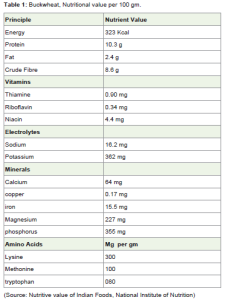
Buckwheats, true grain. are celebrated for its impressive nutritional profile. It is naturally gluten-free, making it an excellent option for those with celiac disease or gluten sensitivity. Buckwheat is a complete protein, containing all nine essential amino acids, which are vital for muscle repair and overall health. Additionally, it is high in fiber, promoting digestive health and helping regulate blood sugar levels. Buckwheat is also rich in antioxidants, such as rutin and quercetin, which have anti-inflammatory and heart-protective properties. It provides essential vitamins and minerals, including magnesium, manganese, and B vitamins.
Culinary Uses;
Nutritional value of buckwheat
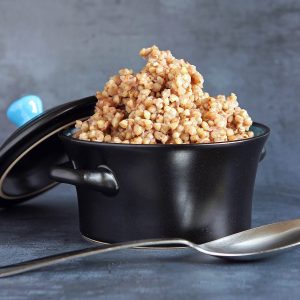
In the kitchen, buckwheats are incredibly versatile. Its robust, nutty flavor and slightly chewy texture make it a favorite ingredient in various dishes. Buckwheat flour is widely used in gluten-free baking, perfect for making pancakes, crepes, and noodles like Japanese soba. Whole buckwheat groats can be cooked and used as a base for salads, porridge, or side dishes, much like rice or quinoa. Roasted buckwheat groats, known as kasha, are popular in Eastern European cuisine and are often served with vegetables or meat.
Cooking with Buckwheat;
Nutritional value of buckwheat
Cooking buckwheats groats is simple. They require rinsing and boiling in water or broth, typically in a ratio of one part buckwheat to two parts liquid. They can be cooked to a soft consistency for porridge or left slightly firm for salads and side dishes. Buckwheat flour, due to its lack of gluten, is best used in combination with other flours in baking to achieve the desired texture.
Environmental Benefits;
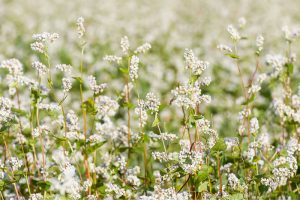
Buckwheat is not only beneficial for human health but also for the environment. It is a hardy crop that can grow in poor soil conditions and requires minimal use of pesticides and fertilizers. Its rapid growth helps suppress weeds, reducing the need for herbicides. Buckwheats also attracts pollinators, such as bees, contributing to biodiversity and healthy ecosystems.
Summary
buckwheat is unrelated to wheat. It is actually a seed from the pseudocereal plant Fagopyrum esculentum. Buckwheat has been a staple in many civilizations around the world for more than 8,000 years. It is valued for its culinary diversity and nutritional advantages.

Oats nutritional value. With many health advantages and culinary uses, oats are a nutritious powerhouse. They are a great complement to any diet because of their high fiber content, vital vitamins and minerals, and adaptability in the kitchen. either added to baked items or consumed as a warm bowl of oatmeal. Oats are a tasty and beneficial choice for upholding a balanced and nourishing lifestyle when utilized in savory recipes.
OATS NUTRITIONAL VALUE
In addition to being high in protein, fiber, and carbs, oats are also a strong source of several B vitamins and important minerals including zinc, phosphorus, and magnesium. Unique substances including avenanthramides, which are strong antioxidants, and beta-glucan, a soluble fiber that lowers cholesterol and controls blood sugar, are part of their nutritional composition.
Nutritional Benefits;
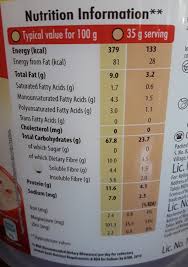
Oats are celebrated for their impressive nutritional profile. They are an excellent source of dietary fiber, particularly beta-glucan, which is known for its cholesterol-lowering properties. Regular consumption of oats can help reduce the risk of heart disease by lowering bad cholesterol levels and improving overall cardiovascular health. Oats are also rich in essential vitamins and minerals, including manganese, phosphorus, magnesium, and B vitamins. Additionally, oat provide a good amount of protein and are a low-glycemic food, making them beneficial for blood sugar control and sustained energy release.
Types of Oats;
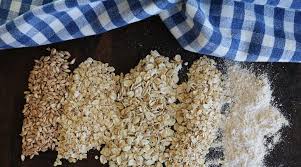
There are several types of oats available, each varying in texture and cooking time:
– Steel-Cut Oat:
These are whole oat groats that have been chopped into pieces. They have a chewy texture and a longer cooking time.
– Rolled Oat:
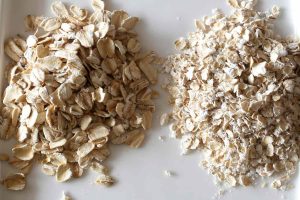
Also known as old-fashioned oats, these are steamed and rolled flat, making them quicker to cook than steel-cut oats while retaining a good texture.
– Instant Oats:
OATS NUTRITIONAL VALUE
These are pre-cooked, dried, and rolled thin, resulting in the fastest cooking time but often a mushier texture.
– Oat Flour:
Made by grinding whole oats, oat flour is used in baking and cooking as a gluten-free alternative to wheat flour.
Culinary Uses;
OATS NUTRITIONAL VALUE
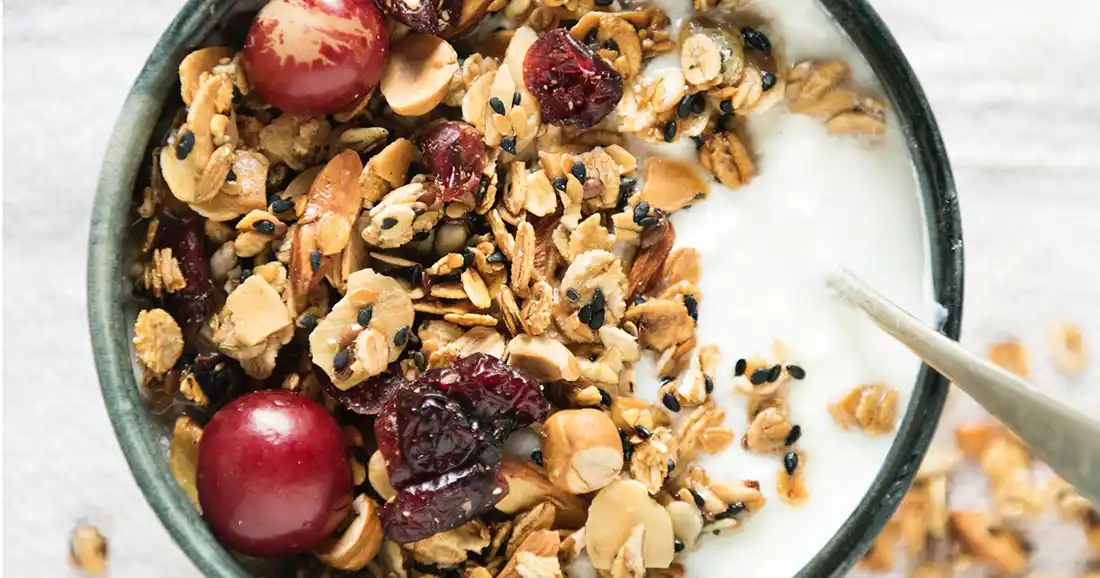
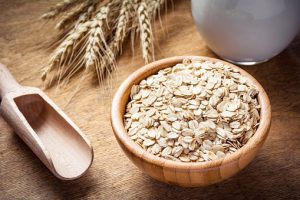
Oats are incredibly versatile in the kitchen. They are most commonly enjoyed as oatmeal. A warm and comforting breakfast dish that can be customized with various toppings such as fruits, nuts, and spices. Oat can also be used in baking, adding texture and nutrition to cookies, muffins, and bread. Oat flour is a popular ingredient in gluten-free recipes, providing a tender crumb and subtle flavor. Additionally, oat can be incorporated into smoothies, granola, and savory dishes like meatloaf or veggie burgers.
Health Benefits;
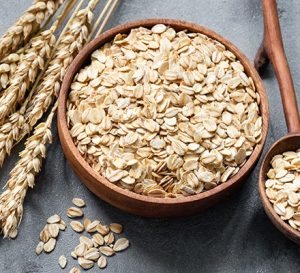
In addition to their heart-healthy properties, oat offer numerous other health benefits. The high fiber content aids in digestion and promotes a feeling of fullness. Which can support weight management. Oat also have anti-inflammatory and antioxidant properties, thanks to compounds like avenanthramides, which can help reduce chronic inflammation and support overall health. Furthermore, oats are naturally gluten-free, making them a safe choice for individuals with celiac disease or gluten sensitivity. Provided they are processed in a gluten-free facility to avoid cross-contamination.
Summary
Avena sativa, the technical name for oats, is one of the most widely consumed and nutrient-dense whole grains in the world. Oats are valued for their health advantages, adaptability, and comforting flavor. They originated in ancient civilizations and have since changed from being mostly used as livestock feed to becoming a staple food in many homes.

Exam success tips for waec

Tips for jamb success

Plastic water bottle hazards

A Step-by-Step Guide to Deleting Reels on Instagram

A Comprehensive Guide to Setting Up a YouTube Premiere

How to Create a WhatsApp Group
-

 Social media2 weeks ago
How to Delete Reels on IG
-

 Social media1 week ago
Tips for likes and Followers on Facebook
-

 Social media1 week ago
Guidelines for Creating a Facebook Page
-

 Photography1 week ago
Photography and Outdoors
-

 Social media1 week ago
Tips on how to Archive Instagram Post
-

 Social media2 weeks ago
Guidelines for Uploading Videos on Youtube